
INKED JOURNEY
A MODERN EXPERIENCE THROUGH THAILAND’S TRADITIONS
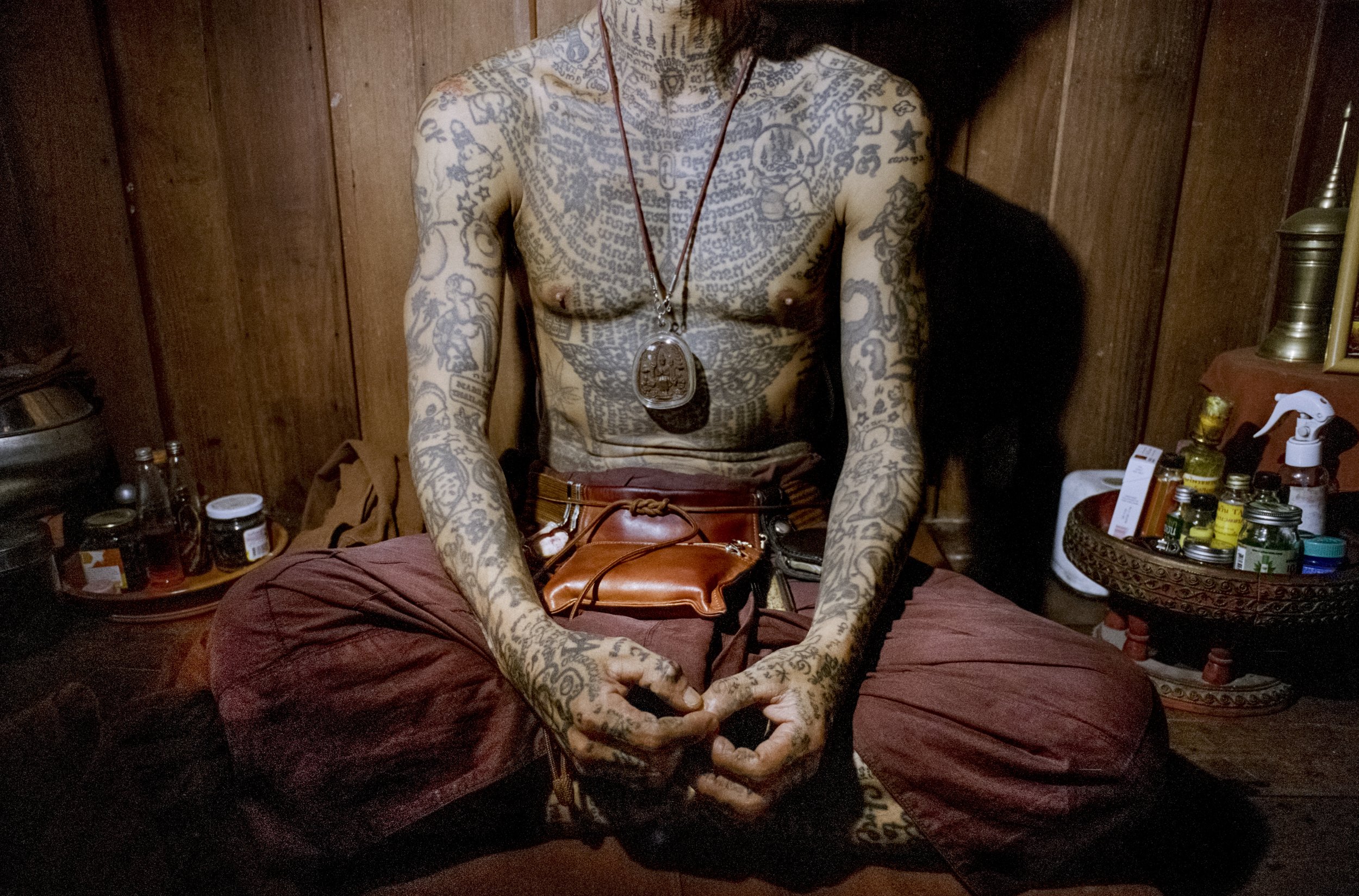
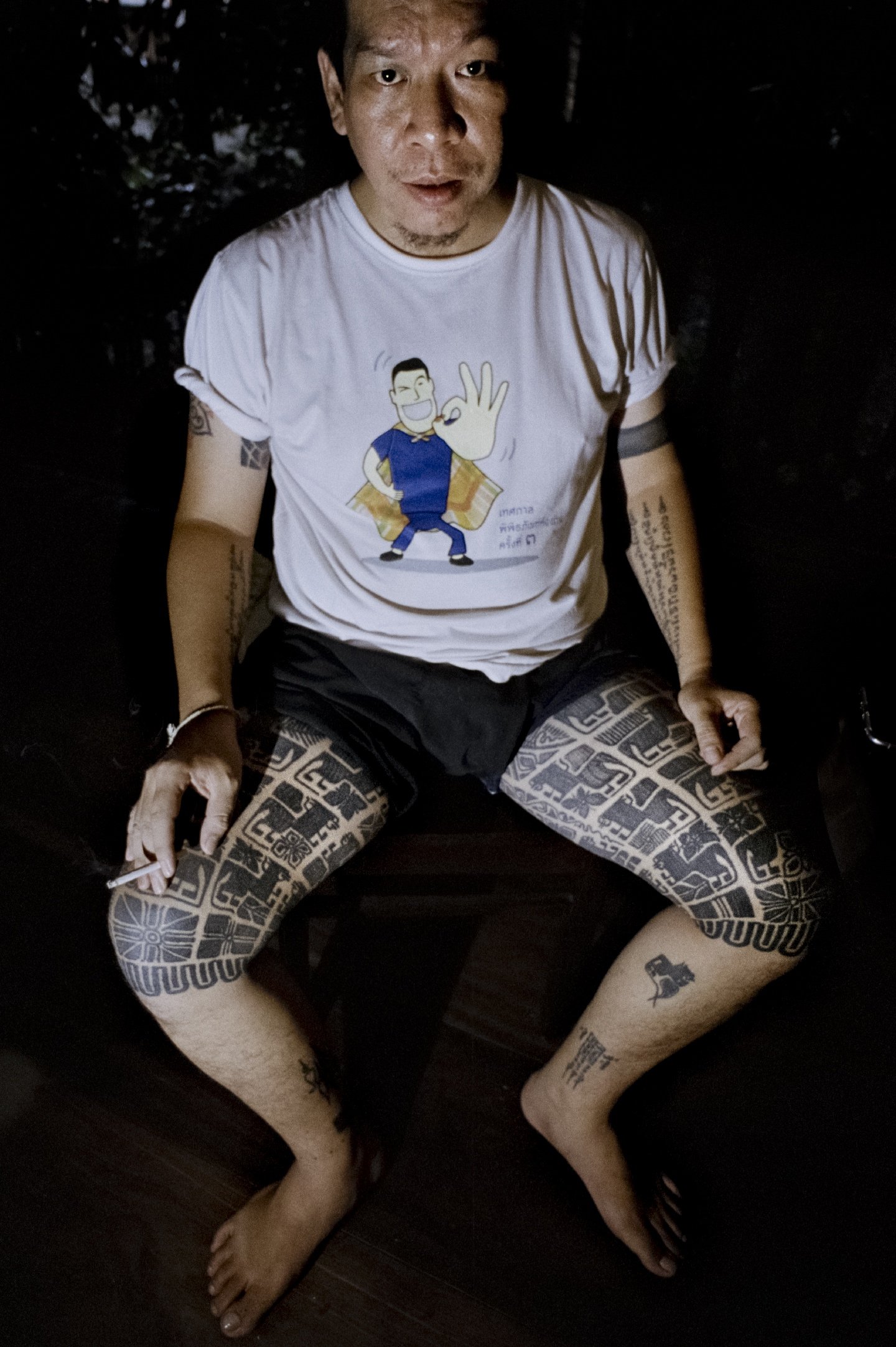
I travelled to Thailand to document traditional Sak Yant tattoos. I ended up chasing something far more elusive: the Lanna leg tattoo, a dying tradition on the verge of disappearing. Through the people who carry this practice and the communities that surround it, I found myself drawn into a world of ancient beliefs, rituals, and identities that exist far beyond the image of Thailand most of us know.
What followed was an attempt to document what remains before it fades away. Moving between intimate portraits, rituals, and everyday street scenes, this project traces the fragments of a living heritage caught between past and present. A personal record of the people, places, and encounters that make a tradition worth remembering, and a world that may not look the same for much longer.

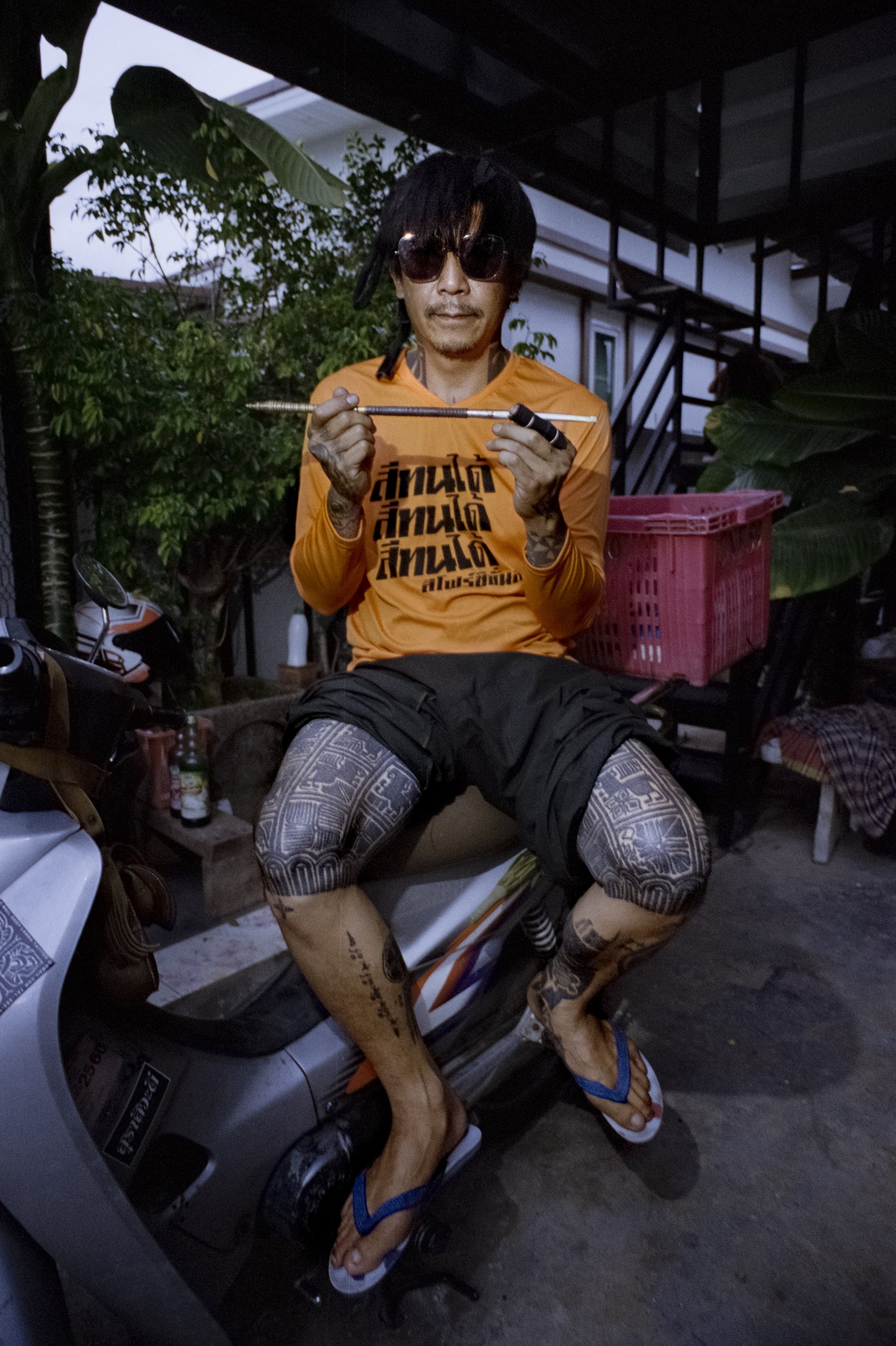

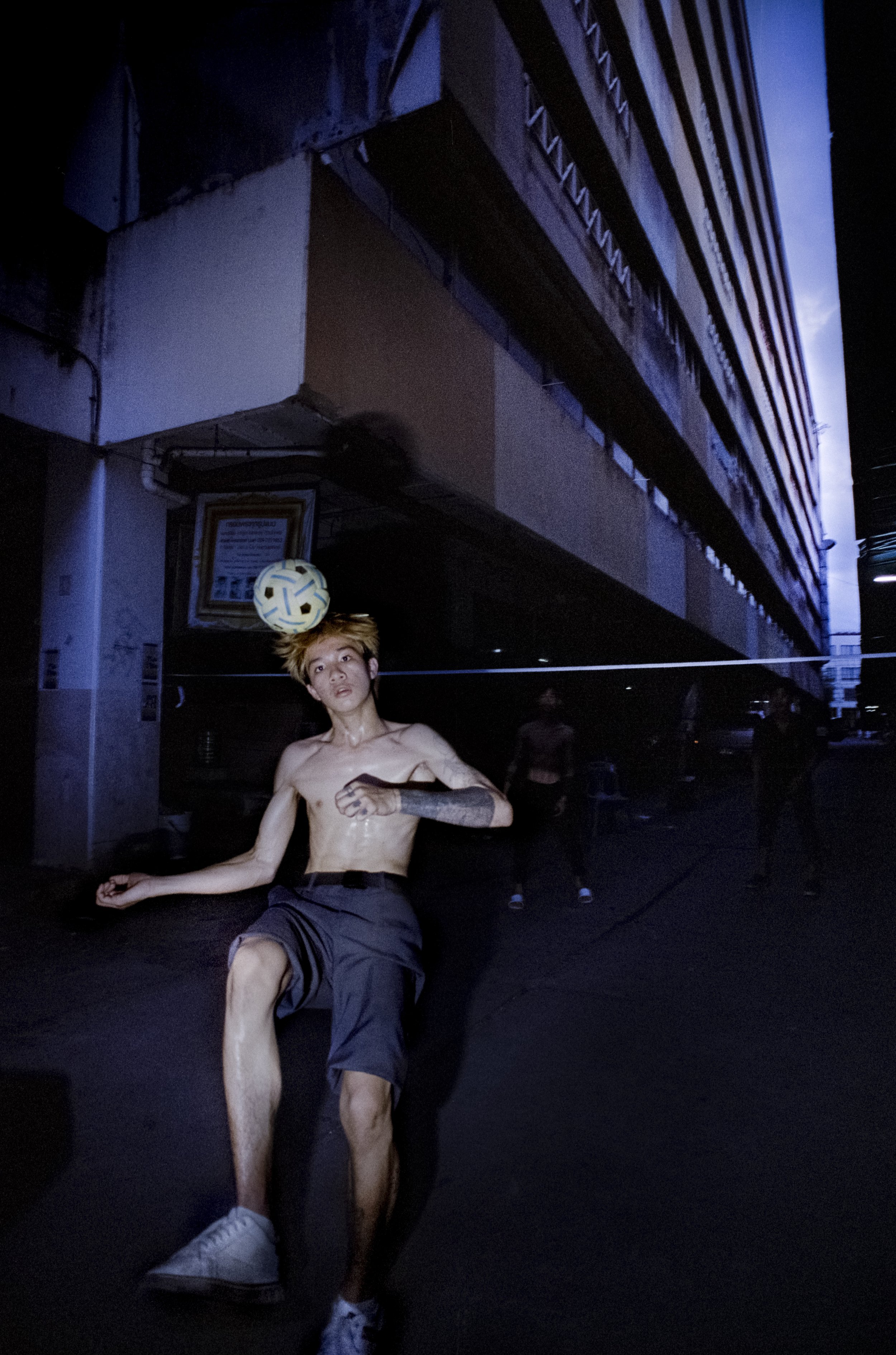
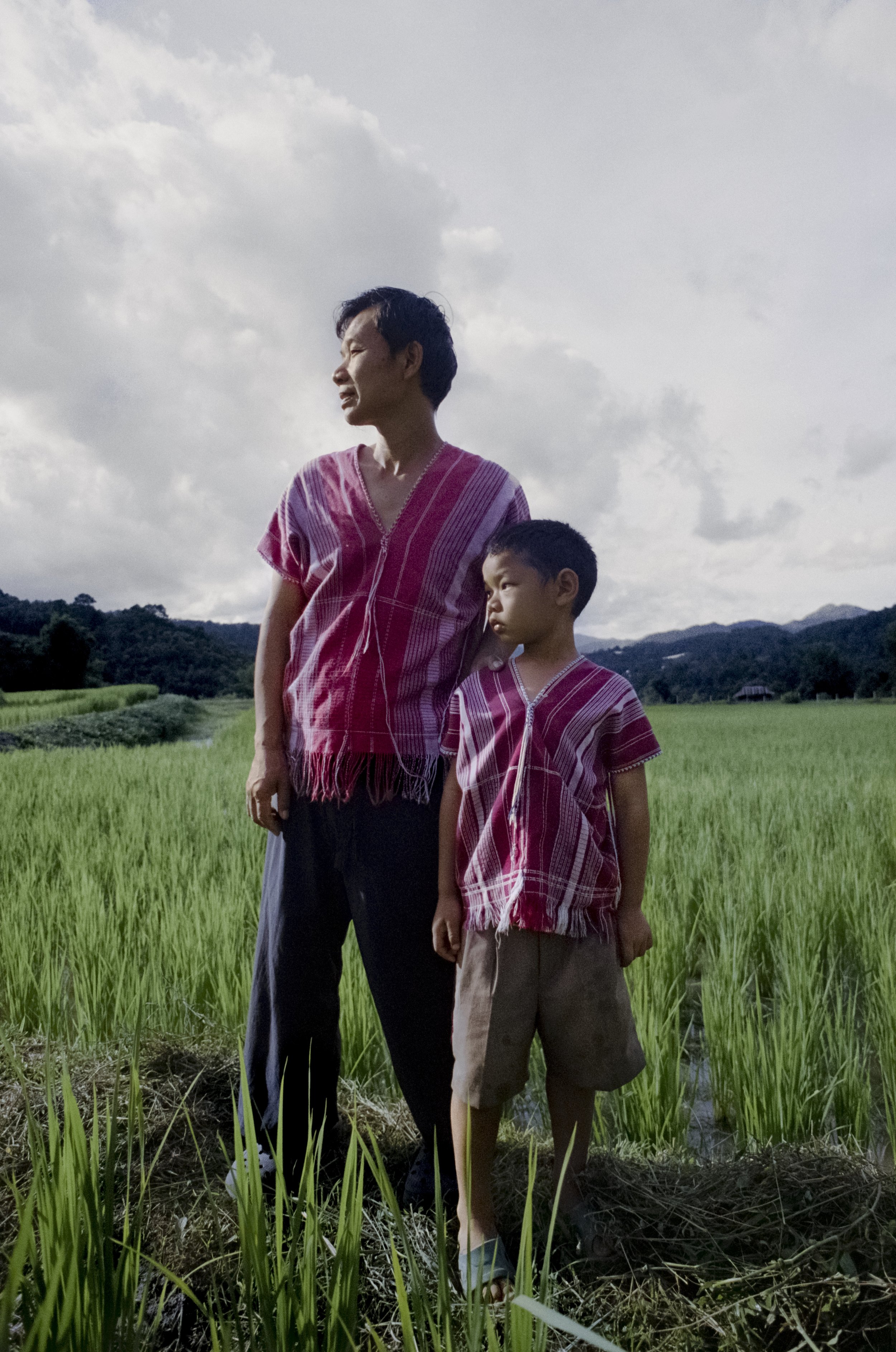
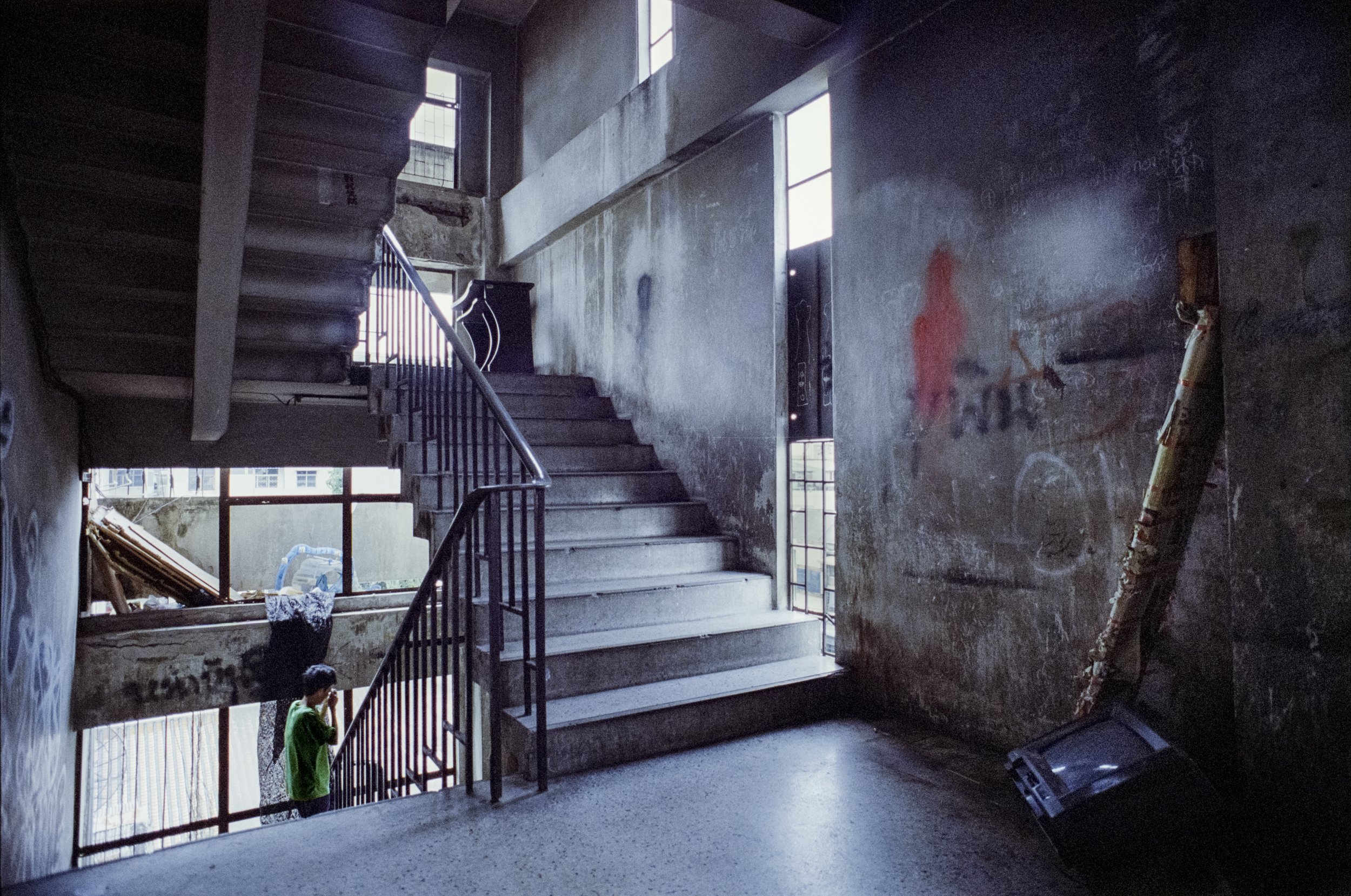

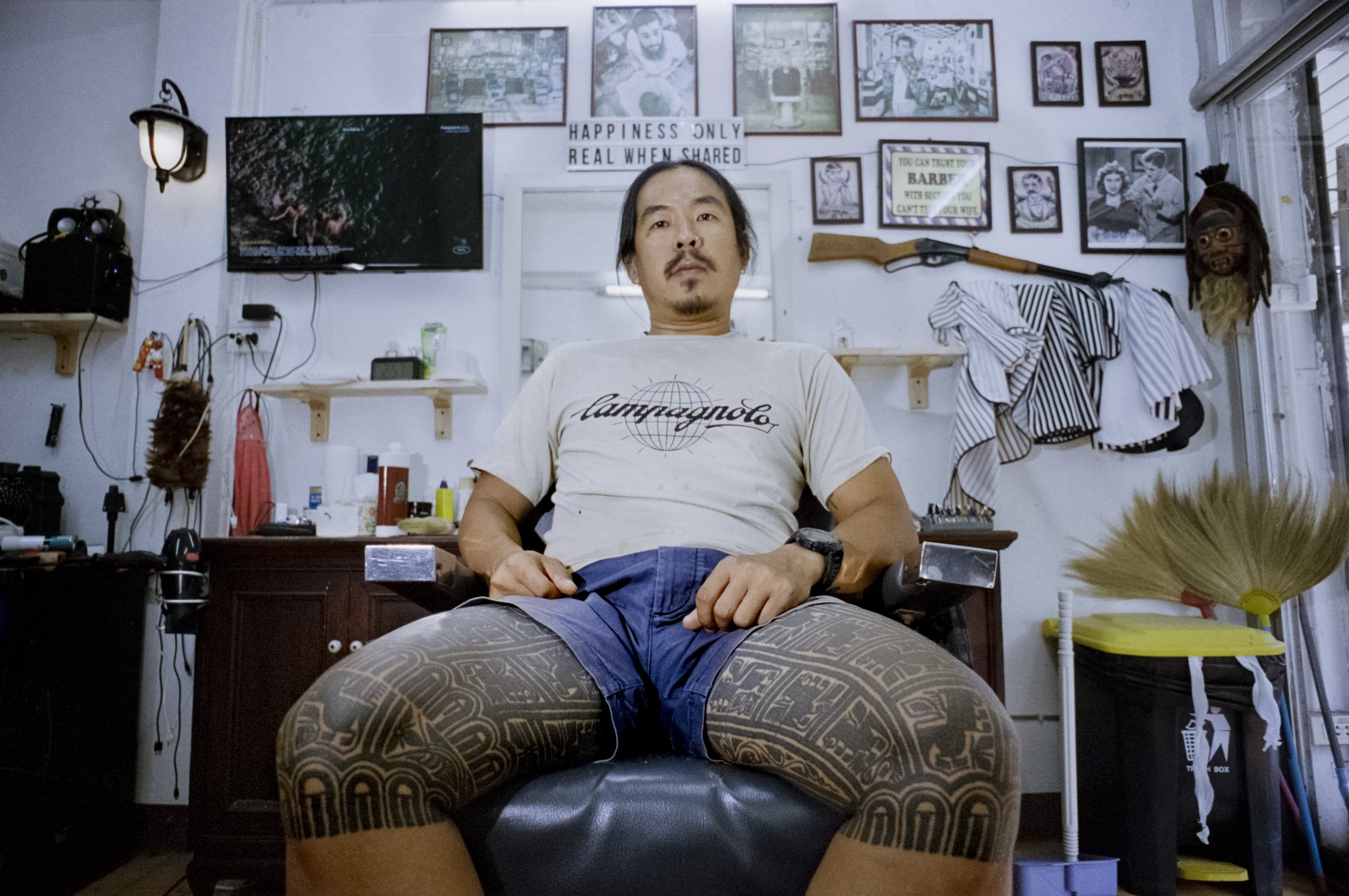
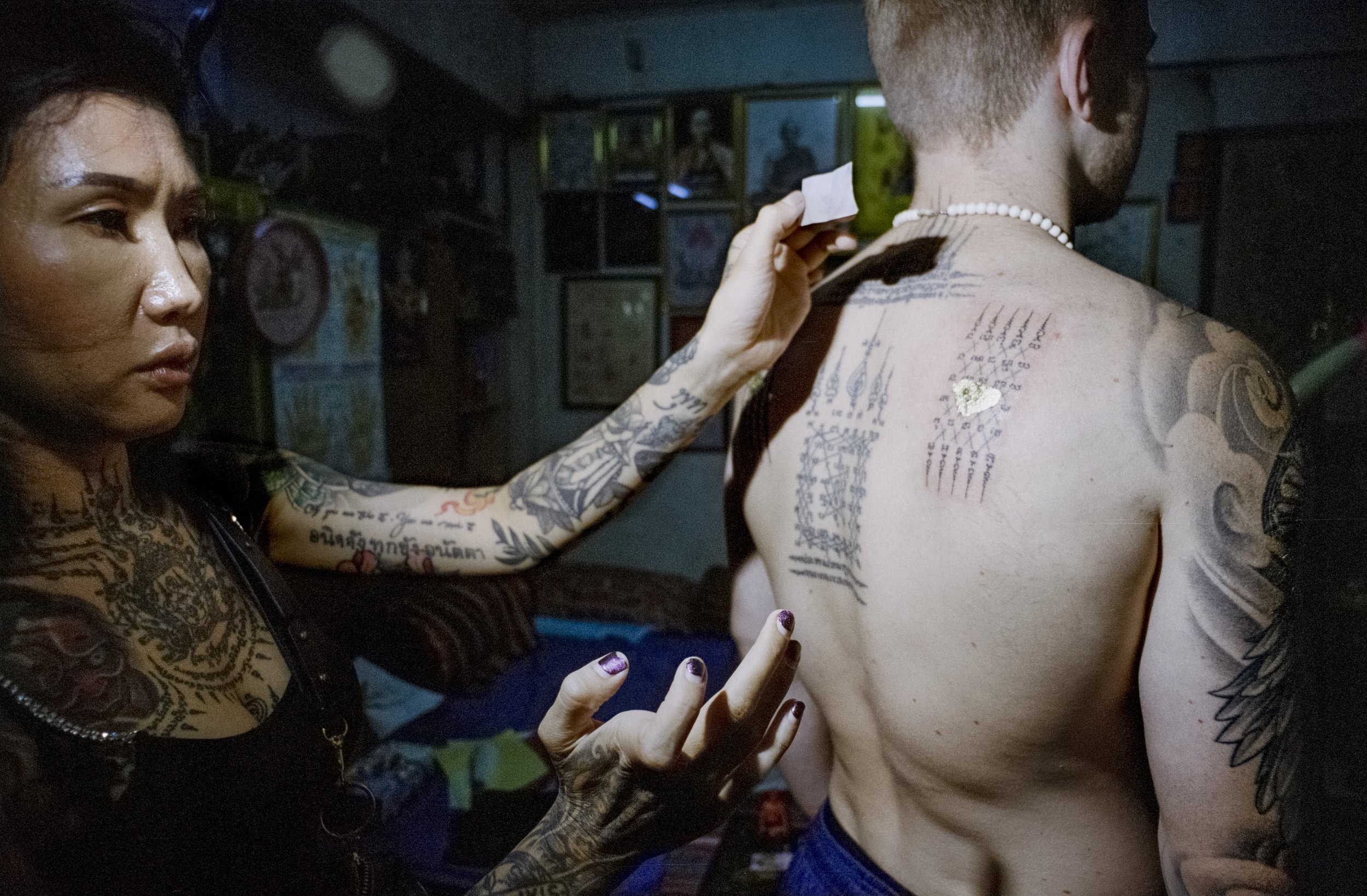
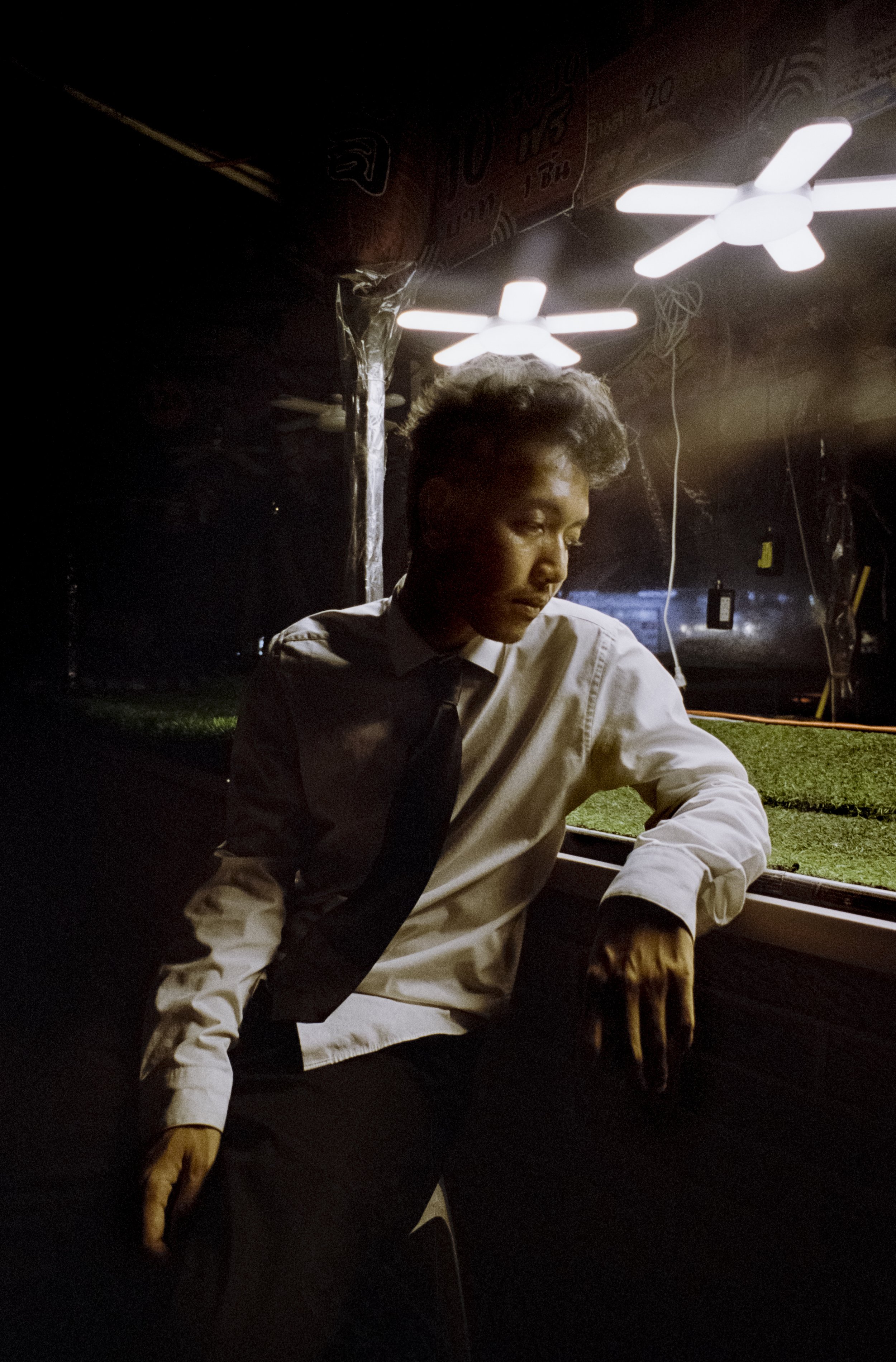
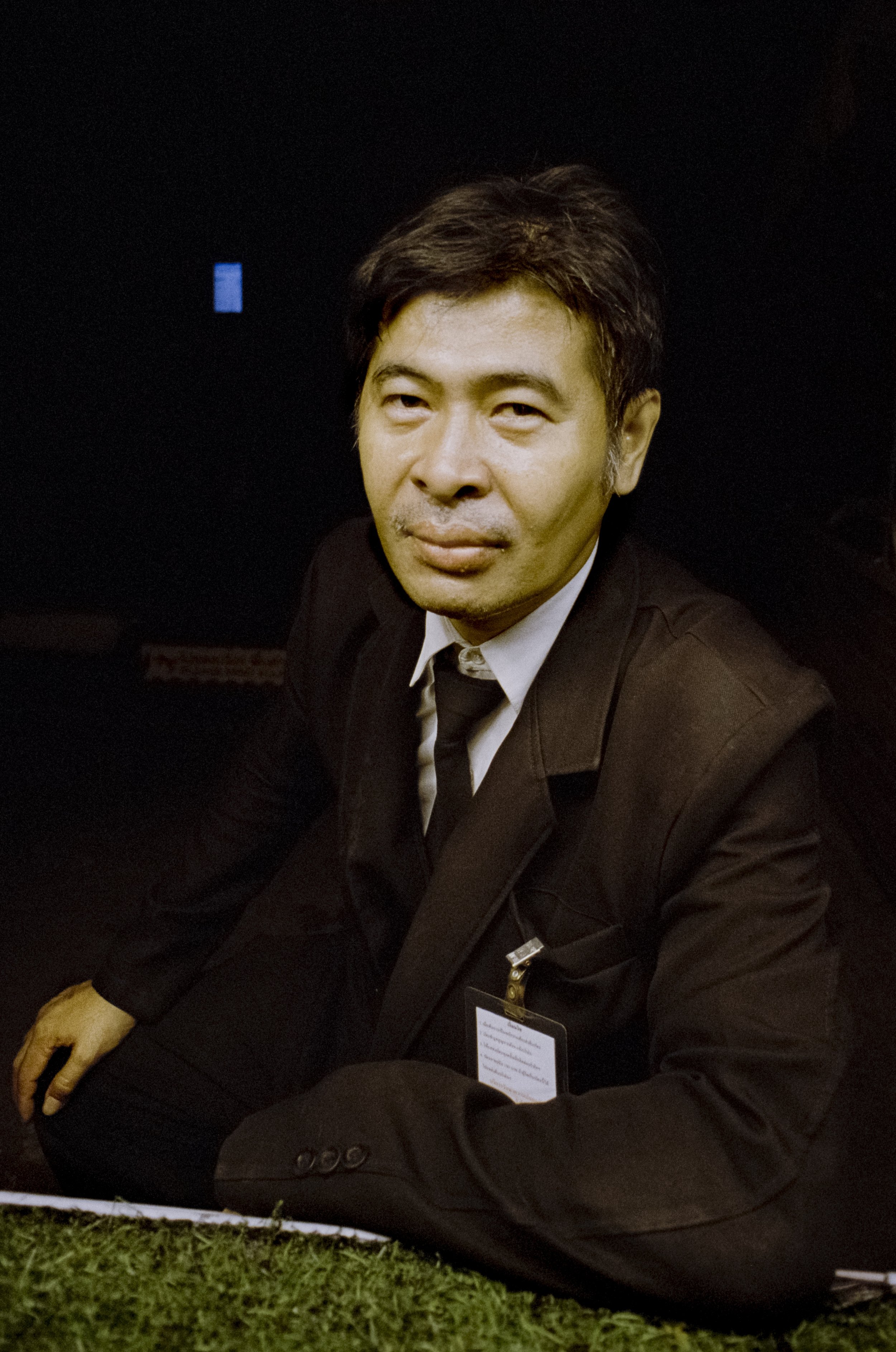
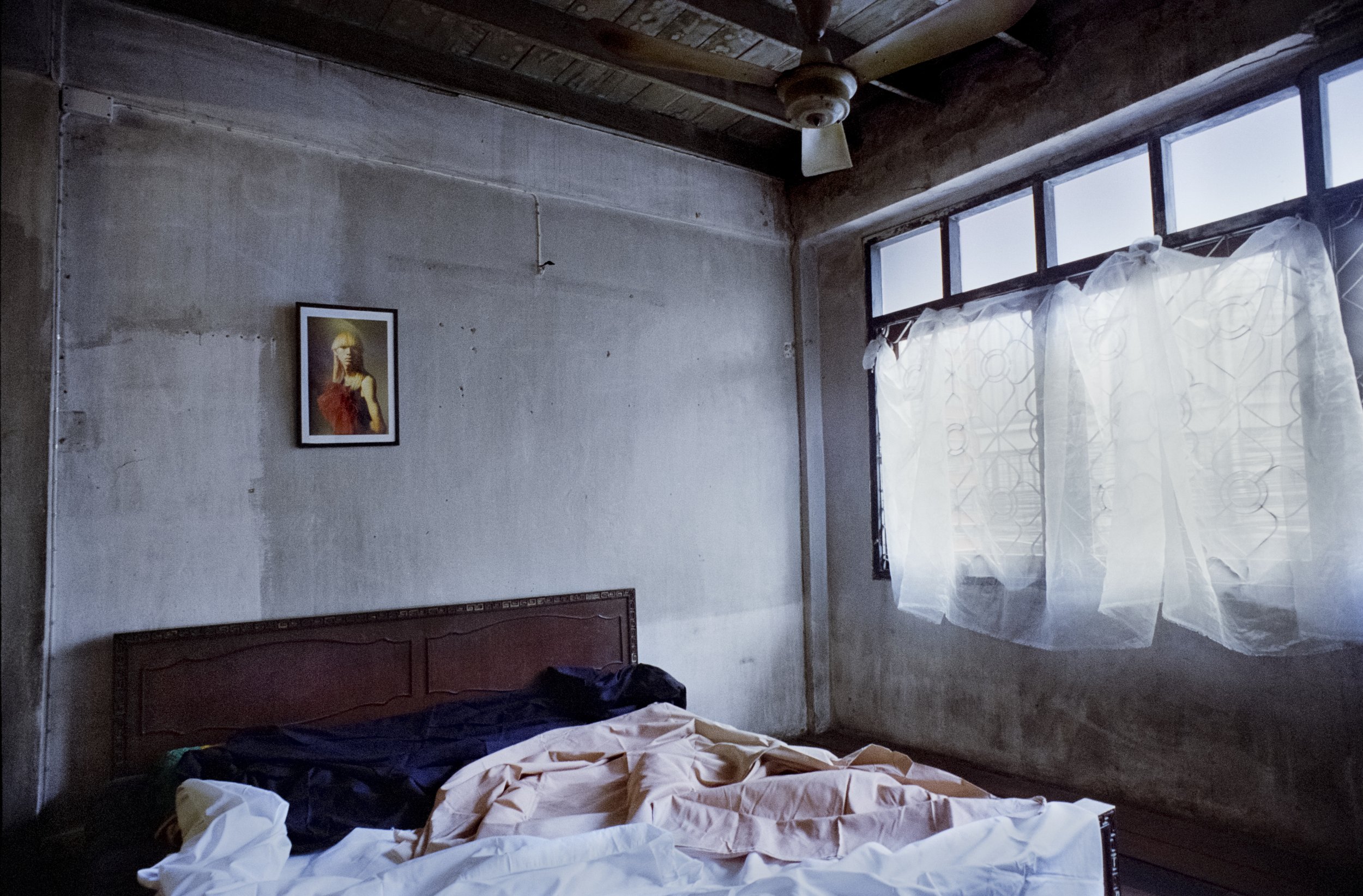
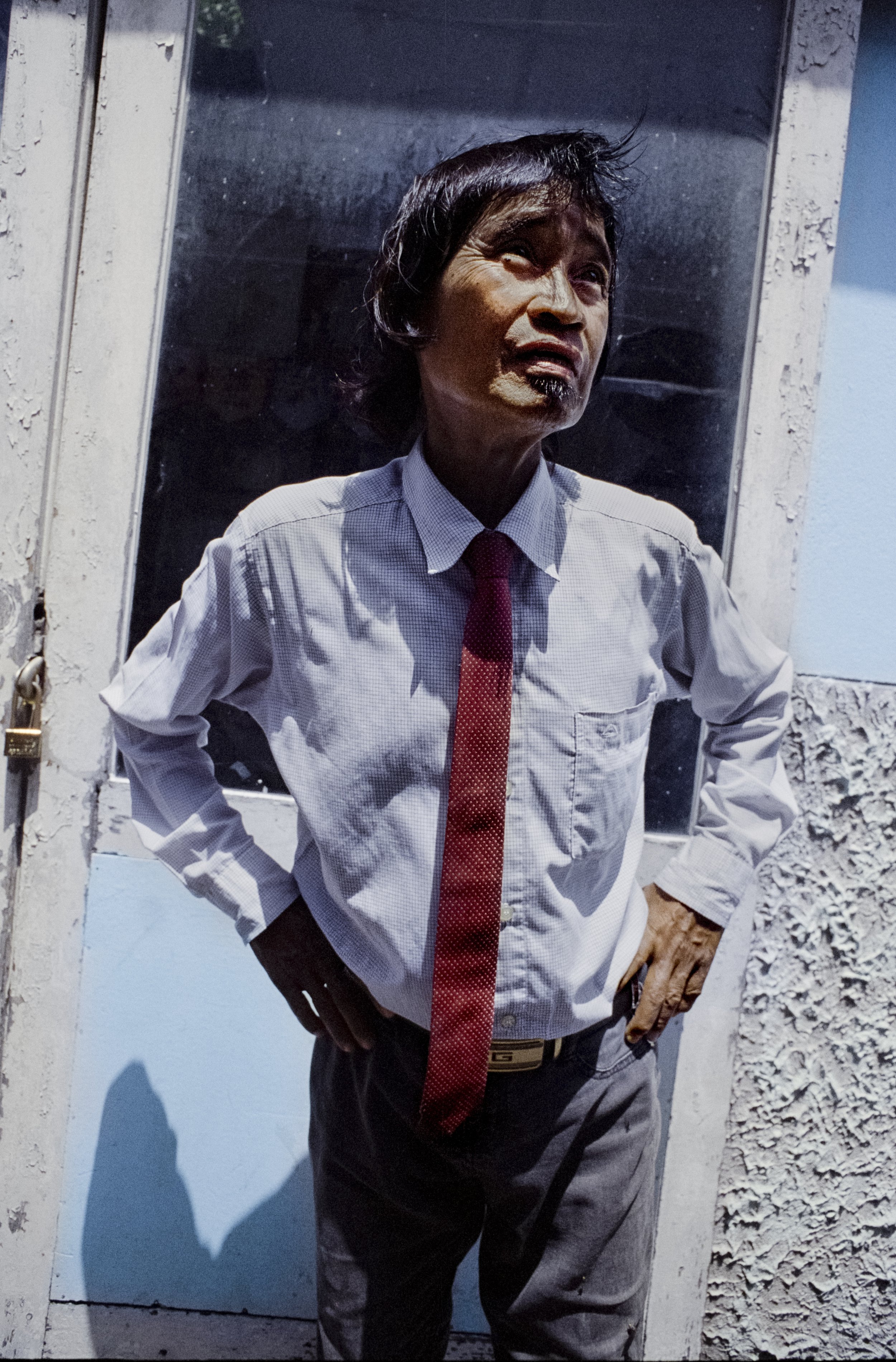
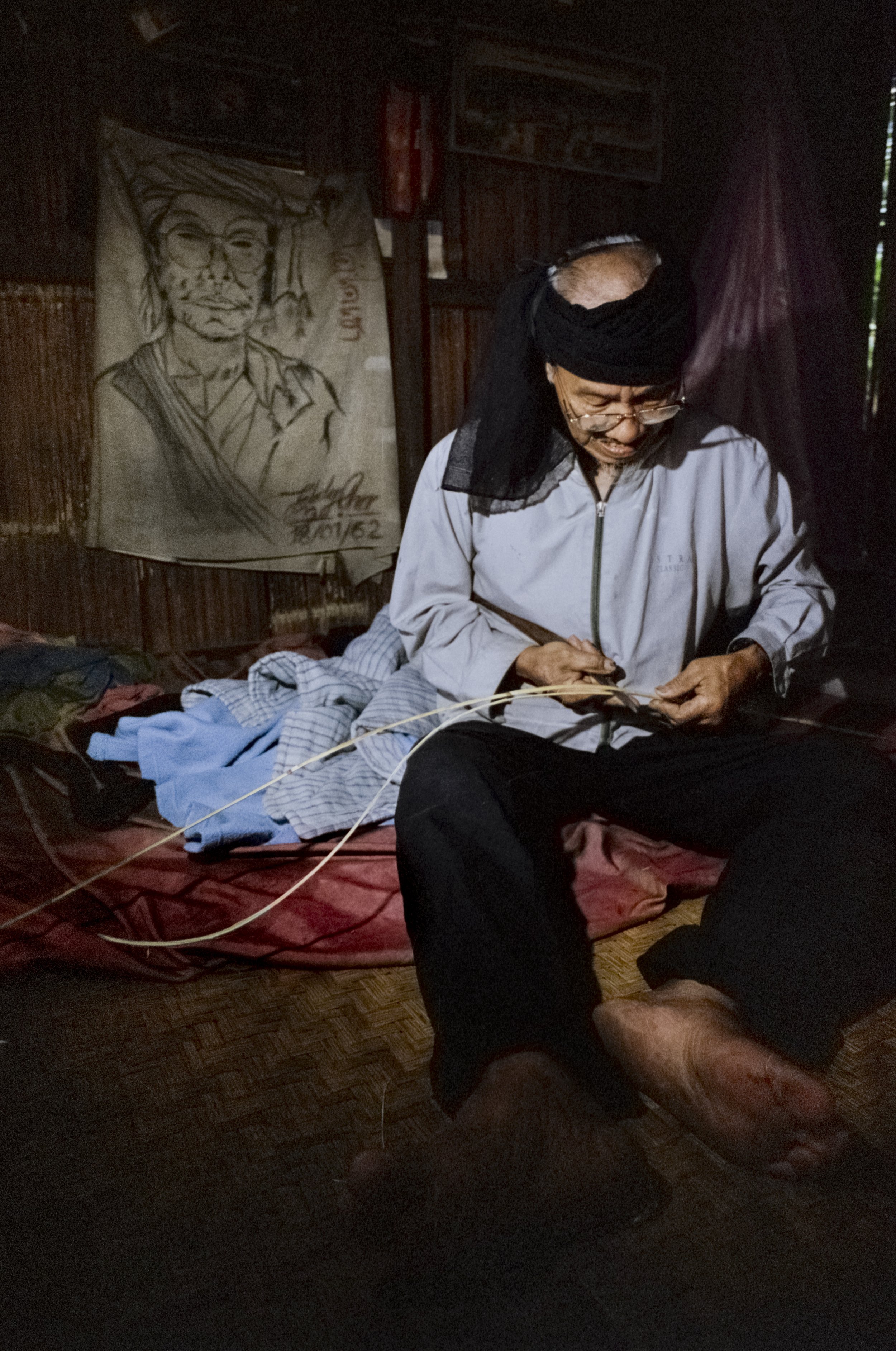
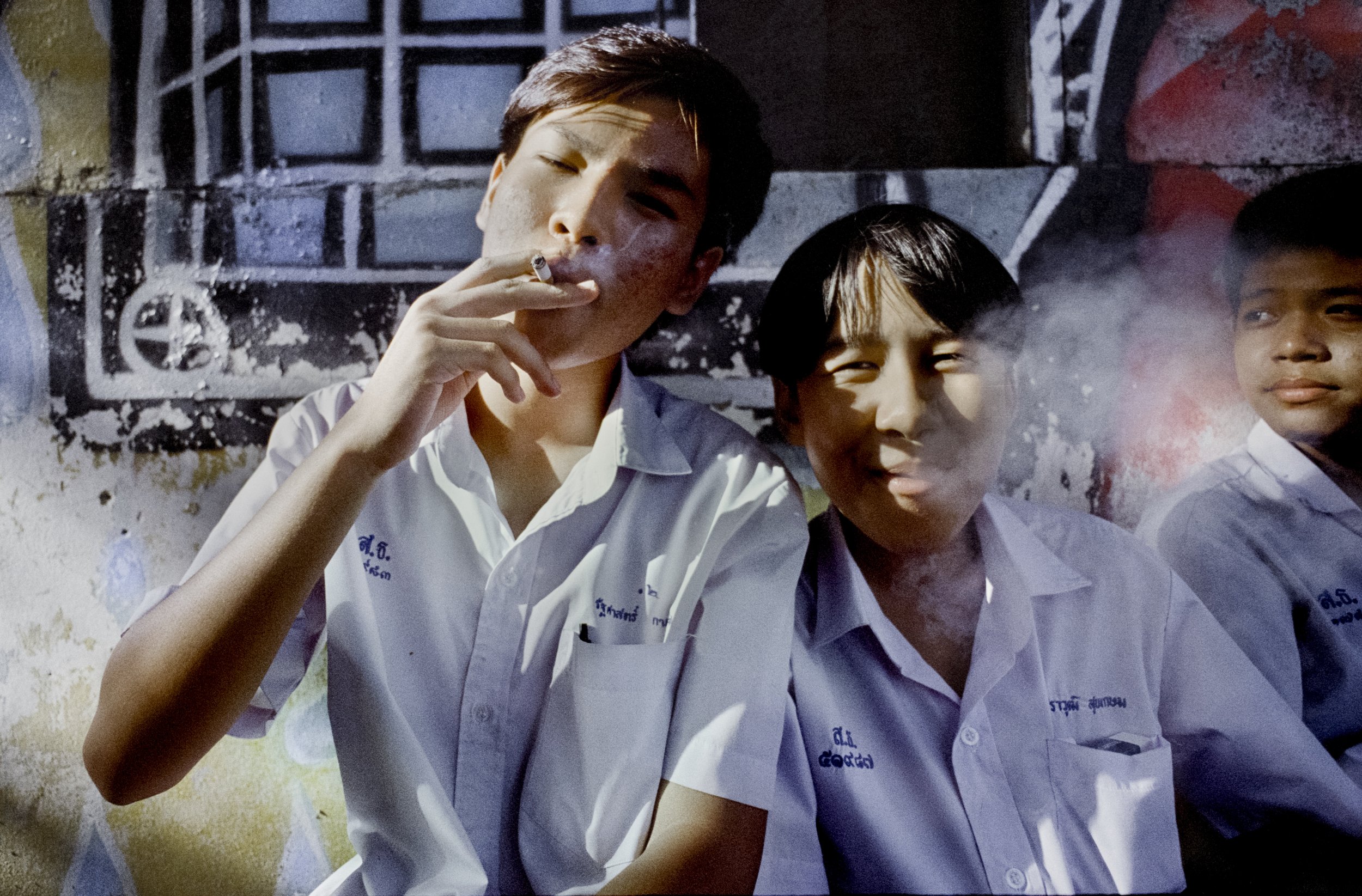

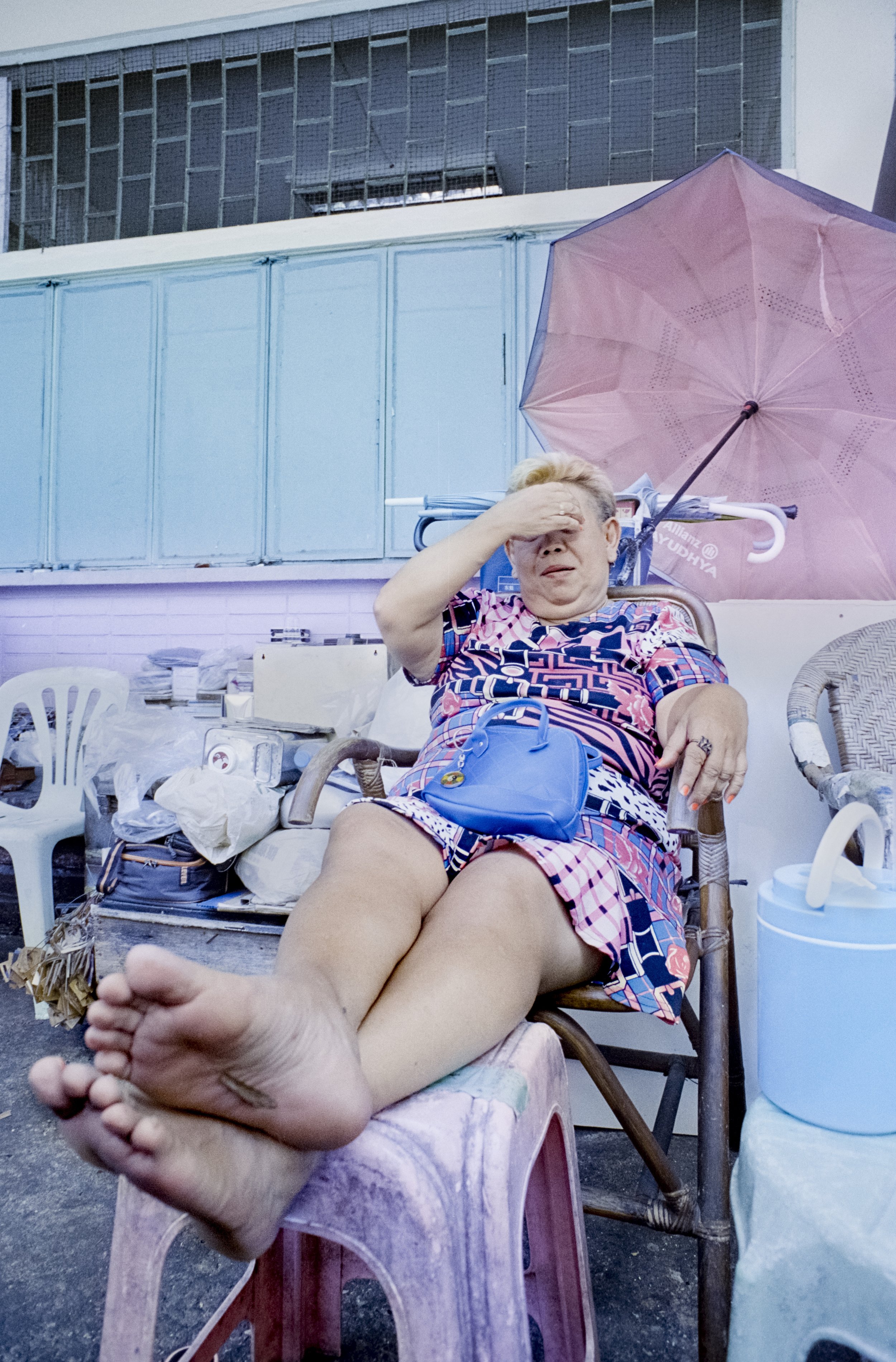

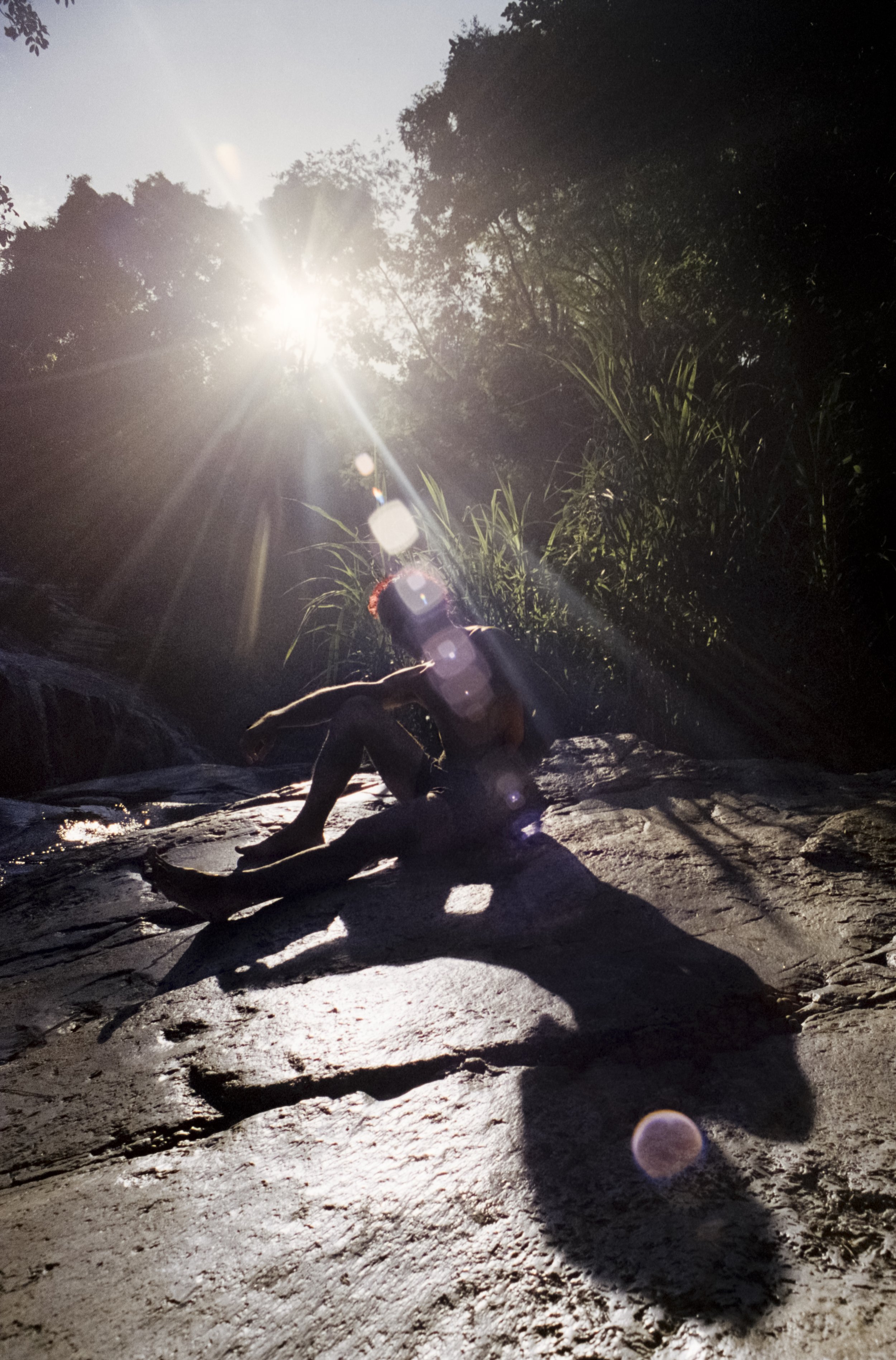
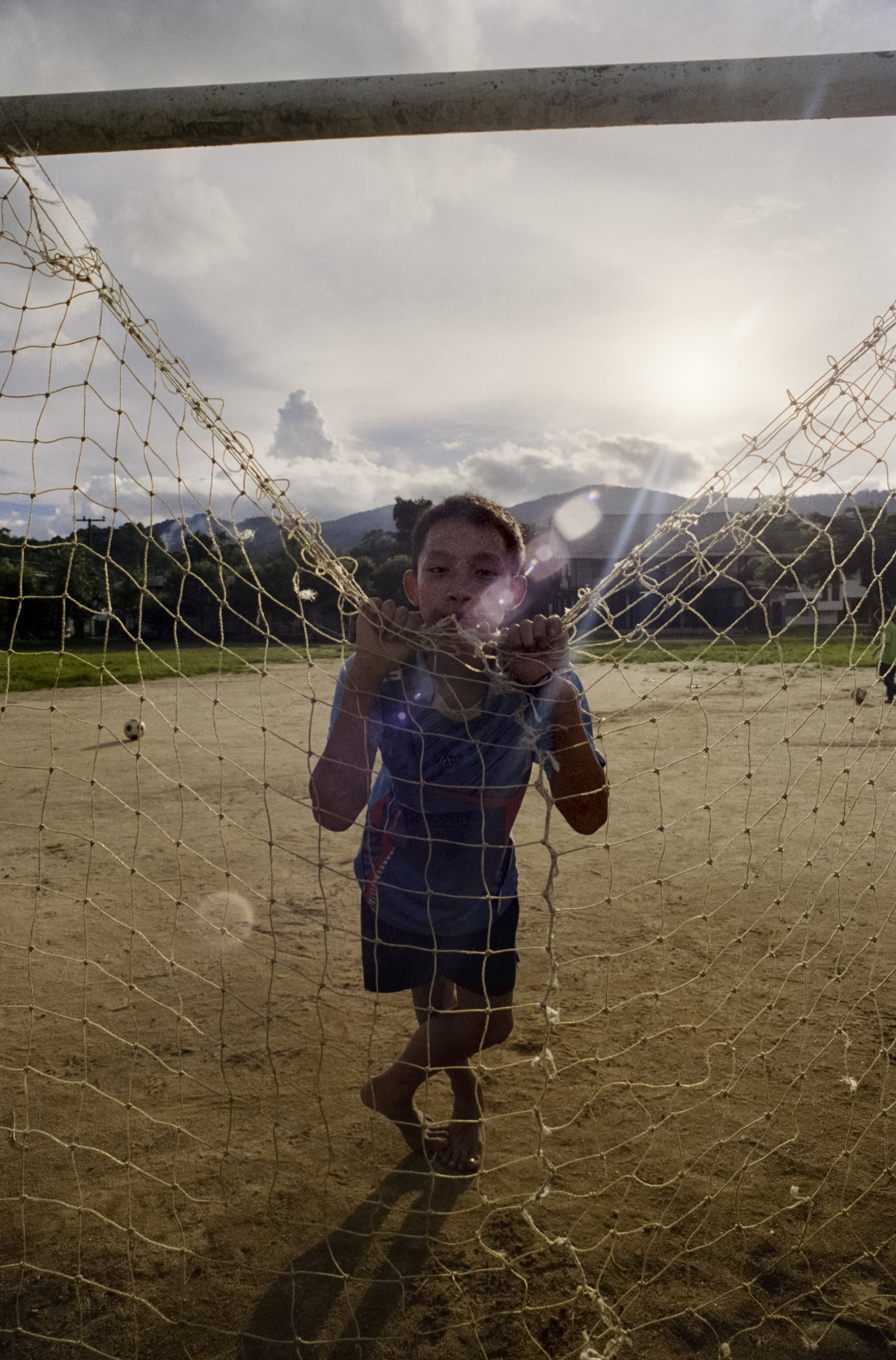
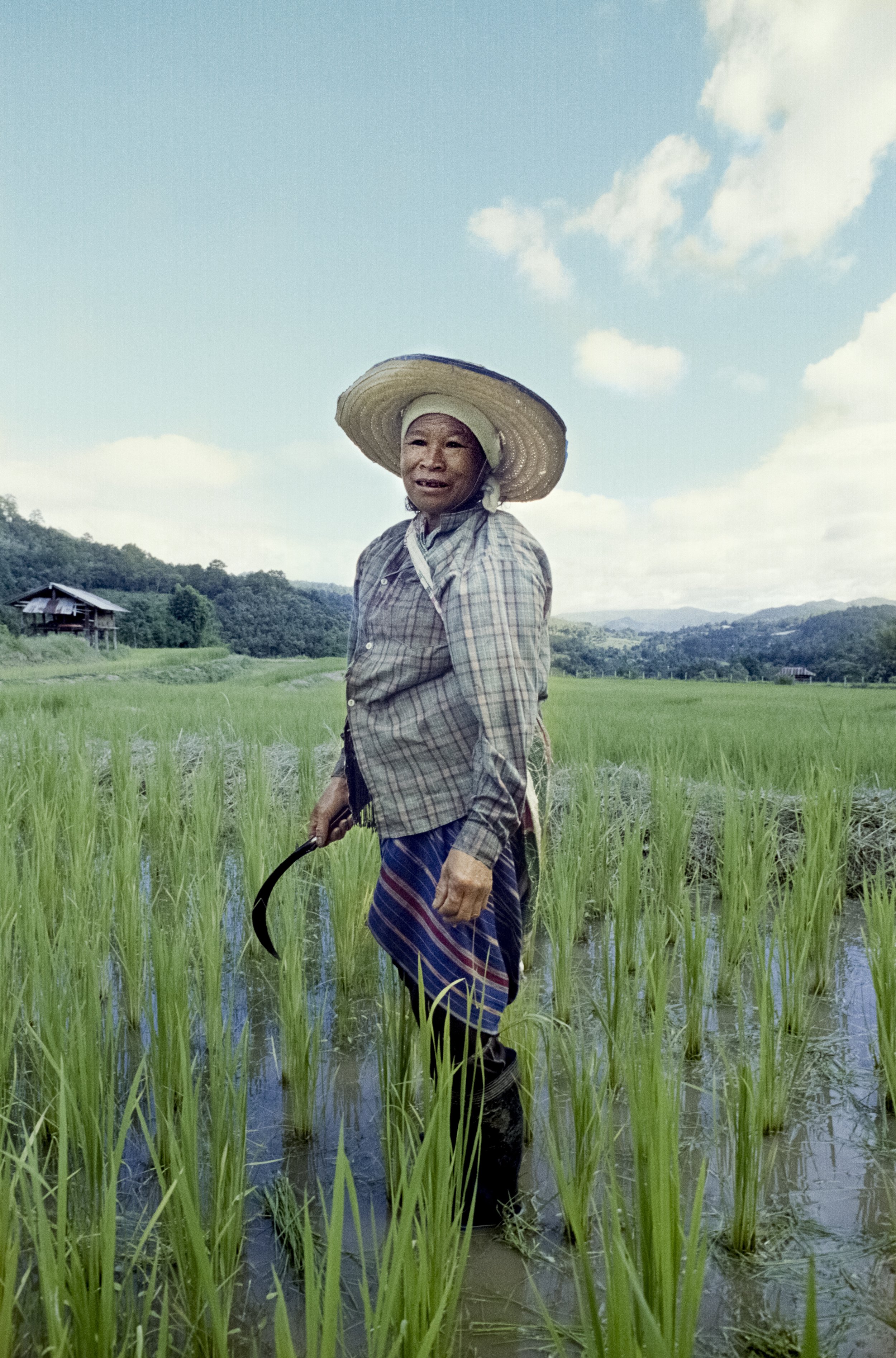
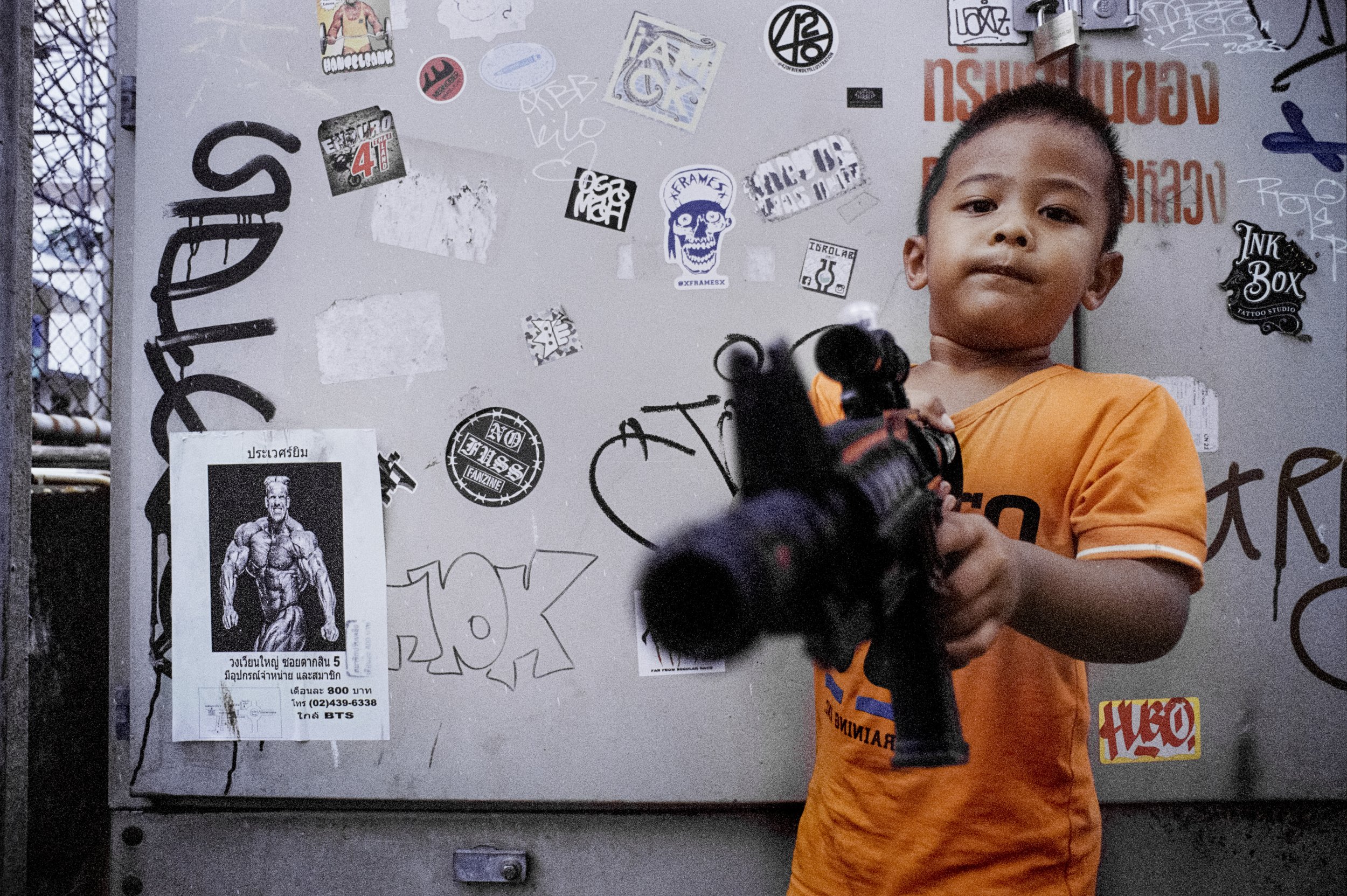
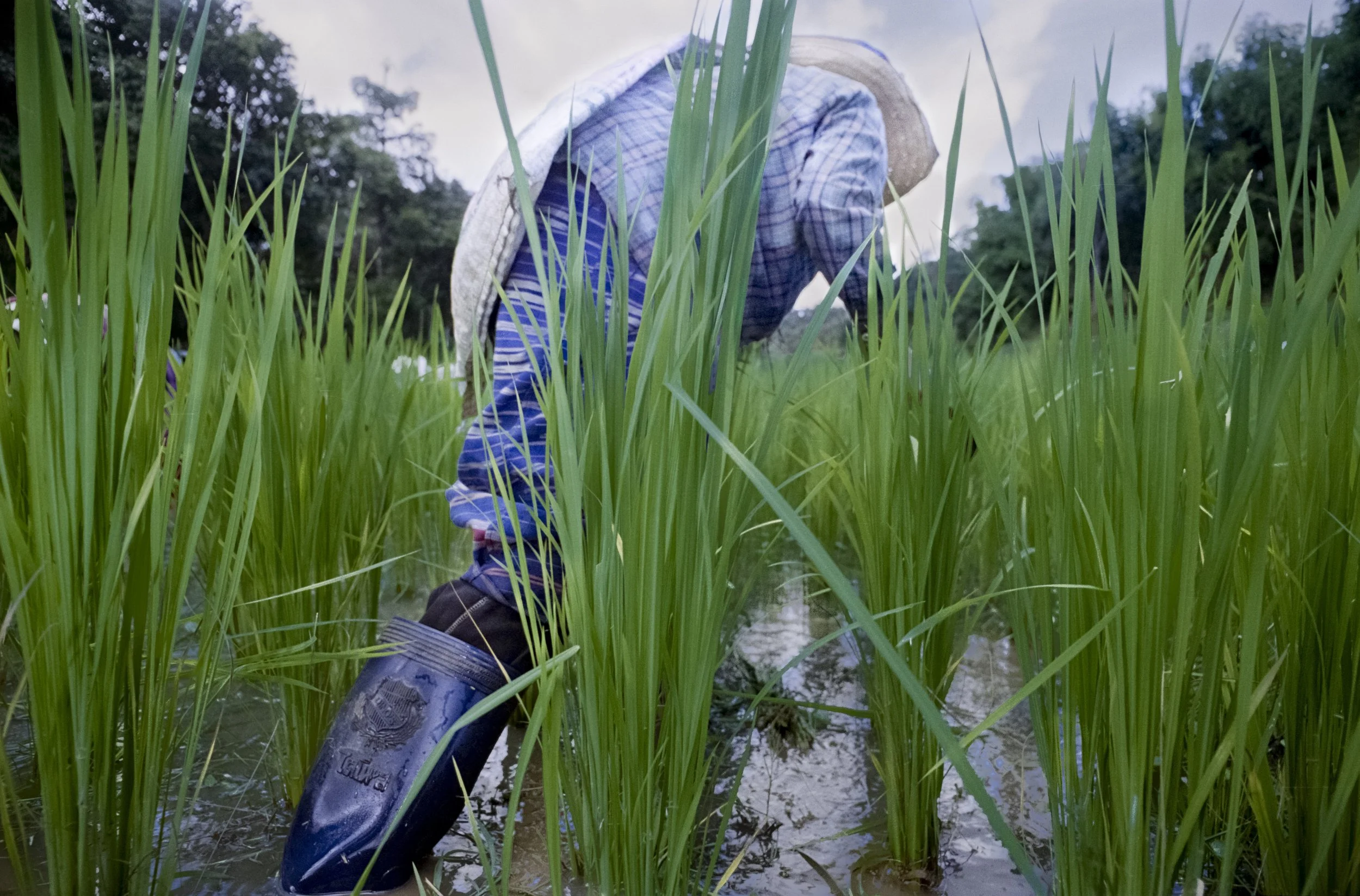


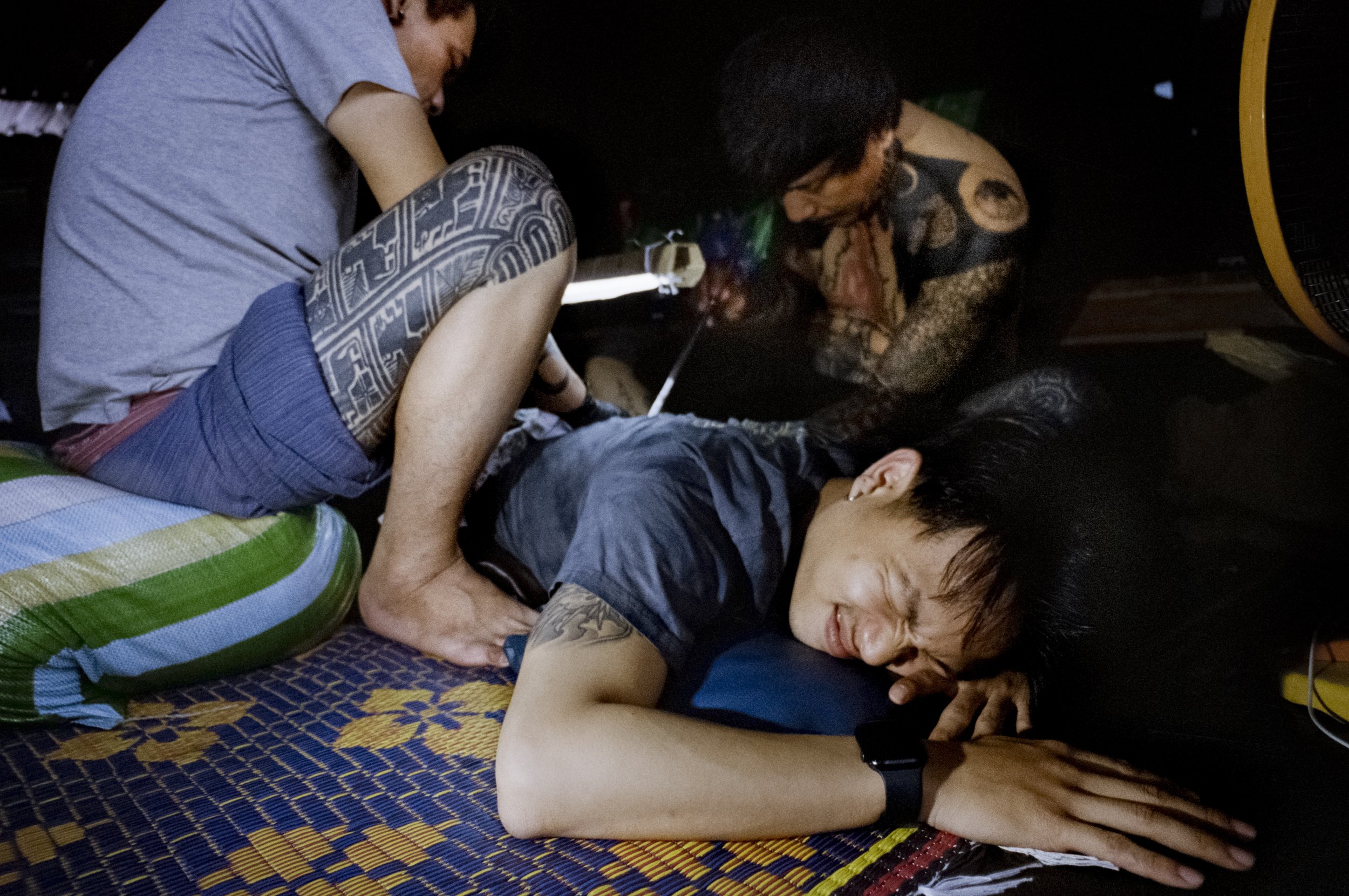


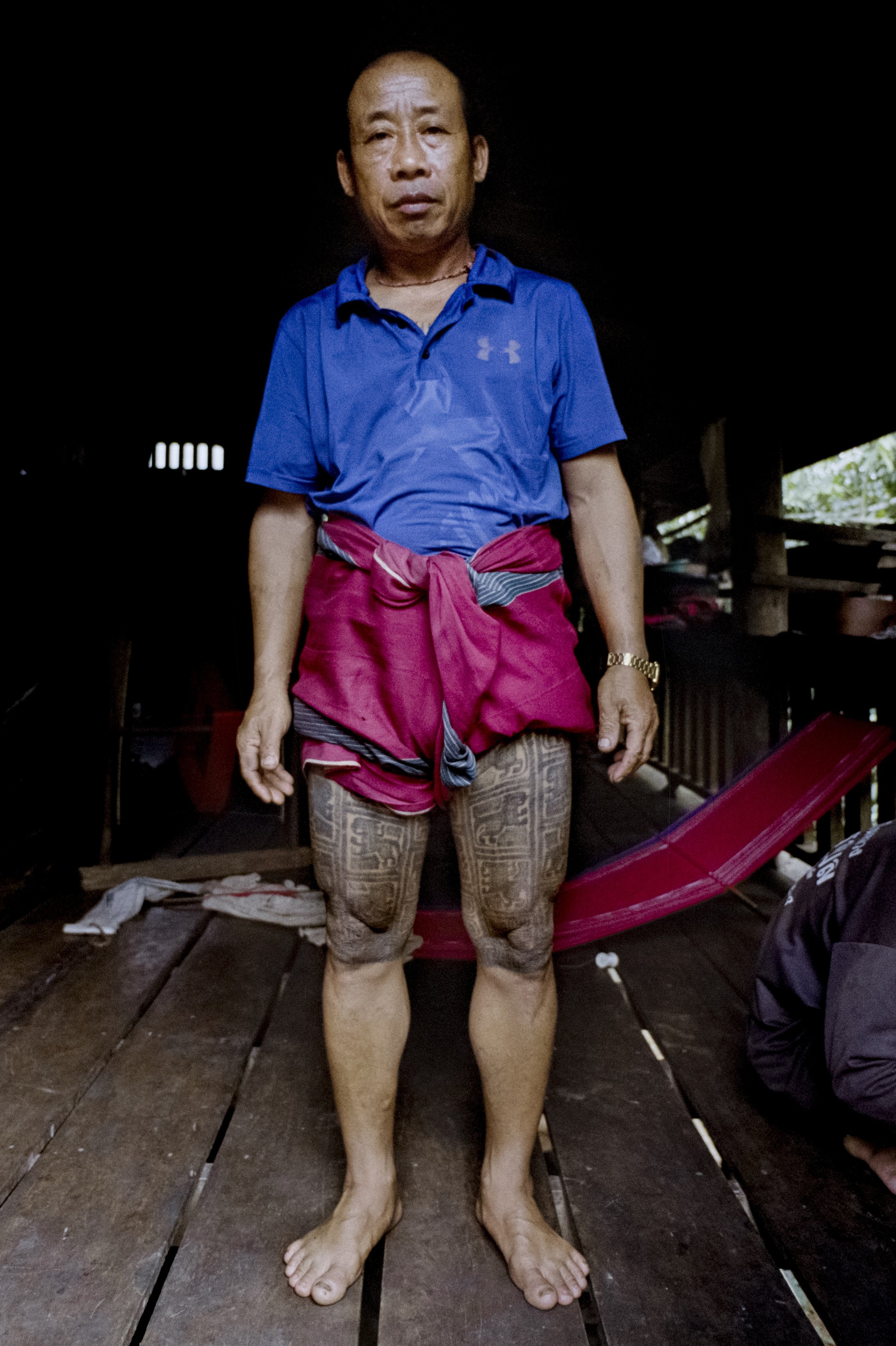
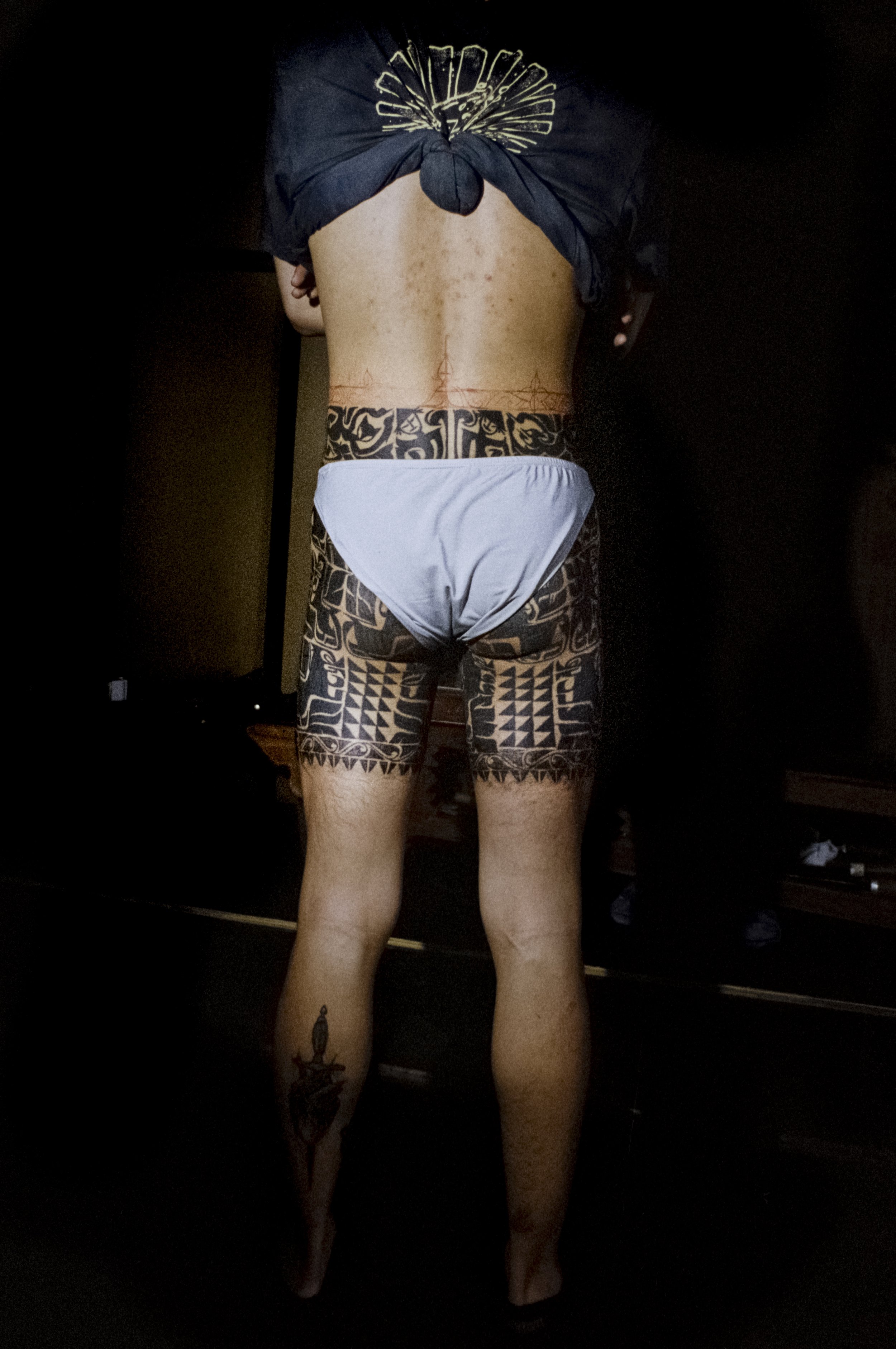
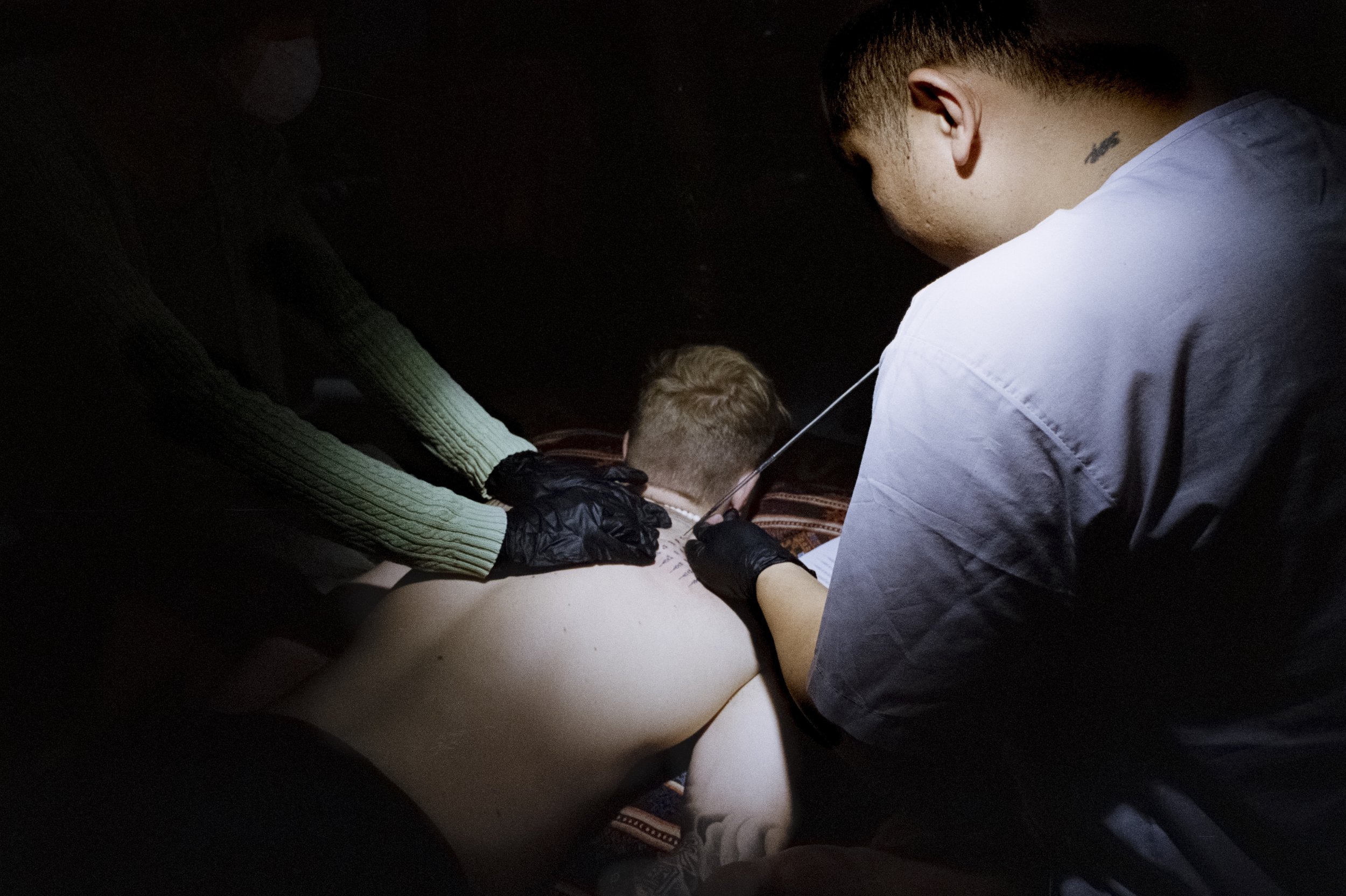
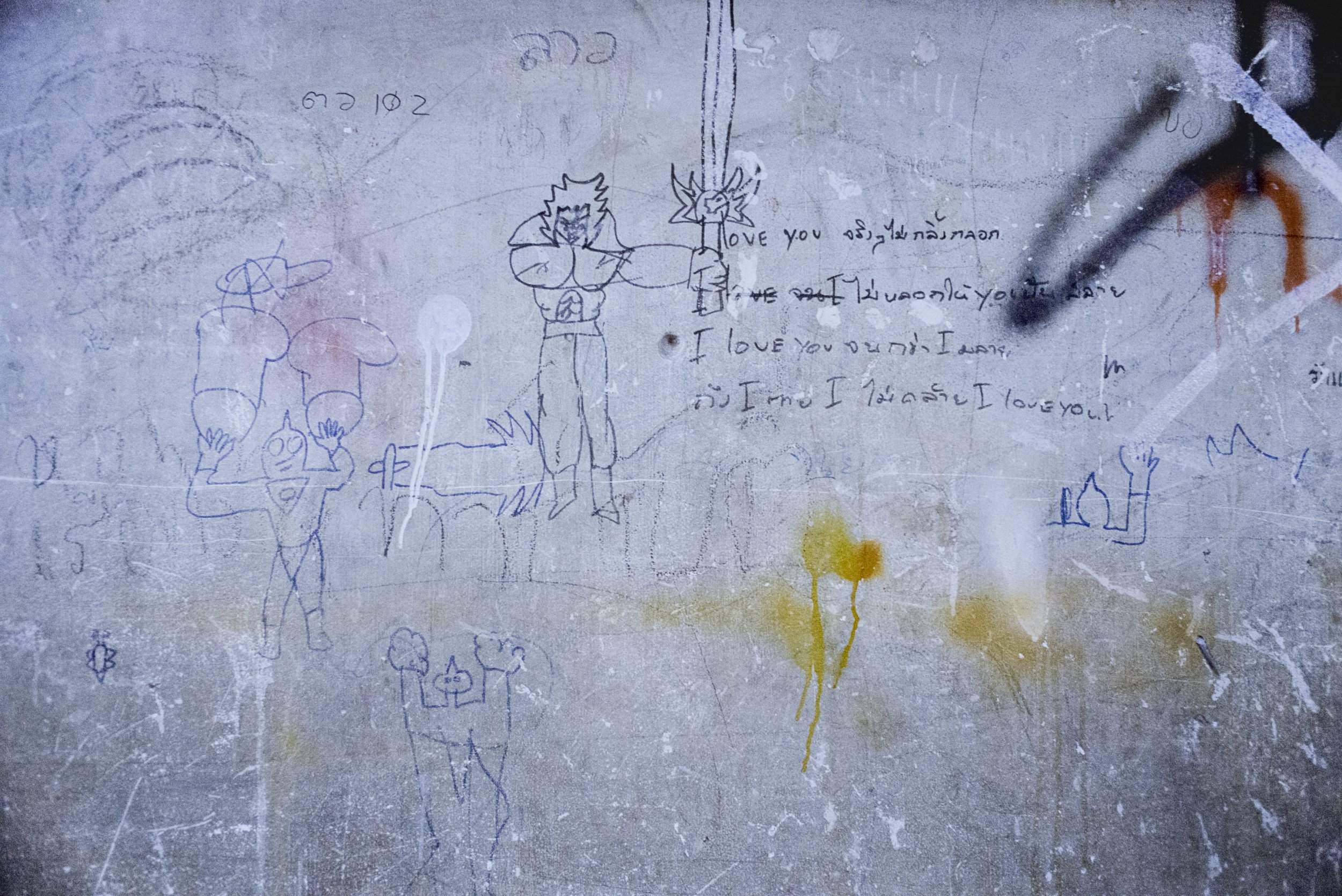
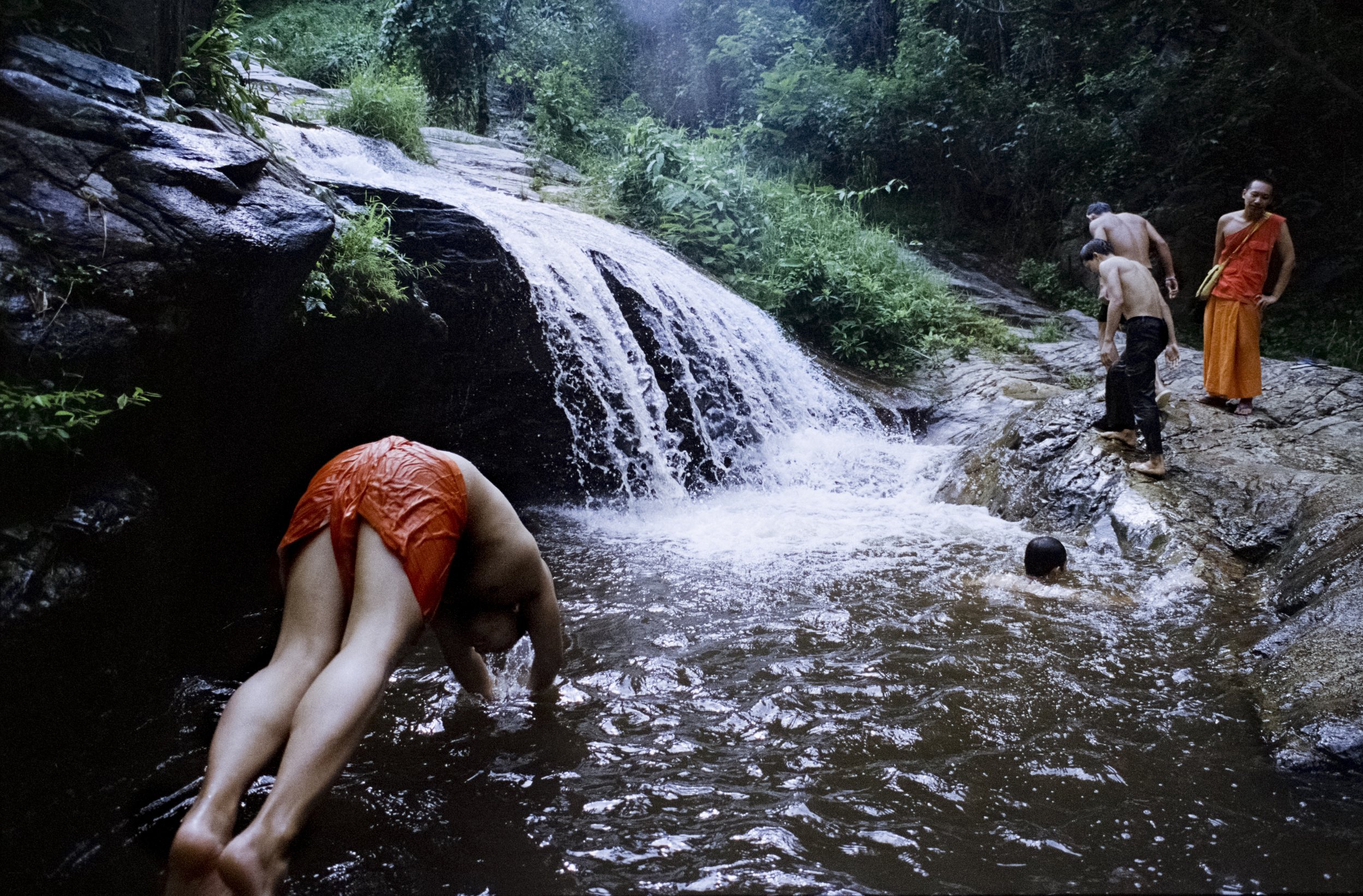
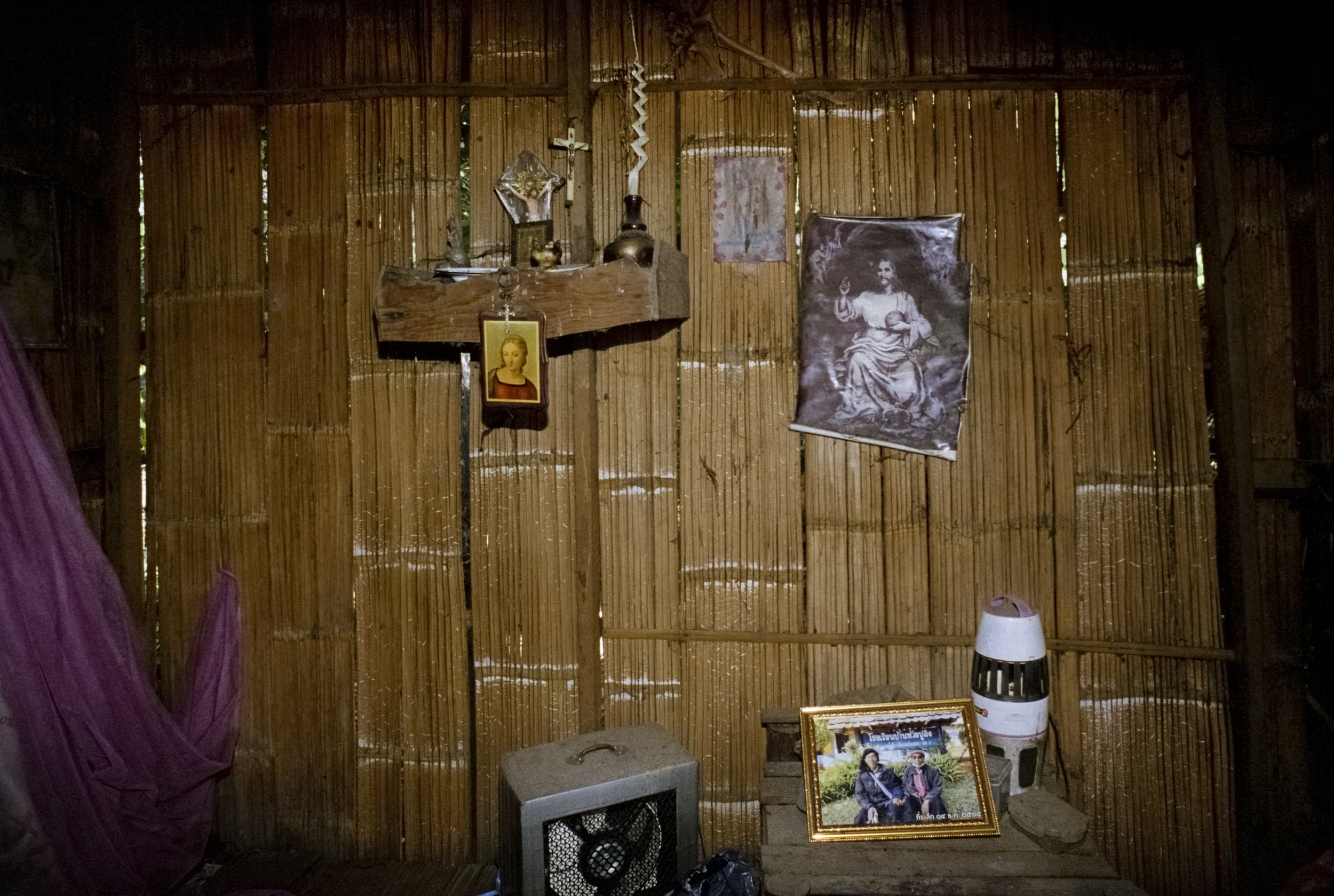
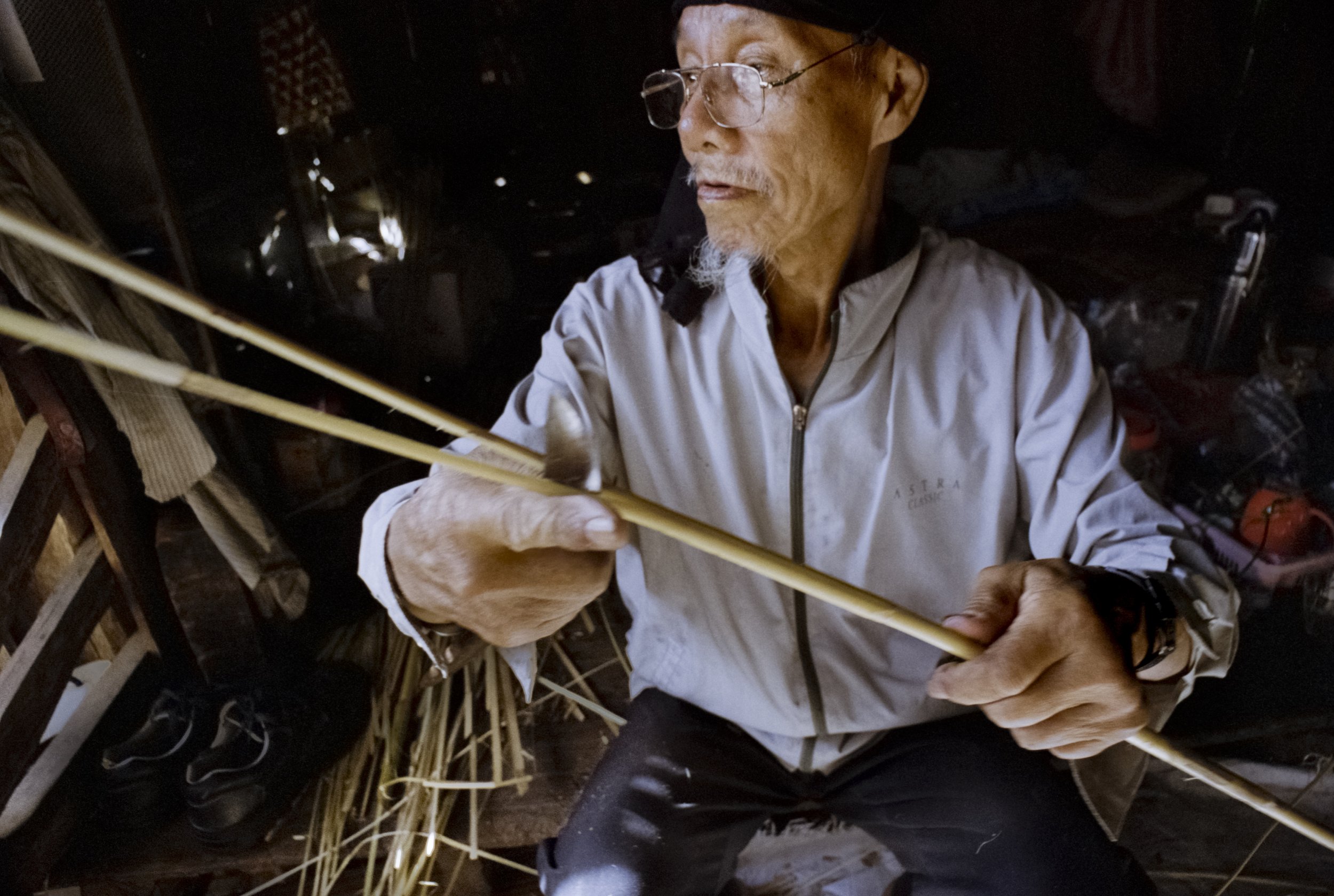

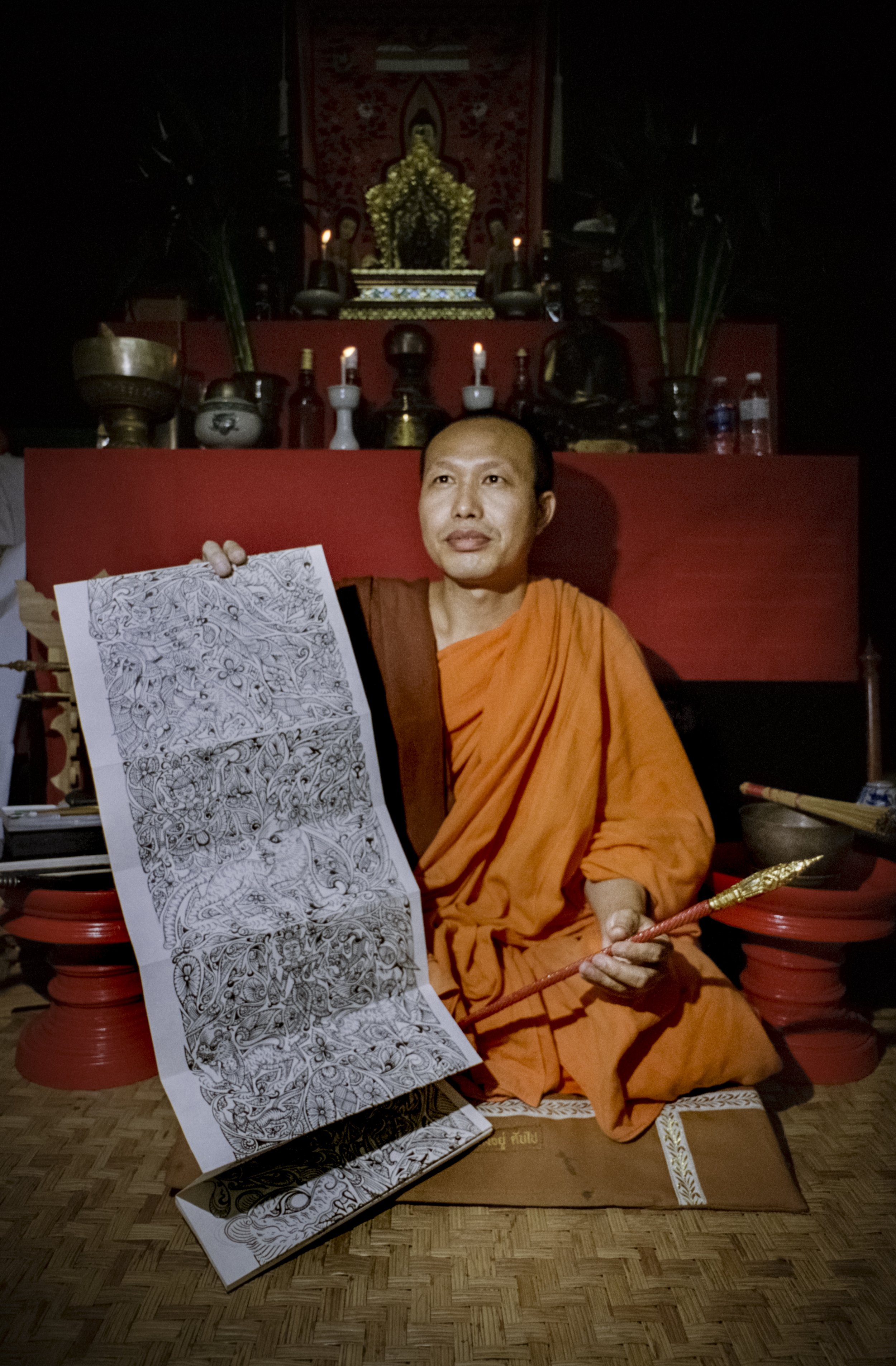
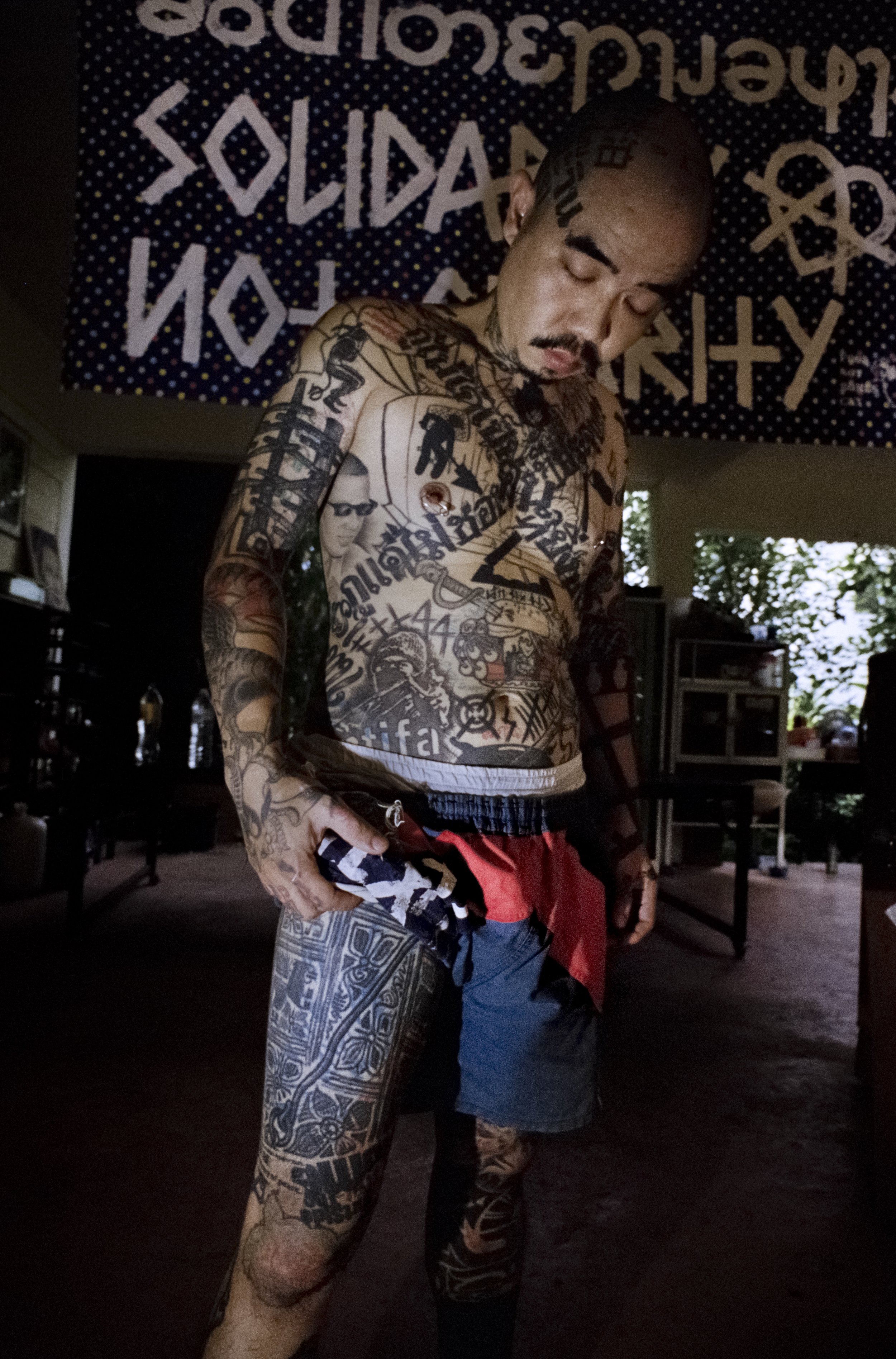


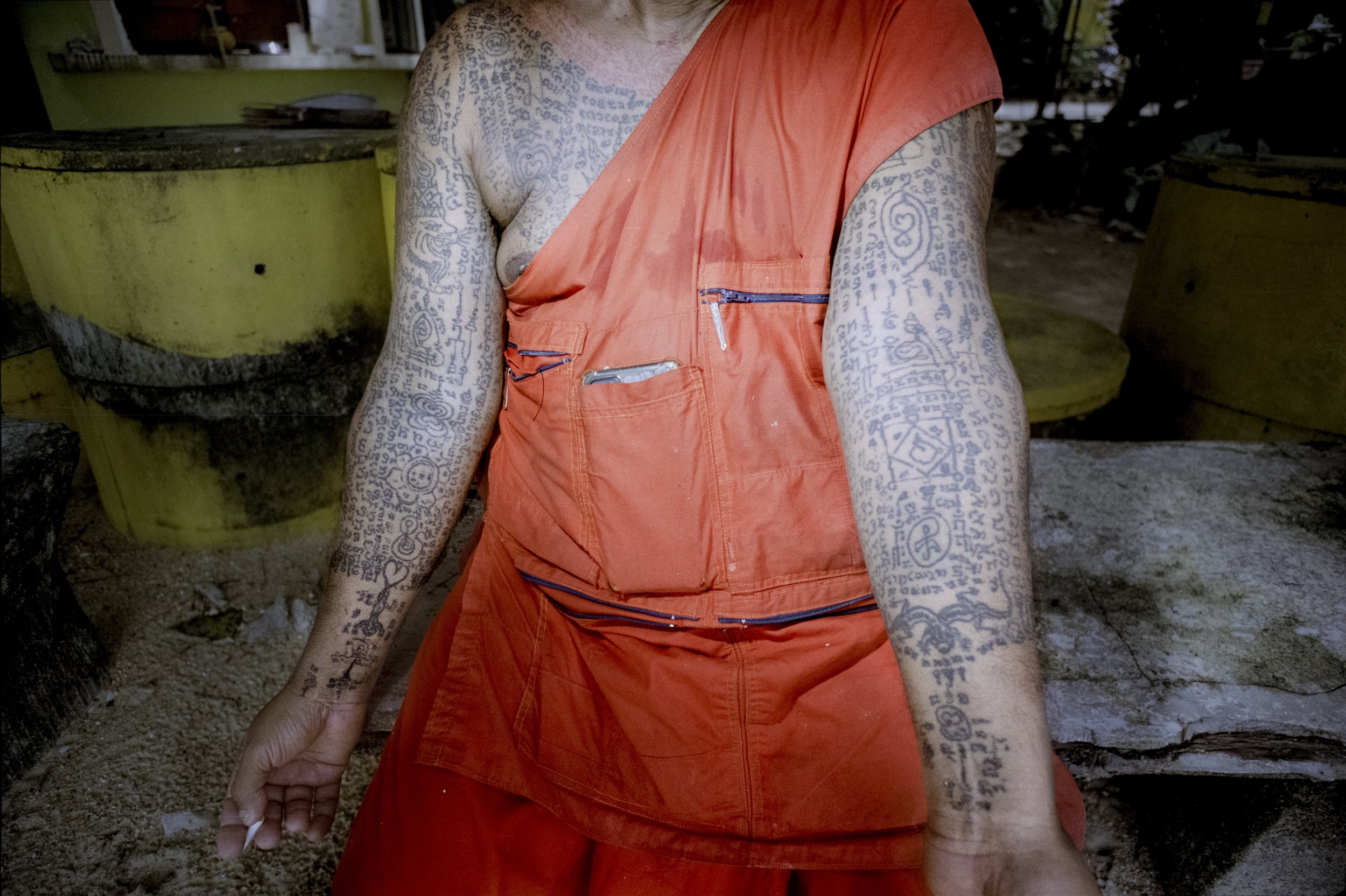

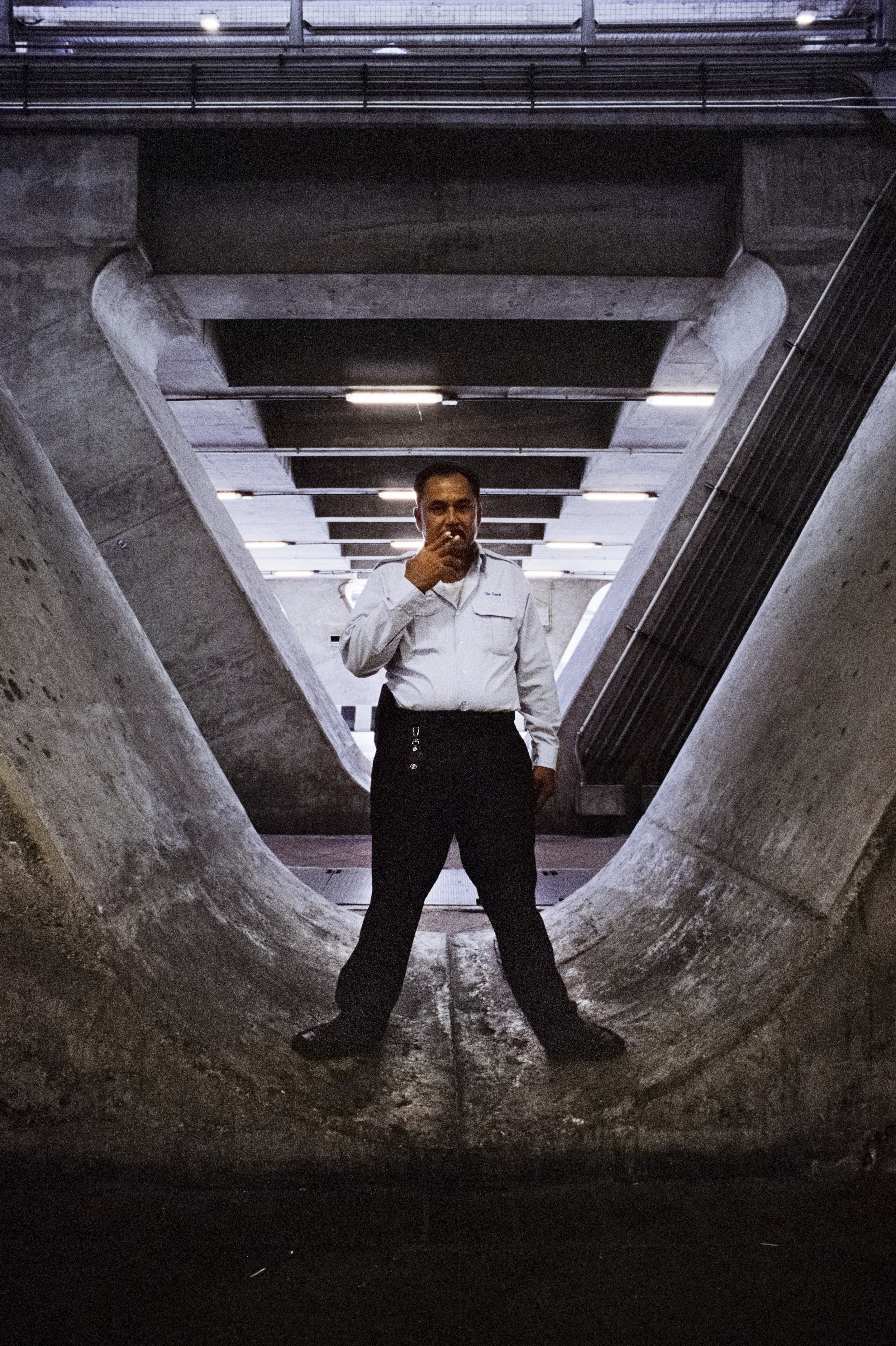
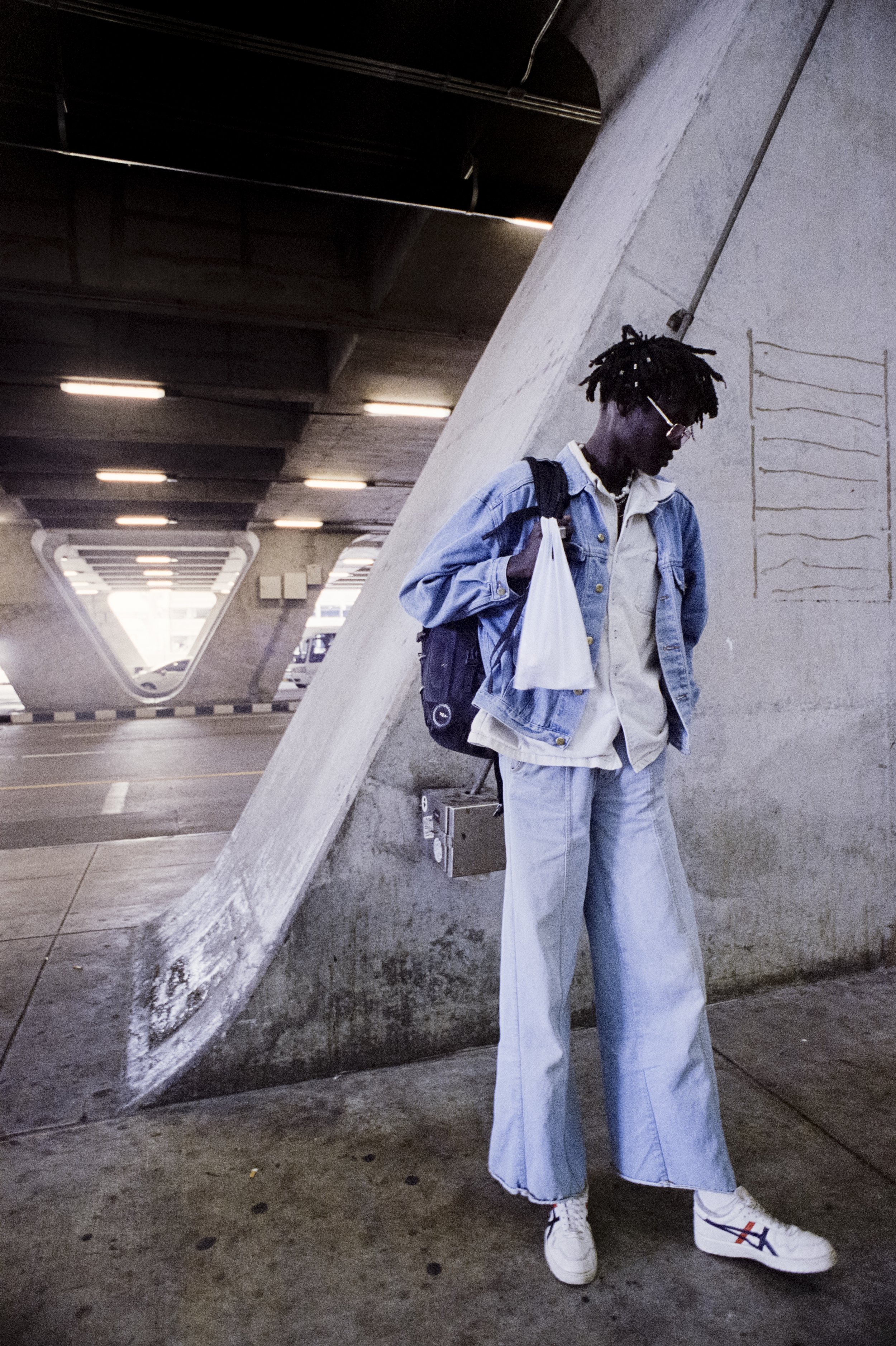
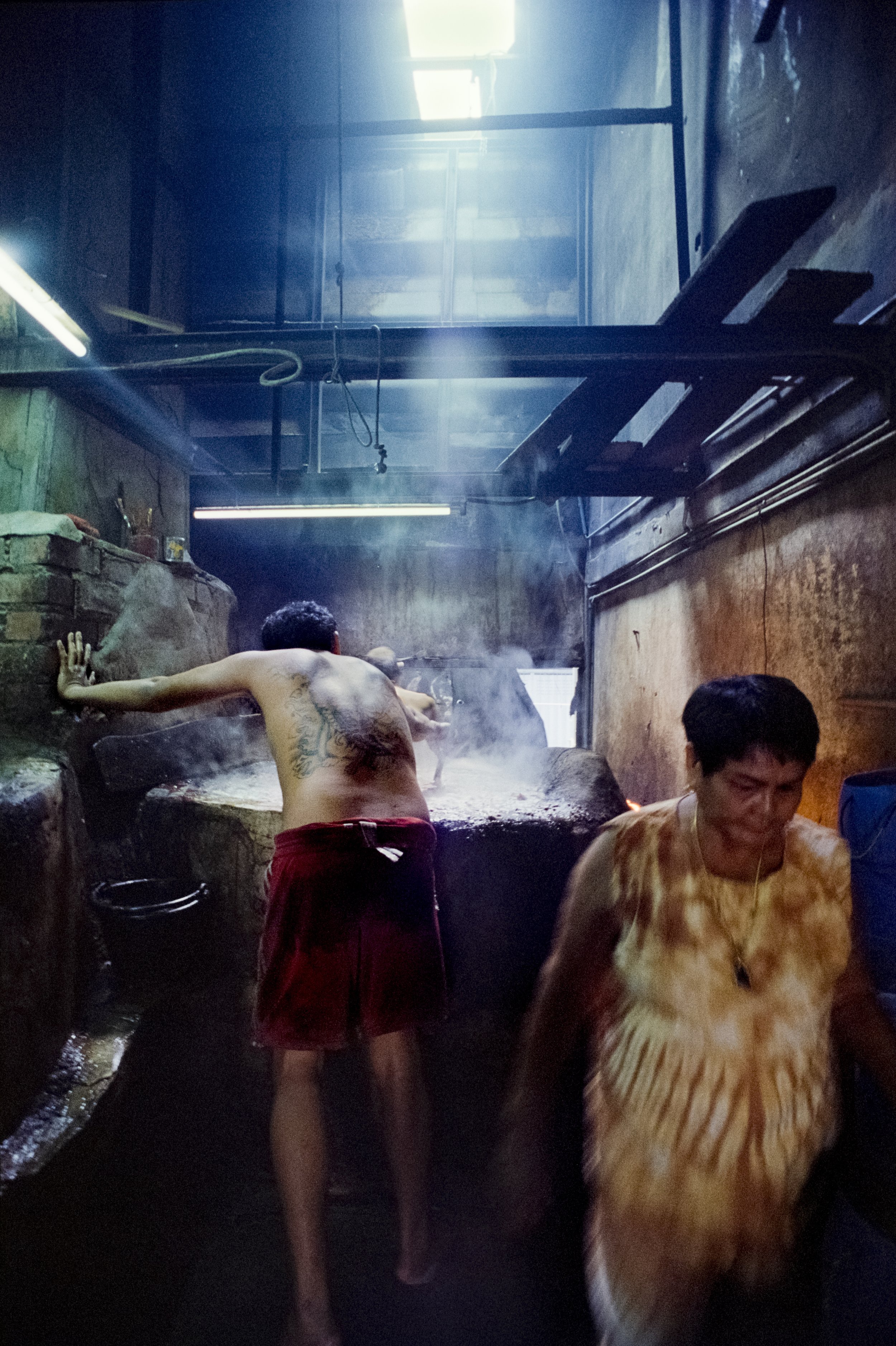
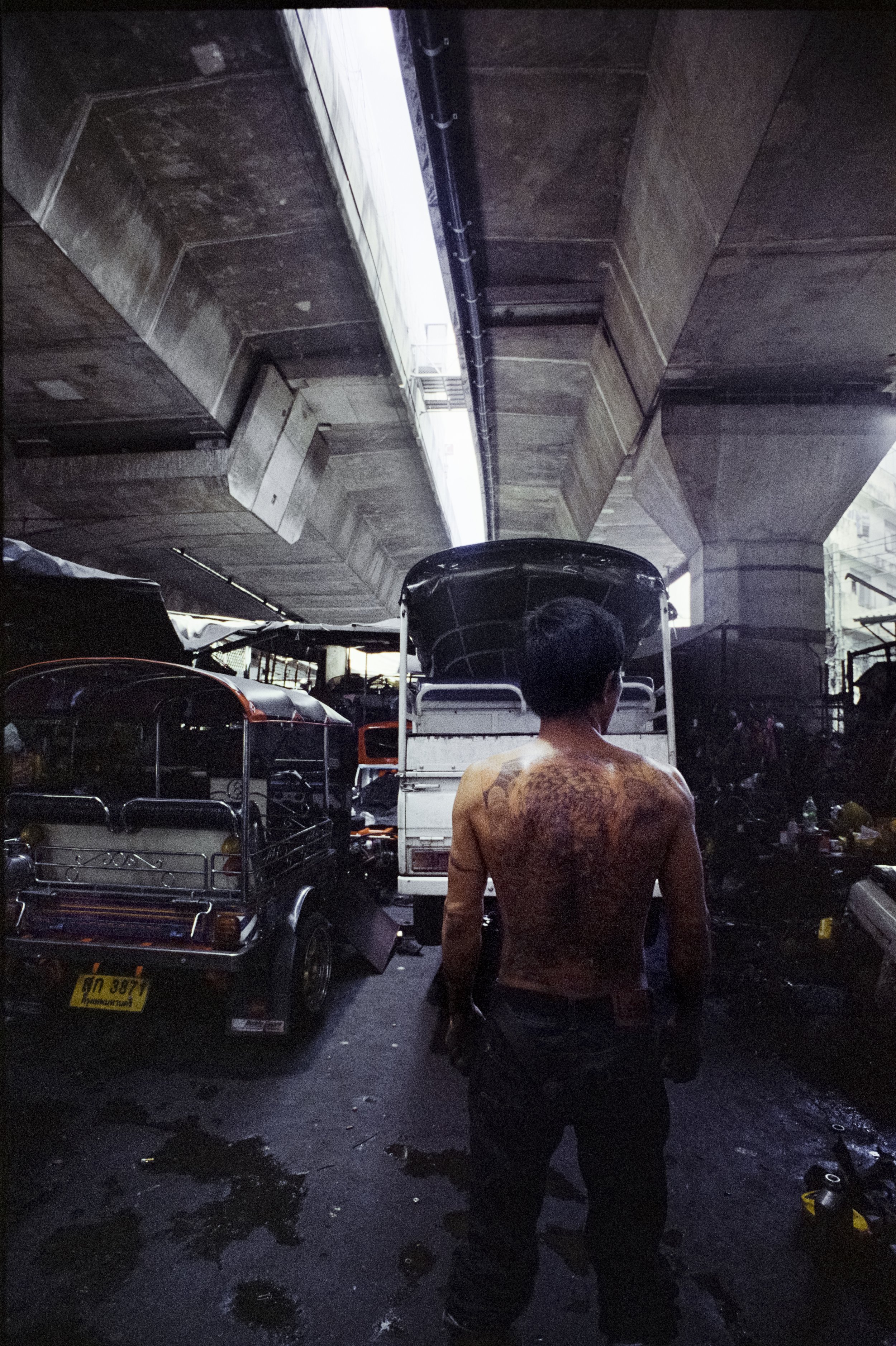

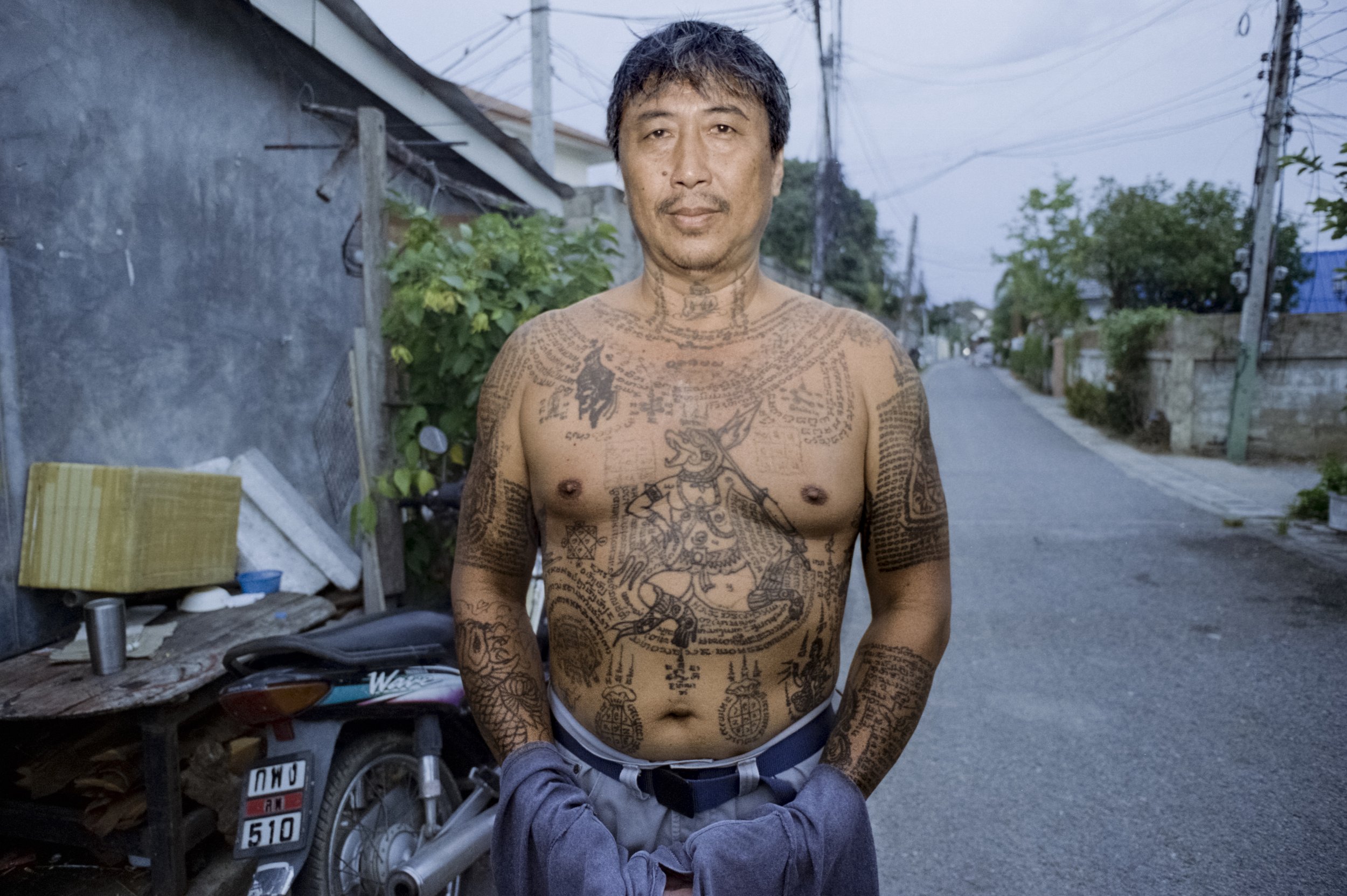
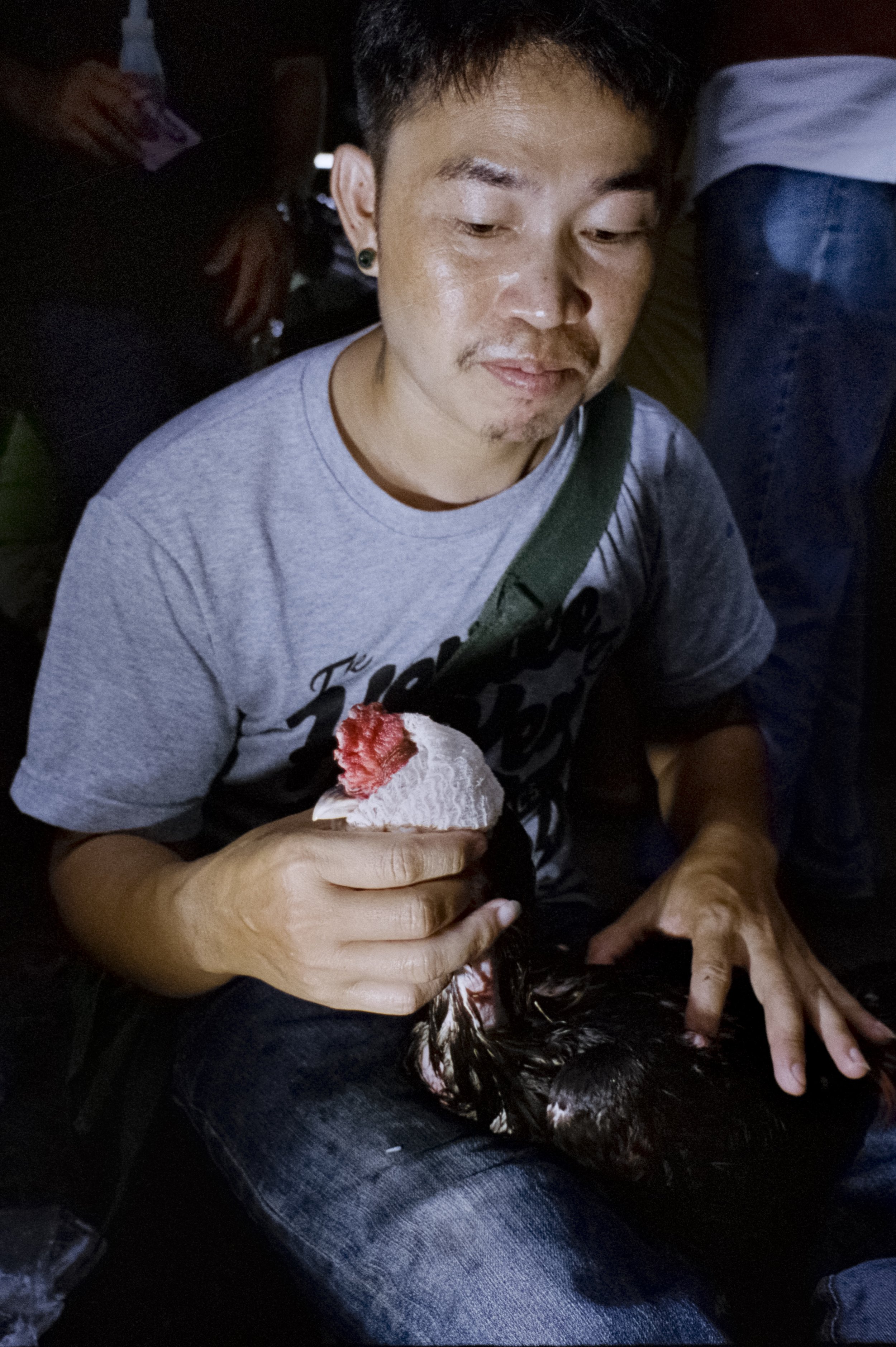

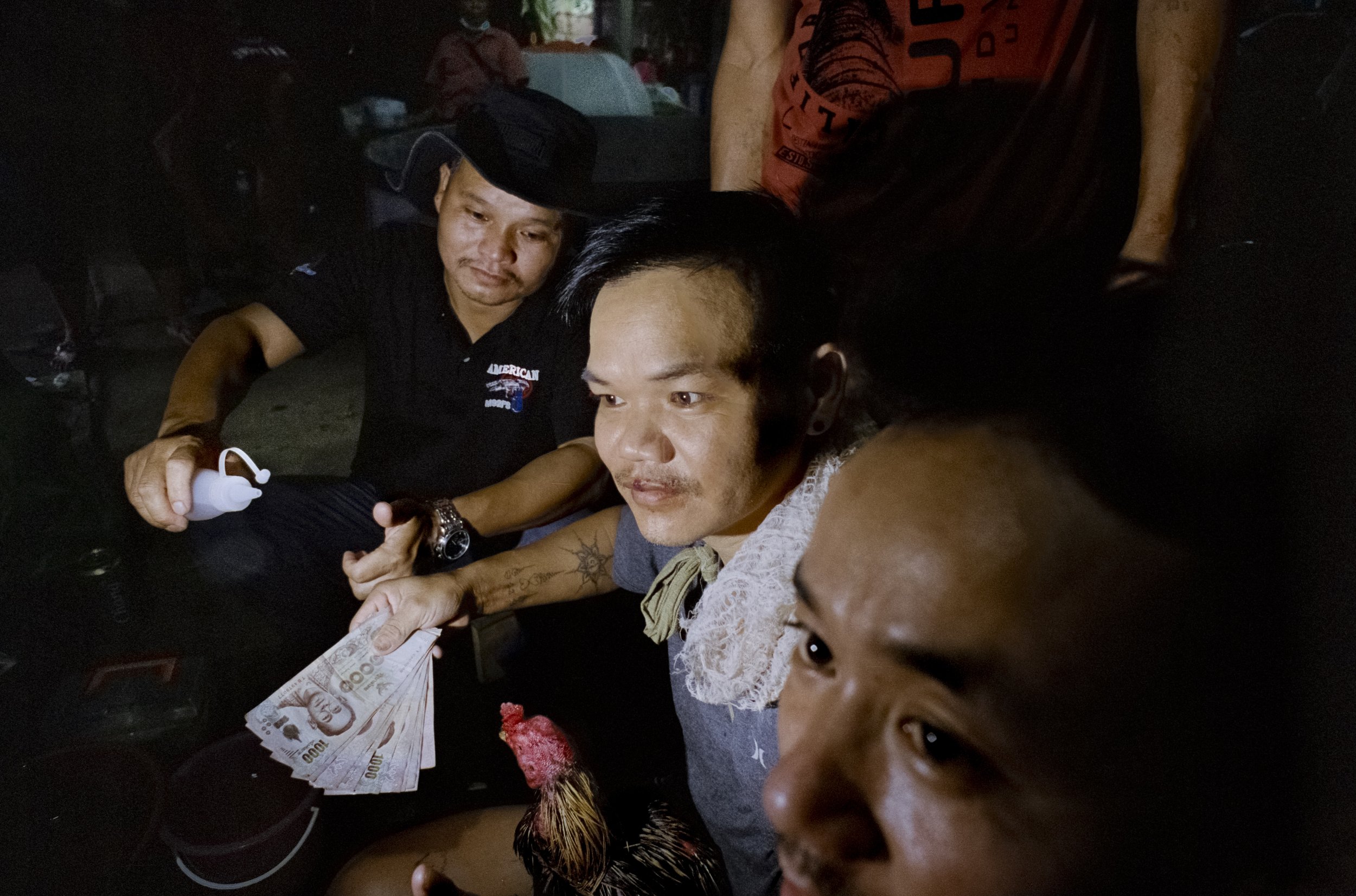
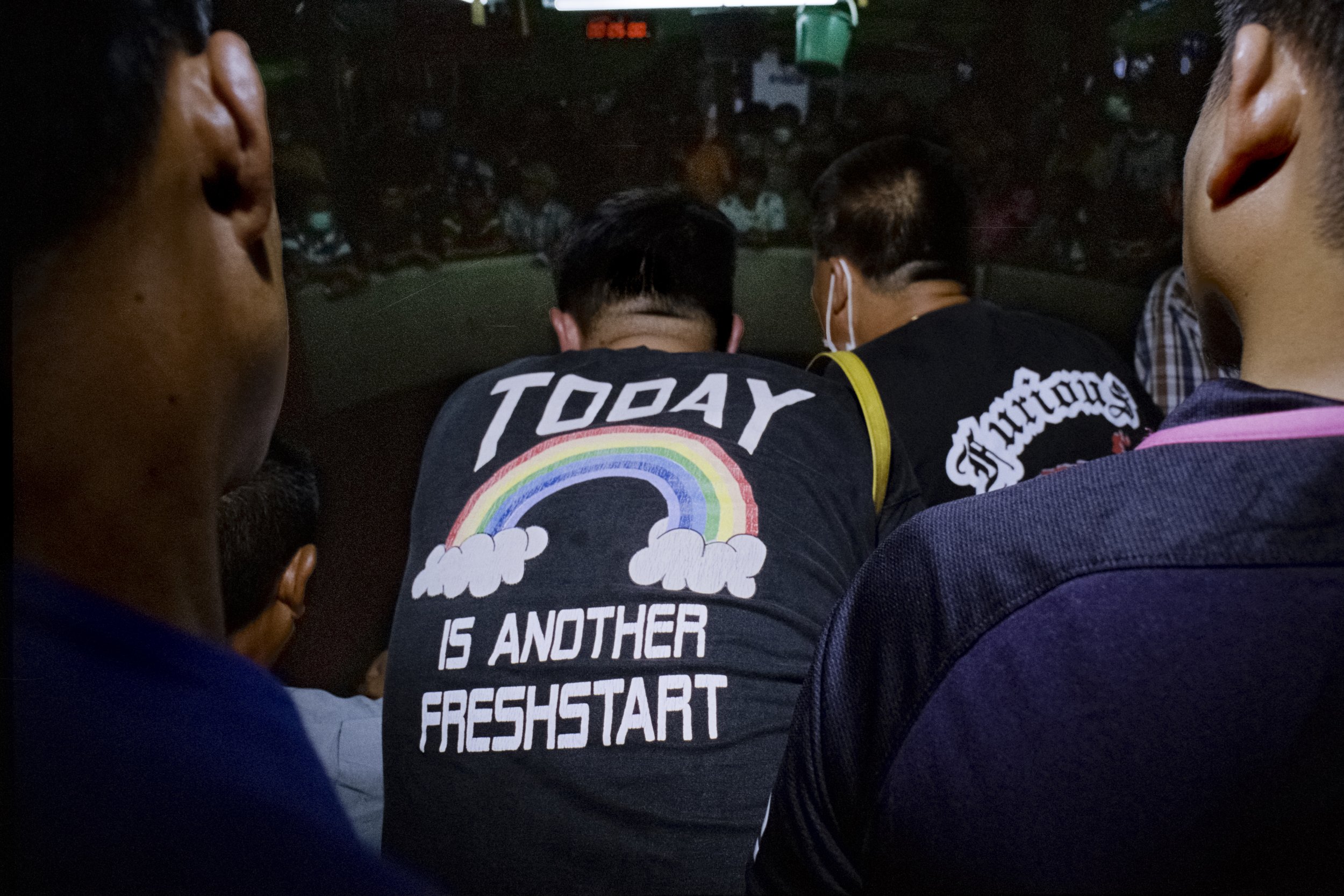
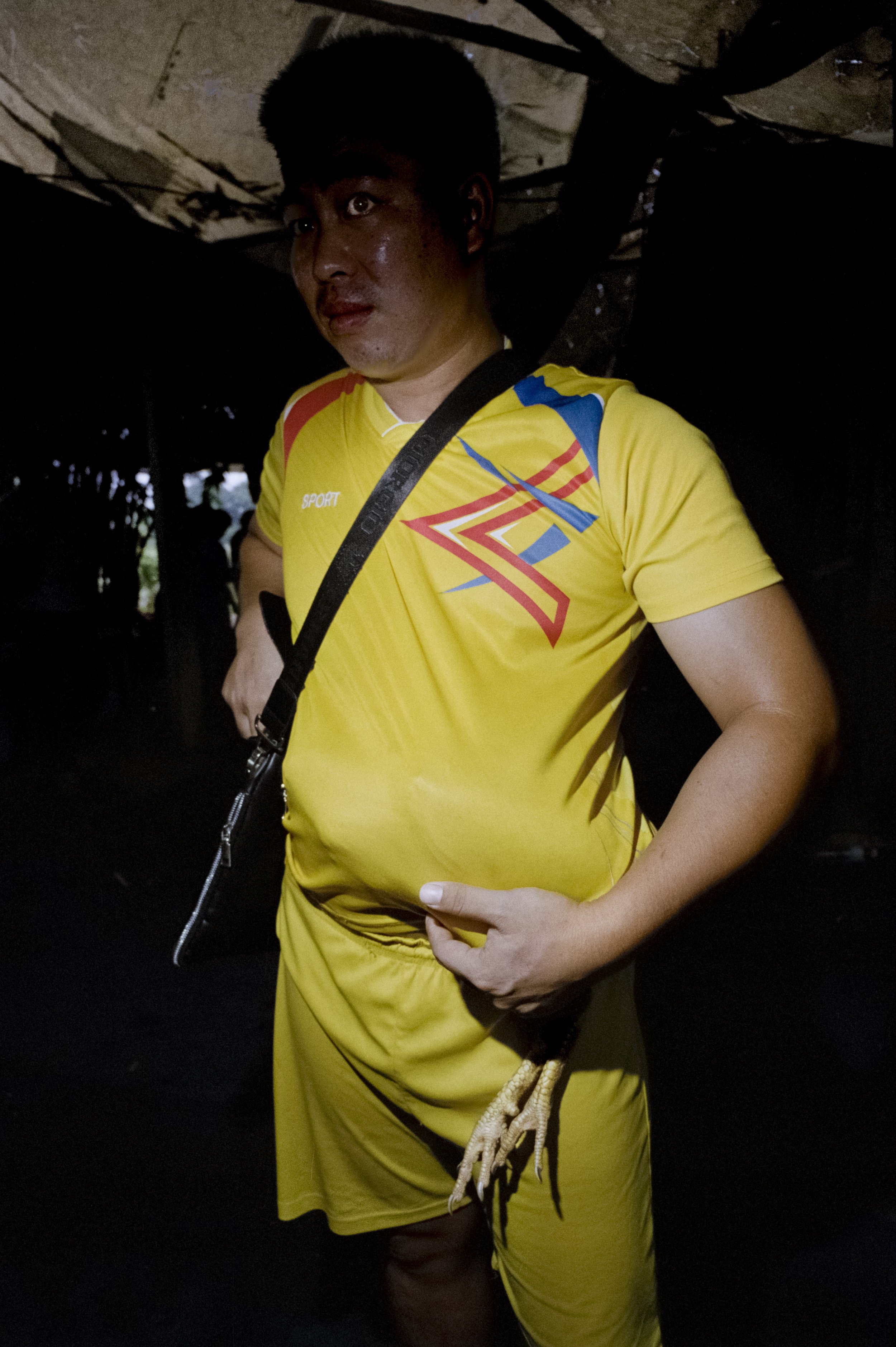

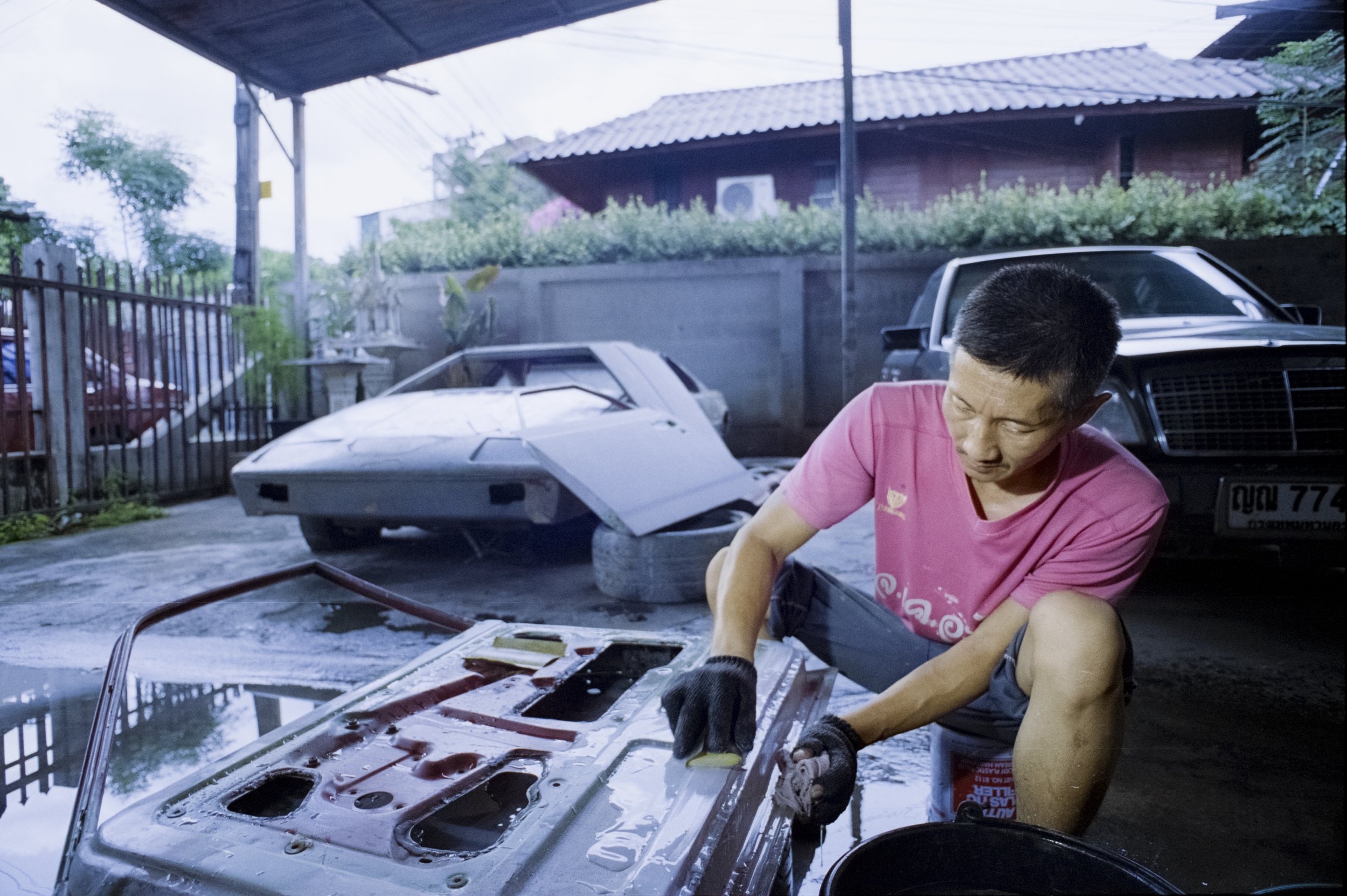
Coming from a background in street photography, it has allowed me to spend a significant amount of time with individuals whose lives might have remained hidden from our conventional media. Photography has always served as a means for me to intertwine my interest in people's behavior, backgrounds, and the representation of a reality that often goes unnoticed.
Before coming to Thailand, a friend who has been working there for four years now invited me to document the rich traditional heritage of the country. She had spent time in the past with important members of the Karen ethnic group while working on a documentary. She insisted that I would find in Thailand a profound and interesting subject to cover. I didn't have a precise vision of what to document overall, but I knew that I would find a direction while being there.
Personally, I have a particular interest in tattoos because I believe they always reveal a part of a person's unknown background, tradition, and more. They are pure identity marks on a human body. While searching for ideas to explore, it became clear to me that I had to document traditional Thai tattoos, specifically the sak yant, and visit ethnic communities to learn about Thailand's history, beliefs, and cultural heritage. I didn't see an immediate connection between these subjects, but it was interesting enough to me that I told myself I would give it a try to have a good overall picture of what is going on there.
While spending time with the Karen people, I discovered the significance of this ethnic group. These people, whose lifestyle is almost entirely off the grid and similar to how they lived hundreds of years ago, are the ones actively protecting the land of a country that is disputed due to economic interests. They tried to show me how they were connected with nature and how they are self-sufficient compared to modern society. After spending a significant amount of time with them, I returned to the city to cover traditional Thai tattoos. I decided to stick to my plan. I quickly realized the contrast between the lifestyle and traditions of Thai people and the Karen ethnic group. They still shared similarities: both are strong believers and have rich cultural heritages.
While documenting the traditional Sak Yant tattoo, I aimed to showcase how an ancient tradition adapts to modern society. I wanted to provide an authentic depiction of how a traditional tattoo session unfolds. As I spent more time in Chiang Mai, the place where I was primarily based, I gradually became acquainted with tattoo artists.
During this time, a fellow artist friend mentioned the need to document the 'Lanna Leg Tattoo' in a traditional Karen village. When I saw the images and learned more about it, I felt a deep connection between this new subject and what I had previously covered. It appeared to be the perfect link between tradition, ethnic groups, and tattoo art.
While navigating my way to meet everyone still involved with this tradition, I began to grasp the profound importance of the work I was undertaking.
I was accepted into this 'family' and learned from them the essence of this tradition. Initially, there was a lot of reluctance, with some thinking I might take advantage of them or that I didn't truly belong. However, the moment I showed them my commitment by getting a traditional tattoo on myself with their permission, they realized I wasn't just there to take pictures but to genuinely immerse myself and understand their culture.
I felt that every picture I took could very well be the last, considering there was only one Karen tattoo master in the world practicing this style. These photographs serve as authentic archives of a tradition that is on its last legs. My intention was not only to document the last master and his village but also nearly everyone involved in this tradition. I aimed to provide an objective and intimate portrayal of each person who bore these tattoos on their legs, each with their unique reality in modern society. What does it mean to carry this with you? Why did you do it? What was it like when you did it? These were all aspects I sought to represent.
This project offers a unique opportunity to immerse ourselves in a culture that is not widely known or understood. We all believe in the importance of preserving culture, and in this case, where concrete actions to help may be limited, I believe that learning from these archives, simply remembering those who carried these traditions and cultures, and raising awareness is the most impactful contribution we can make. The power of not forgetting should never be underestimated.
"© [RAOUL FORTIER-MERCIER] [2023]. All rights reserved. The content within this project, unless otherwise specified, is the intellectual property of [RAOUL F. MERCIER]. Any unauthorized reproduction, redistribution, or modification of this project without express written permission is strictly prohibited."