Gracias a dios
Today, March 27, 2026, marks four years since El Salvador has been living under a state of exception.
A measure that was initially presented as temporary has since become an enduring reality for an entire country.
Over the past few months, I have been trying to understand what this truly means. Recently, I traveled to El Salvador to immerse myself in this reality and listen to the stories of families living with the serious and traumatic consequences of this measure.
For a long time, these stories remained outside my field of vision, much like that of many media outlets that now speak very little about these realities. They entered my life recently, by choice, and I am still learning to grasp their complexity.
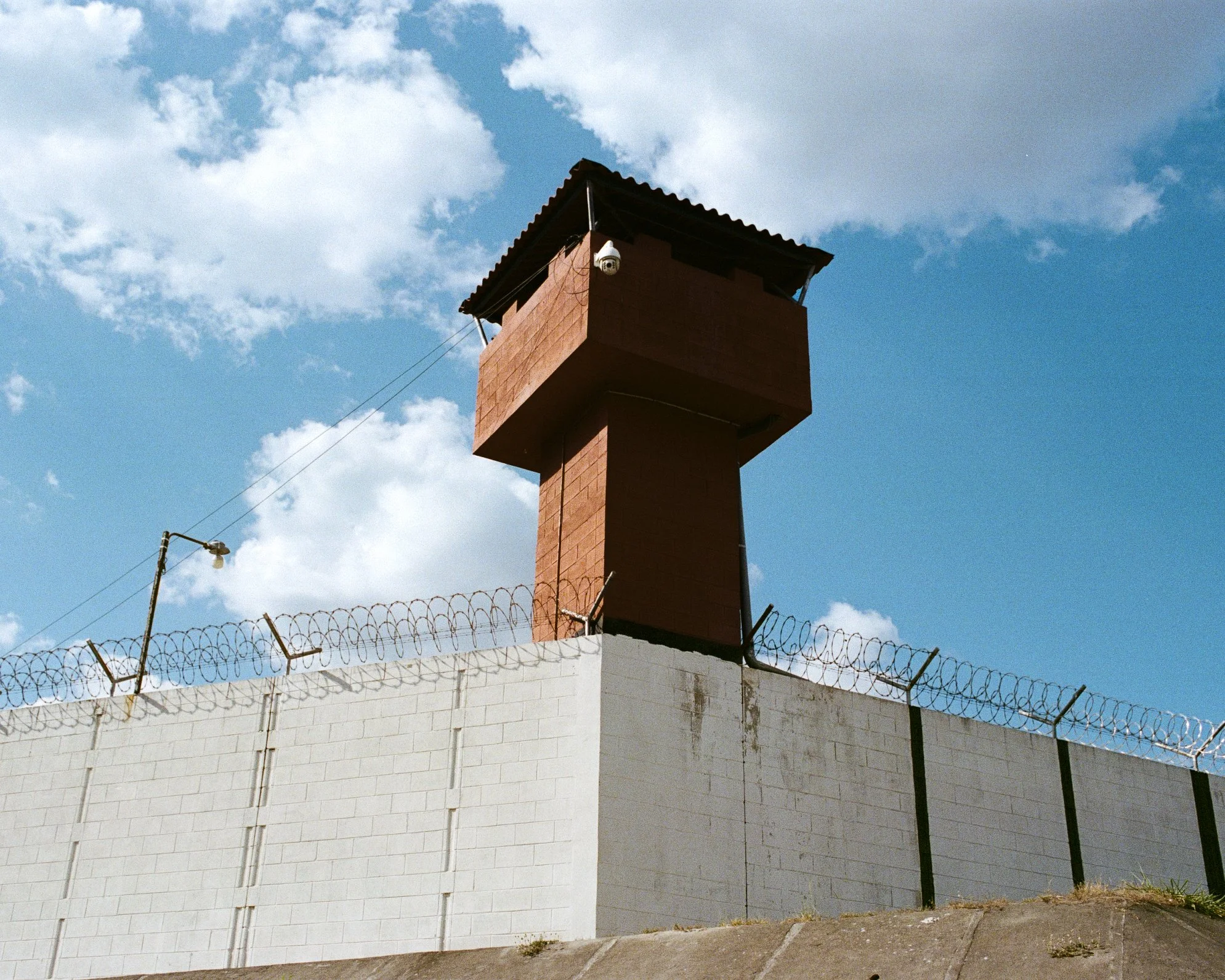
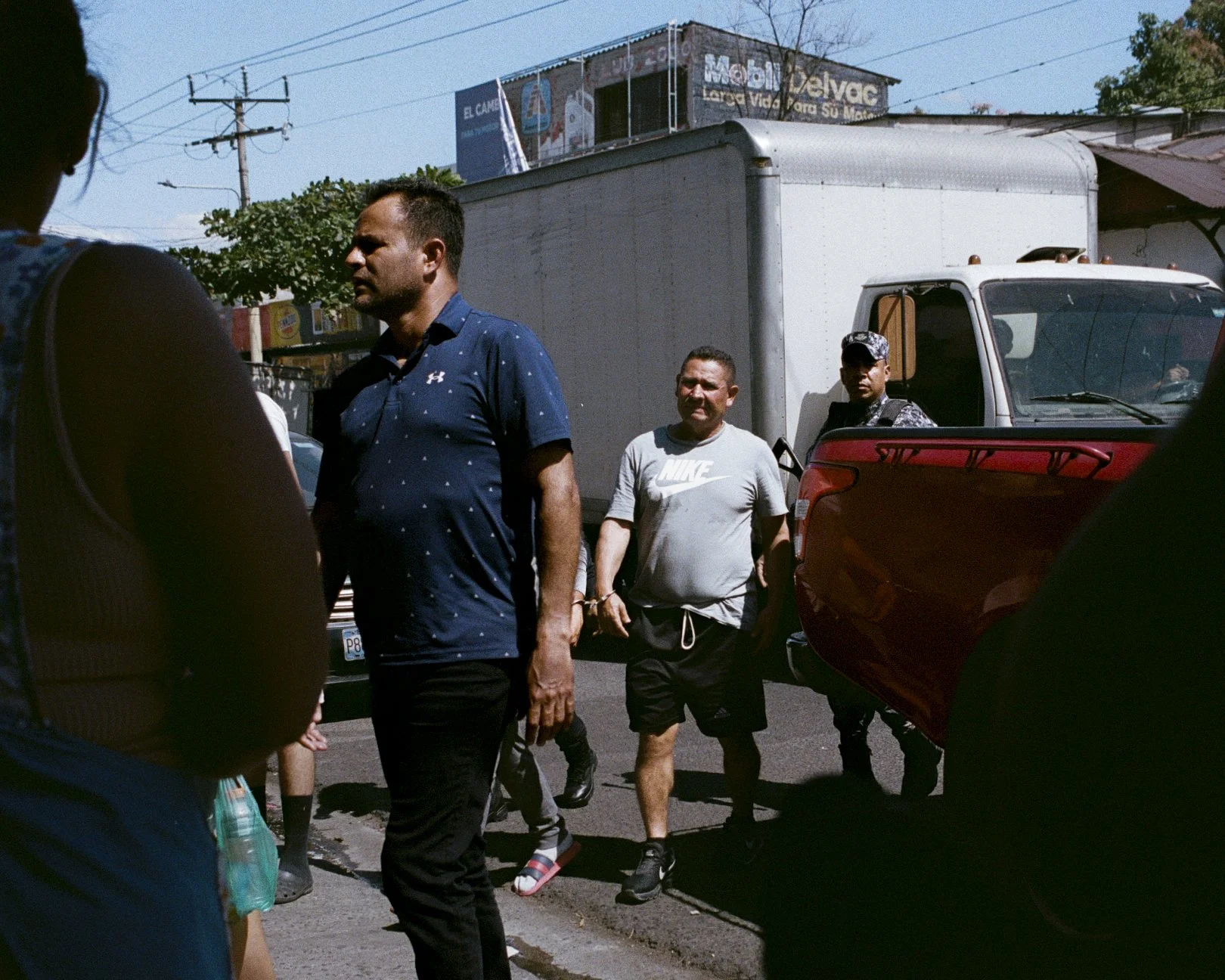
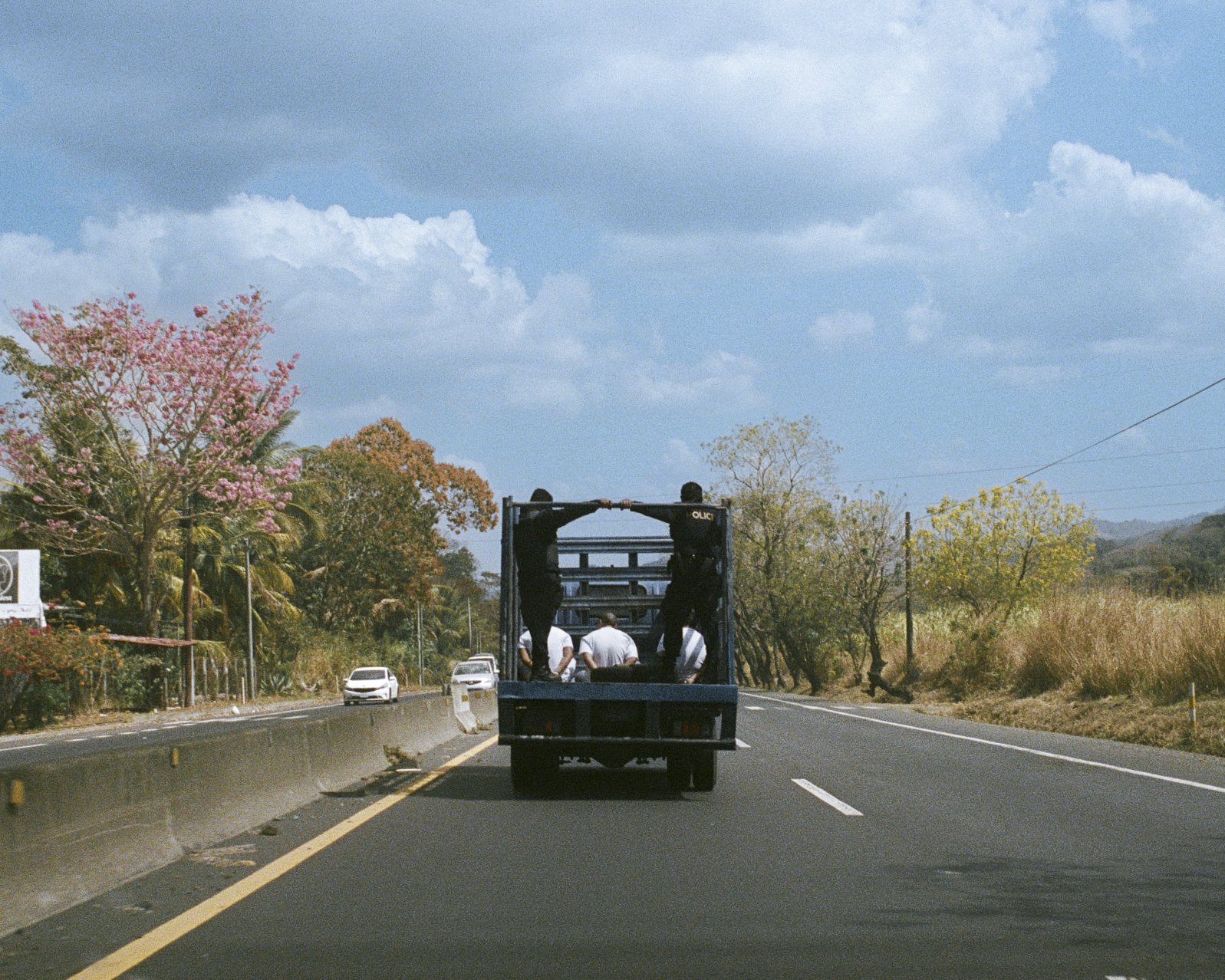
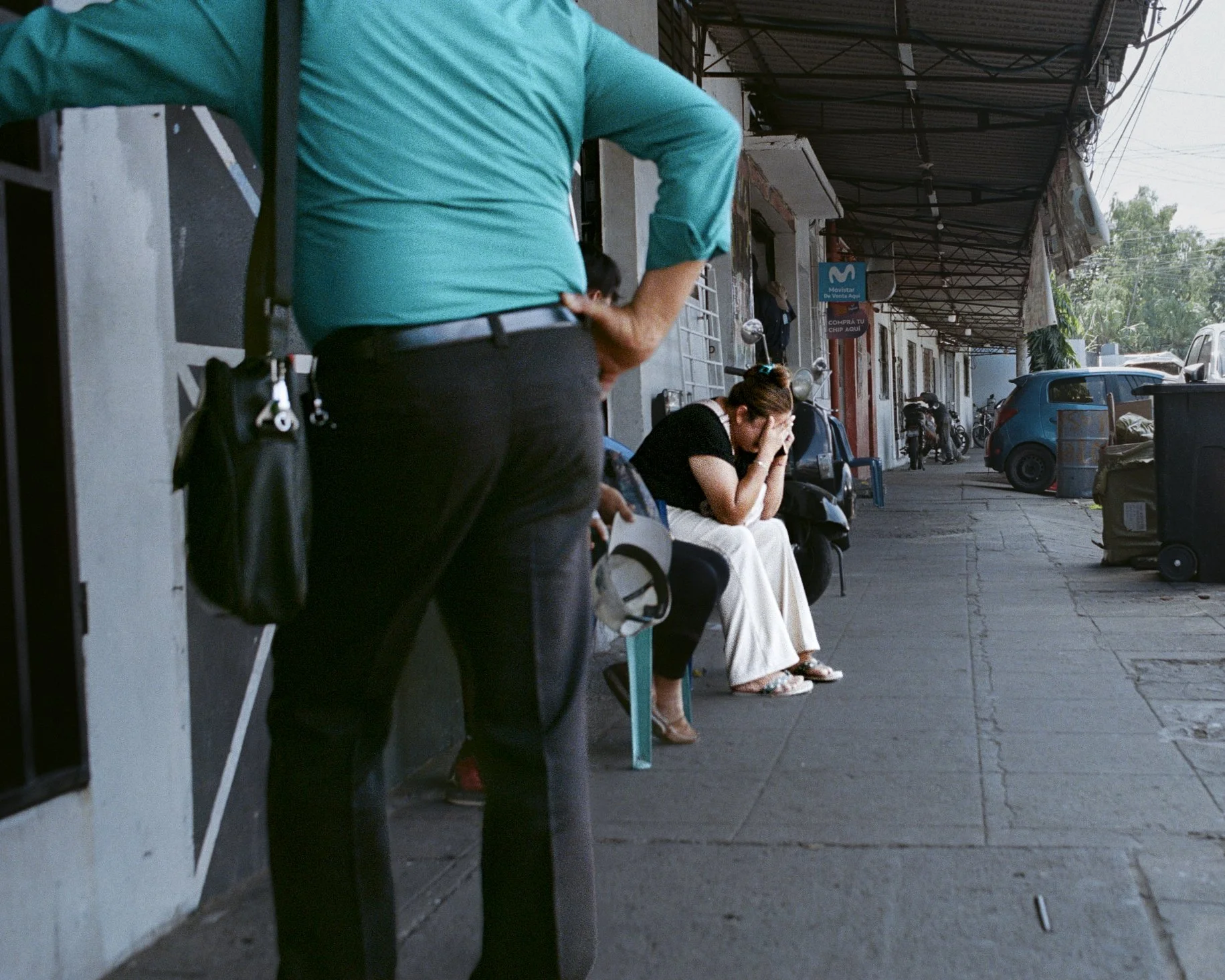
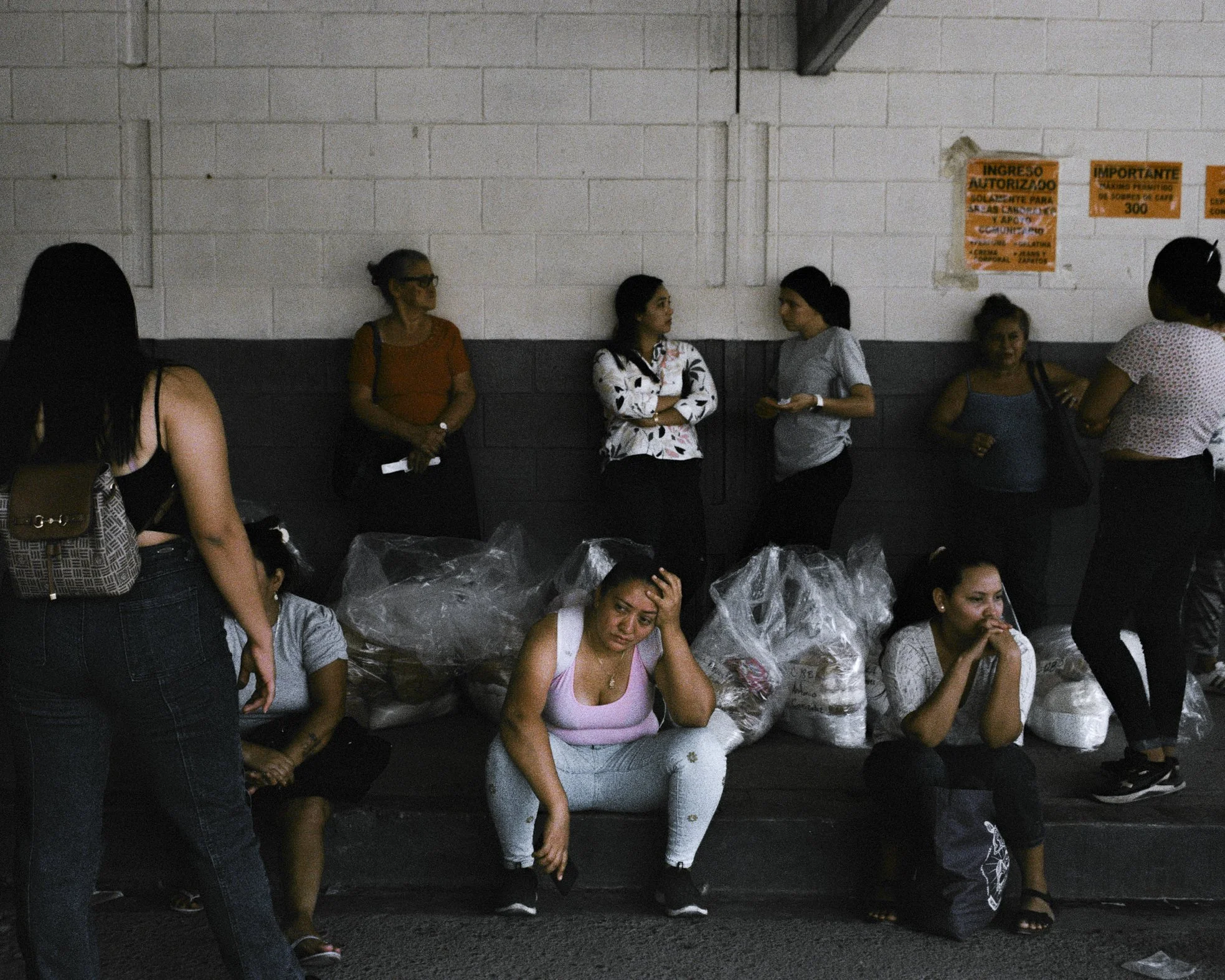
El Salvador’s political and social landscape has dramatically shifted following the government’s large-scale crackdown on gangs led by President Nayib Bukele. For years, organized gangs such as MS-13 and Barrio 18 held strong influence in parts of the country, contributing to widespread violence and insecurity. In March 2022, after a surge in homicides, the government declared a state of exception and launched a massive security operation.
While many Salvadorans welcome the sharp decline in violence and the return of a sense of safety, others are alarmed by the authoritarian drift of this strategy. Tens of thousands of people have been arrested, sometimes without clear evidence, leaving many families in uncertainty. Today, the country appears divided between relief at the restoration of security and concern over the long-term erosion of fundamental freedoms.
El Salvador Under State of Exception
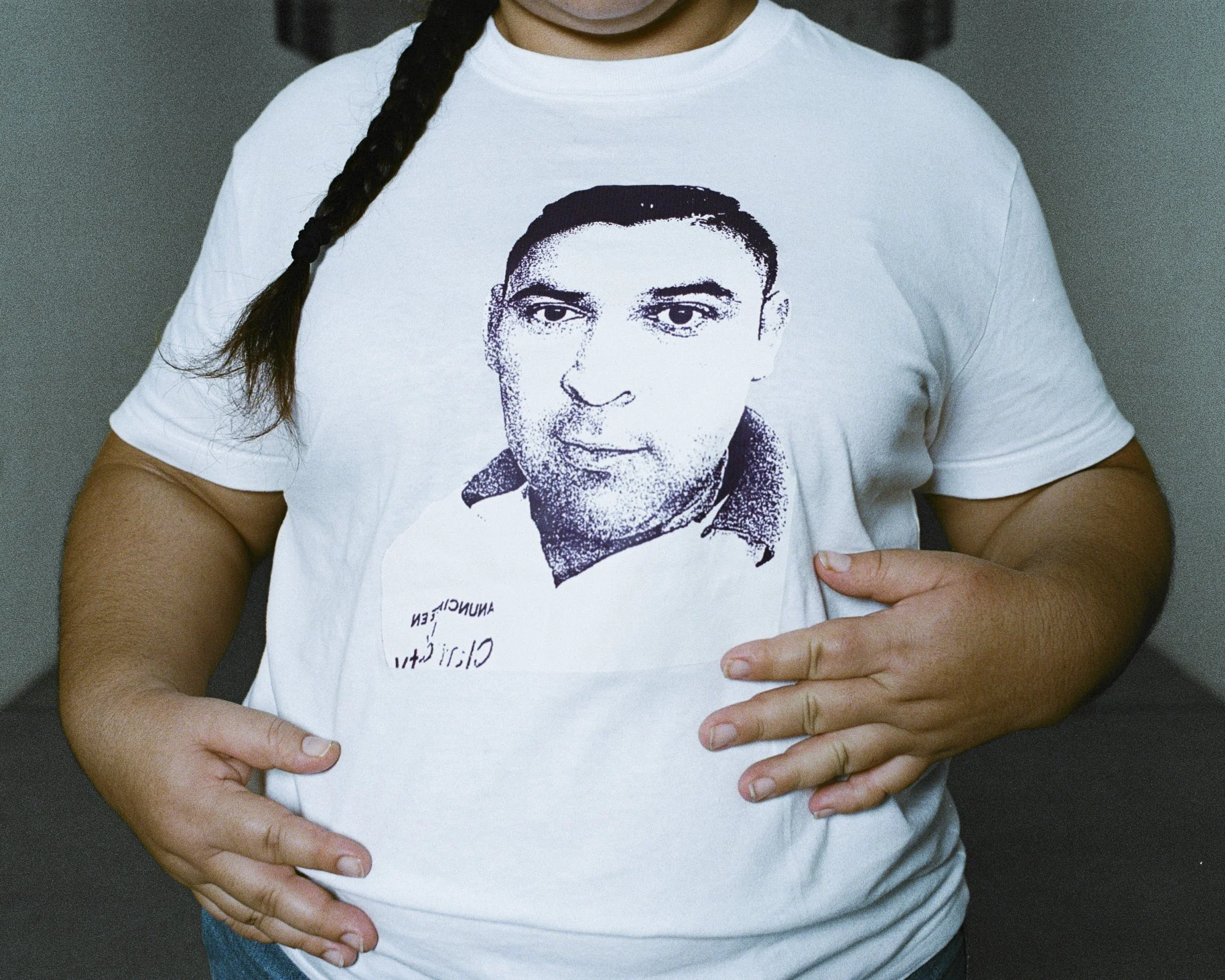
The Silence It Leaves – An Everyday Story
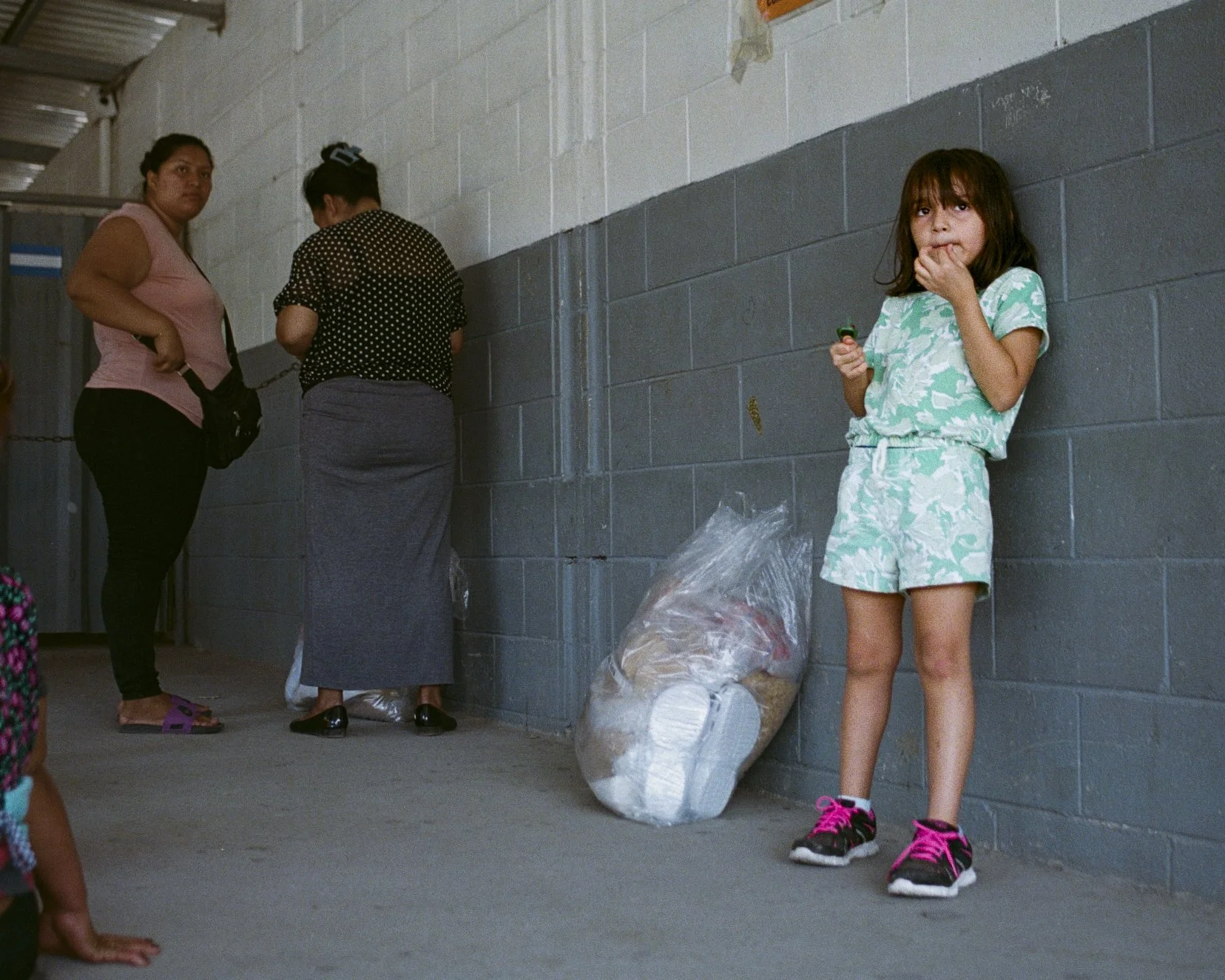
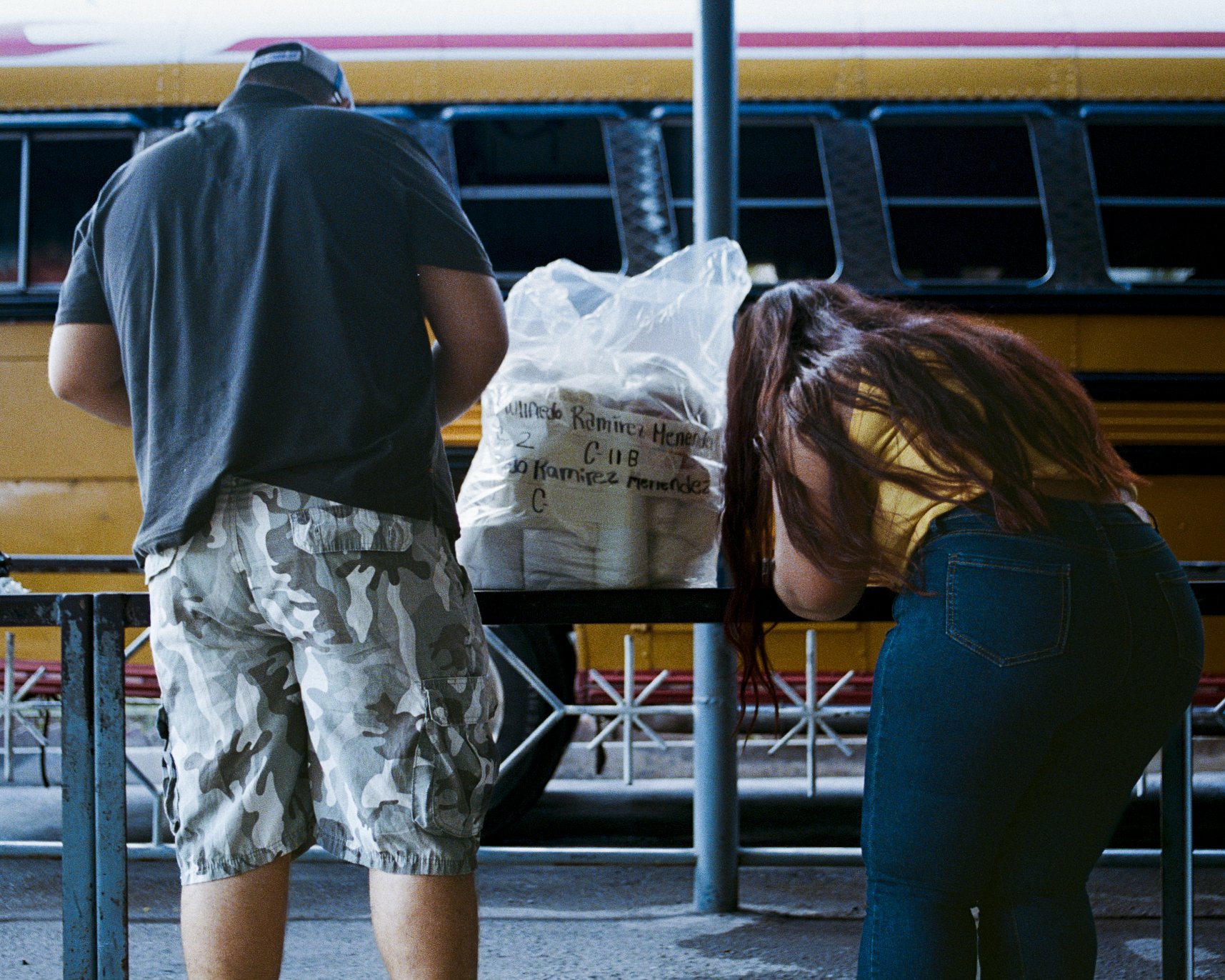
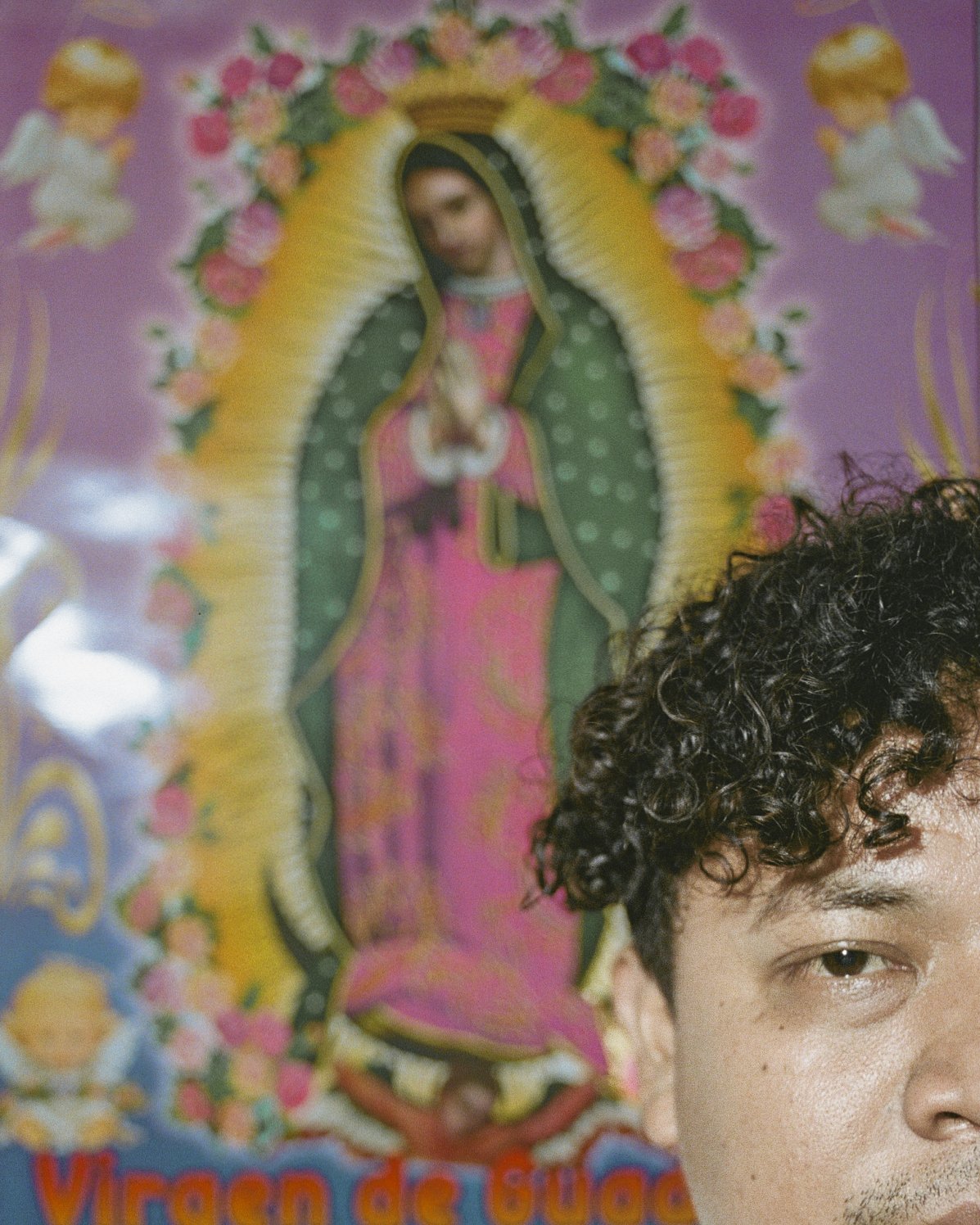
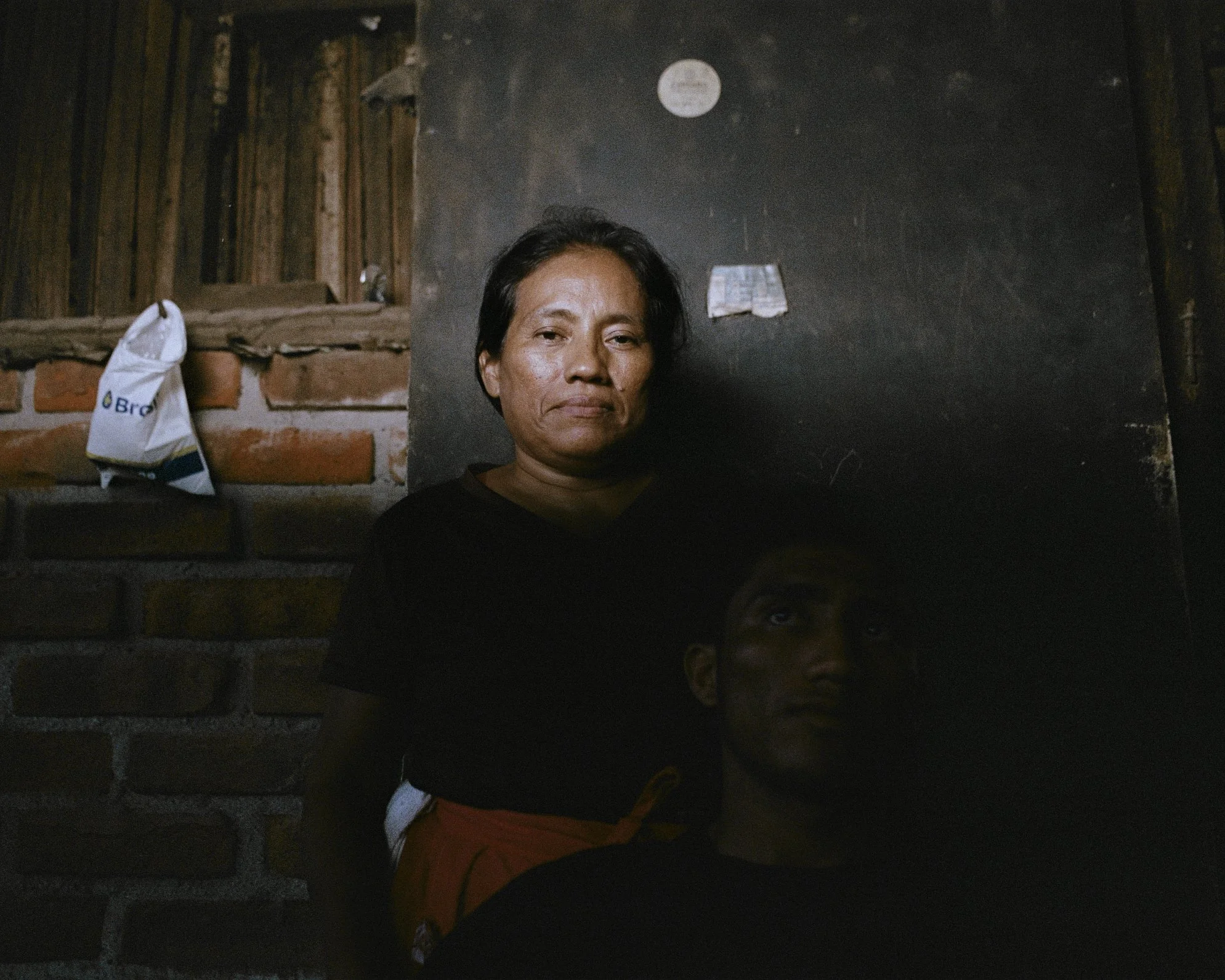
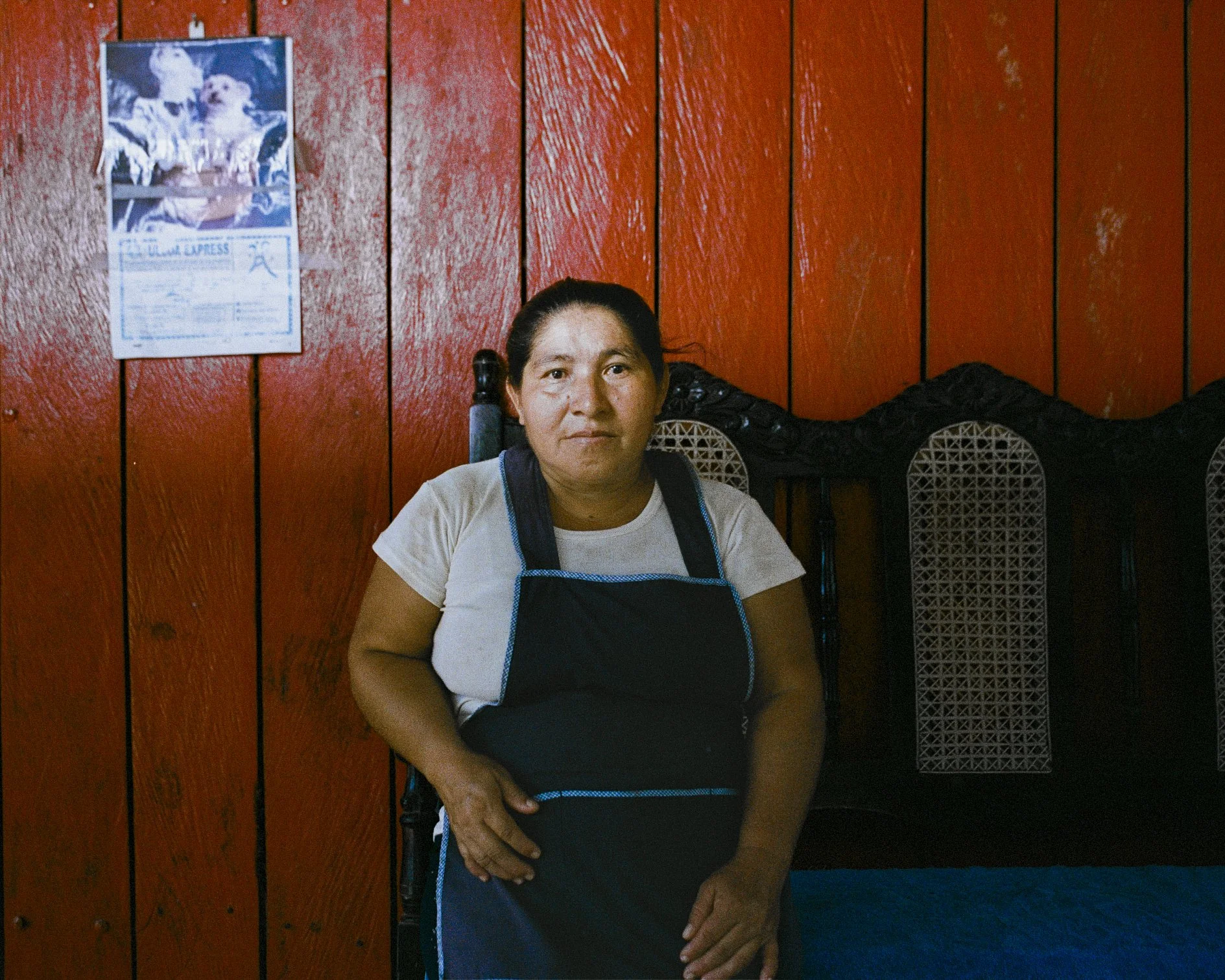
Here are the stories of the broken families I met during my research in El Salvador. These people welcomed me into their lives and revealed a side of the country rarely seen, the quiet rhythm of daily life under the silence that has settled since 2022.
For those who agreed to speak and show their faces, their courage reveals the strength of their conviction in a country where speaking out carries serious risks. Even as life has changed with a noticeable drop in gang-related violence, many innocent people find themselves caught in a vortex: accused or reprimanded for things they had no part in, forced to keep a low profile every day because of the pervasive fear of punishment for speaking the truth or exposing reality.
-
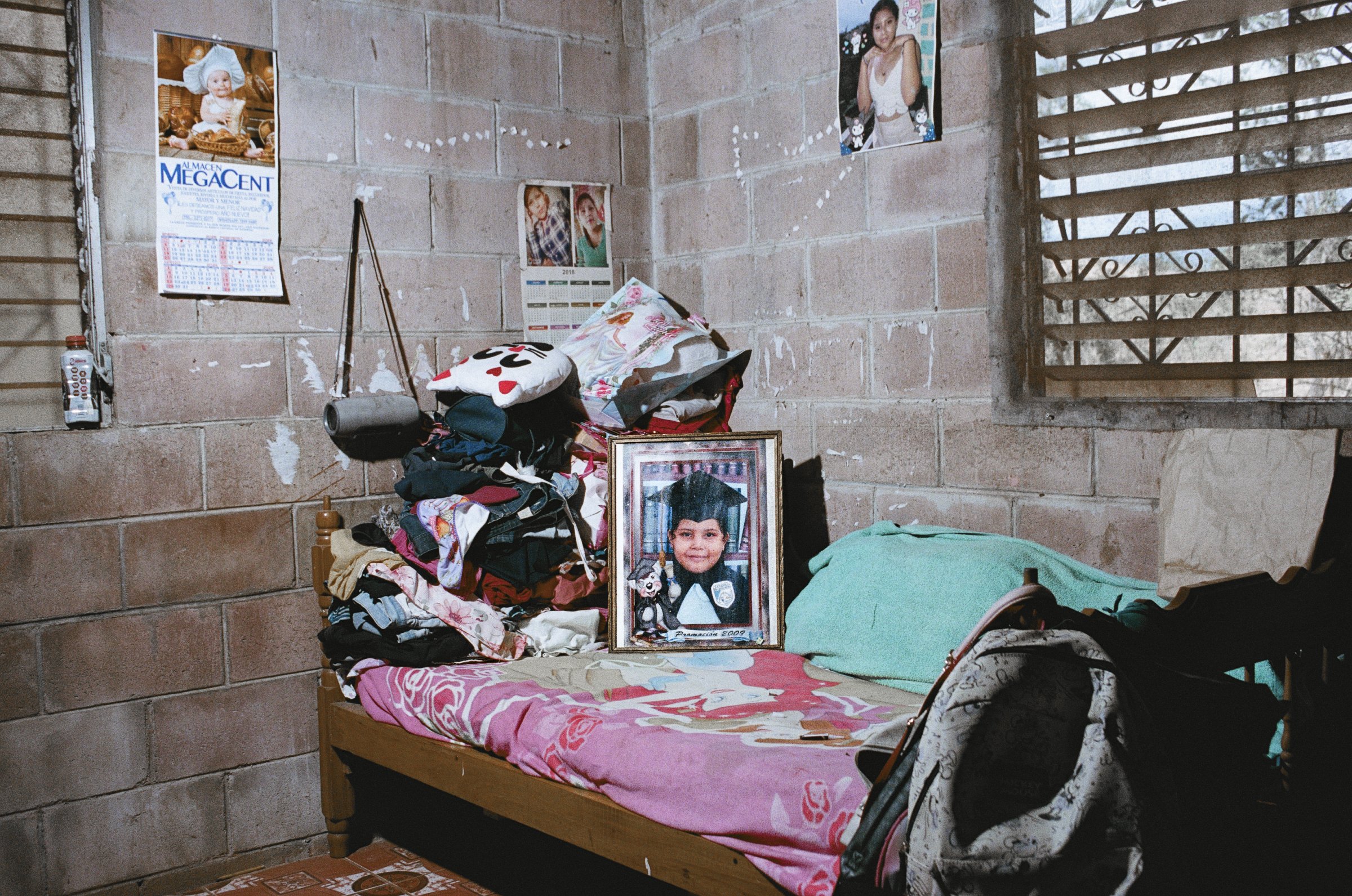
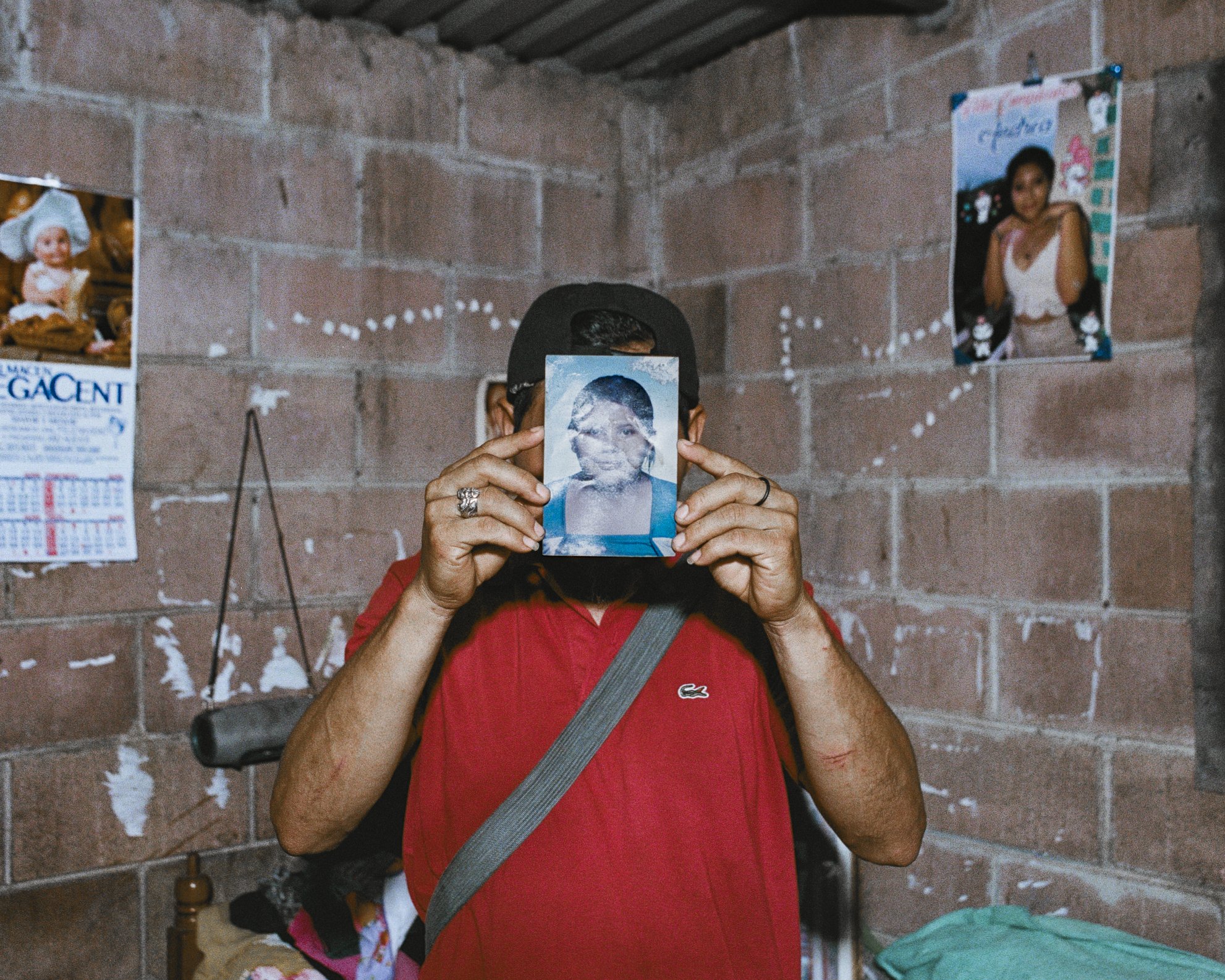
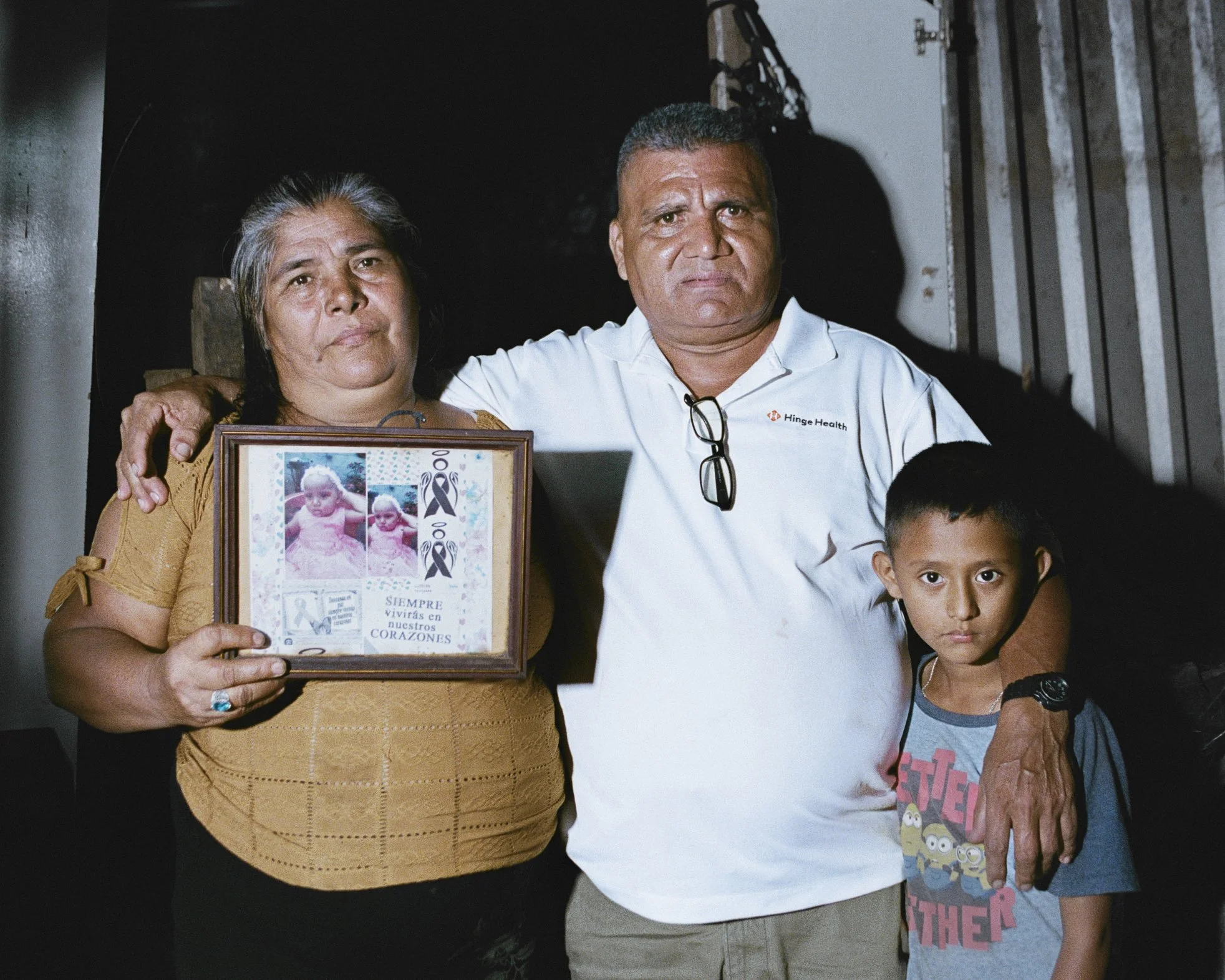
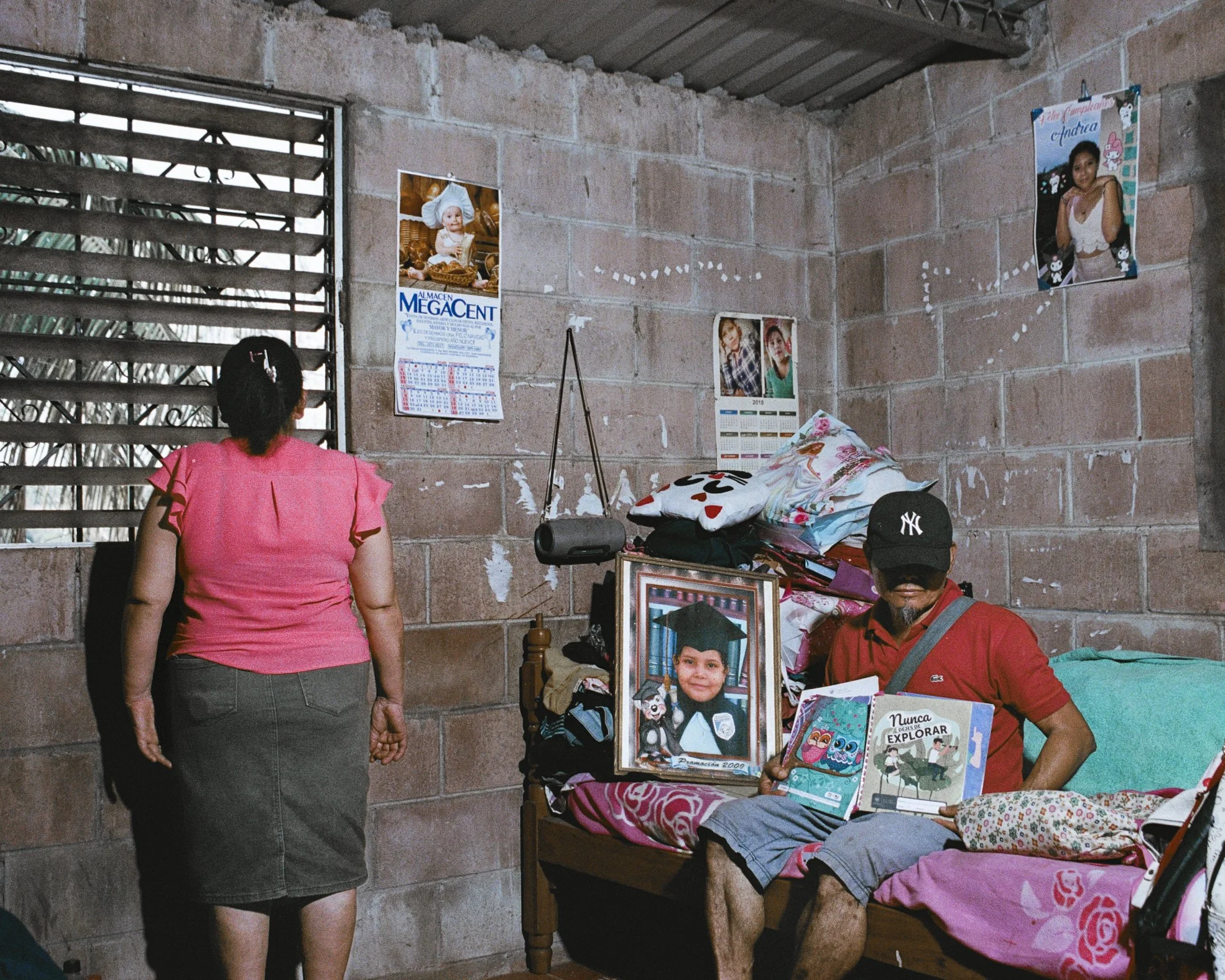
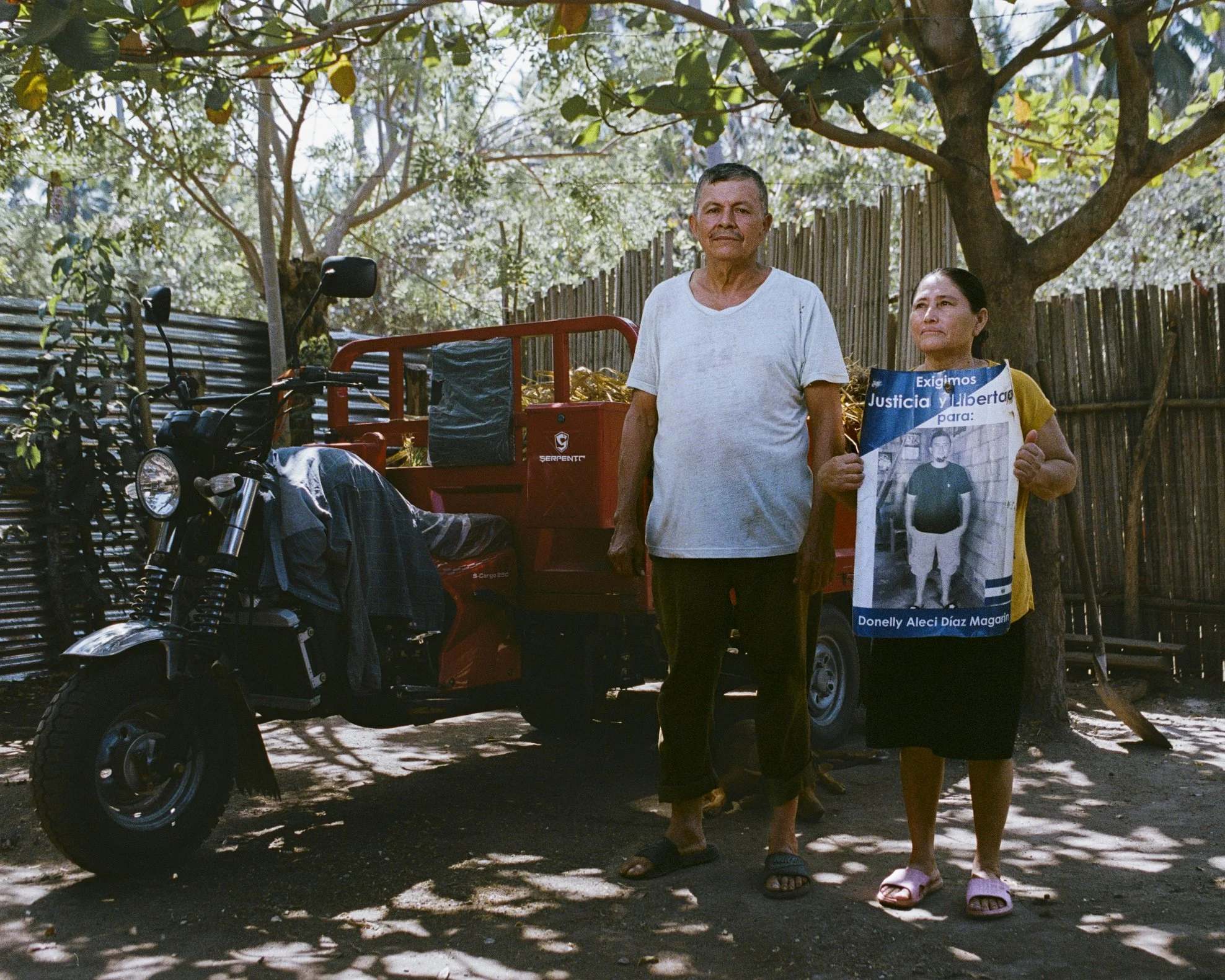
Karen Abigaíl Escobar was 21 years old when she died in April 2025 while in detention under El Salvador’s state of exception. Her family says she was arbitrarily arrested in April 2022 and that they were never informed of any clear charges against her.
The last time her parents saw her was about a month before her death. They spotted her from a distance at San Juan de Dios Hospital in Santa Ana, handcuffed and under guard. According to them, she did not appear seriously ill. They were not allowed to approach her. They could only hand her a drink before leaving, afraid that speaking to her might cause problems.
Weeks later, they received a call asking them to identify her remains. Officials told them she had died from an infection, but the family says they were never given detailed information about her condition or the treatment she received. Her coffin was sealed before being delivered to the funeral home, and they were never able to see her one last time.
Today, Abigaíl’s bedroom remains untouched. Her bed, stuffed animals, notebooks, and photographs are still exactly where she left them. For her parents, the room has become a place where memory lives on.
They welcomed me into their home with open arms. I am always struck by the kindness of people who open their doors and share their stories with someone they have just met. Their home is their safe space, and yet they chose to let me enter it.
It was a deeply moving moment. During our conversation, I felt that Abigaíl’s father was trying to hold back his emotions. Her mother could not speak about what had happened. The pain was still too present. While I spoke with her husband, she moved quietly in and out of the house behind me. I later understood that she was stepping outside to cry.
Even standing close to their story, it is impossible for me to fully grasp what their everyday life must feel like now. Living with the loss of a child, a daughter, taken away so suddenly and unjustly. You start asking questions that have no answers. Why you? Why your family? Is there any reason that could explain it? Most of the time, there is none. Life simply continues around you, and that can feel almost impossible to understand.
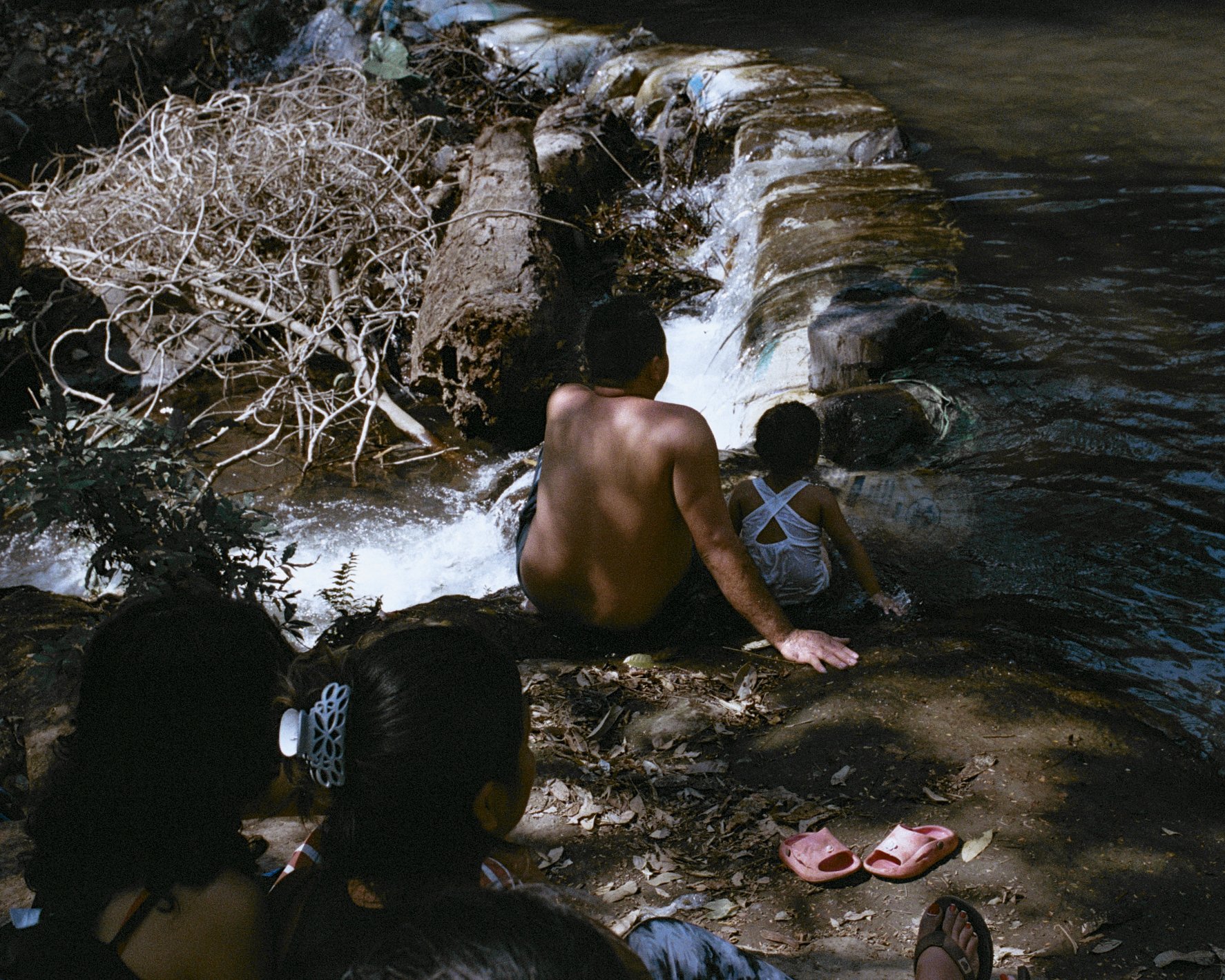
After our conversation and the photographs, Abigaíl’s father suggested we take a walk. He wanted to show me a nearby river. As we walked, the atmosphere slowly shifted. It reminded me how difficult it must be to carry a trauma like this while life continues around you.
When we arrived, families from the community were gathered by a small waterfall, a local place where people come to relax. Children were playing in the water, parents laughing together in the afternoon light. I noticed Abigaíl’s father quietly watching them.
He stood there, looking at the families, and simply smiled.
It was a calm moment, almost peaceful, and I will remember that scene forever.on text goes here
-
A Community Under Pressure
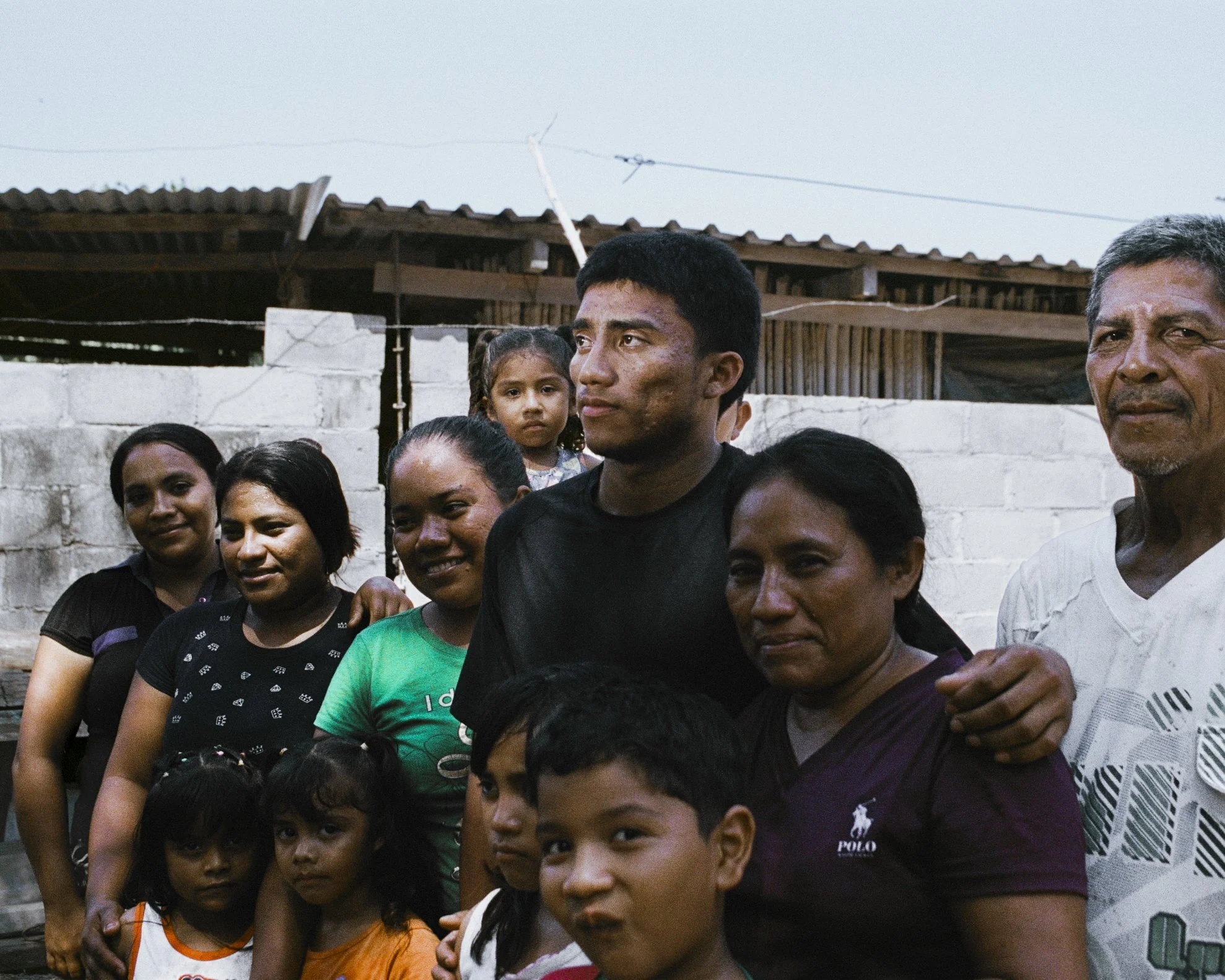
Between May 2022 and April 2023, twenty-five residents of Isla Espíritu Santo were arbitrarily arrested during six military and police incursions. Twenty-two of these arrests occurred on the island itself, and three took place on the mainland as boatmen returned from work.
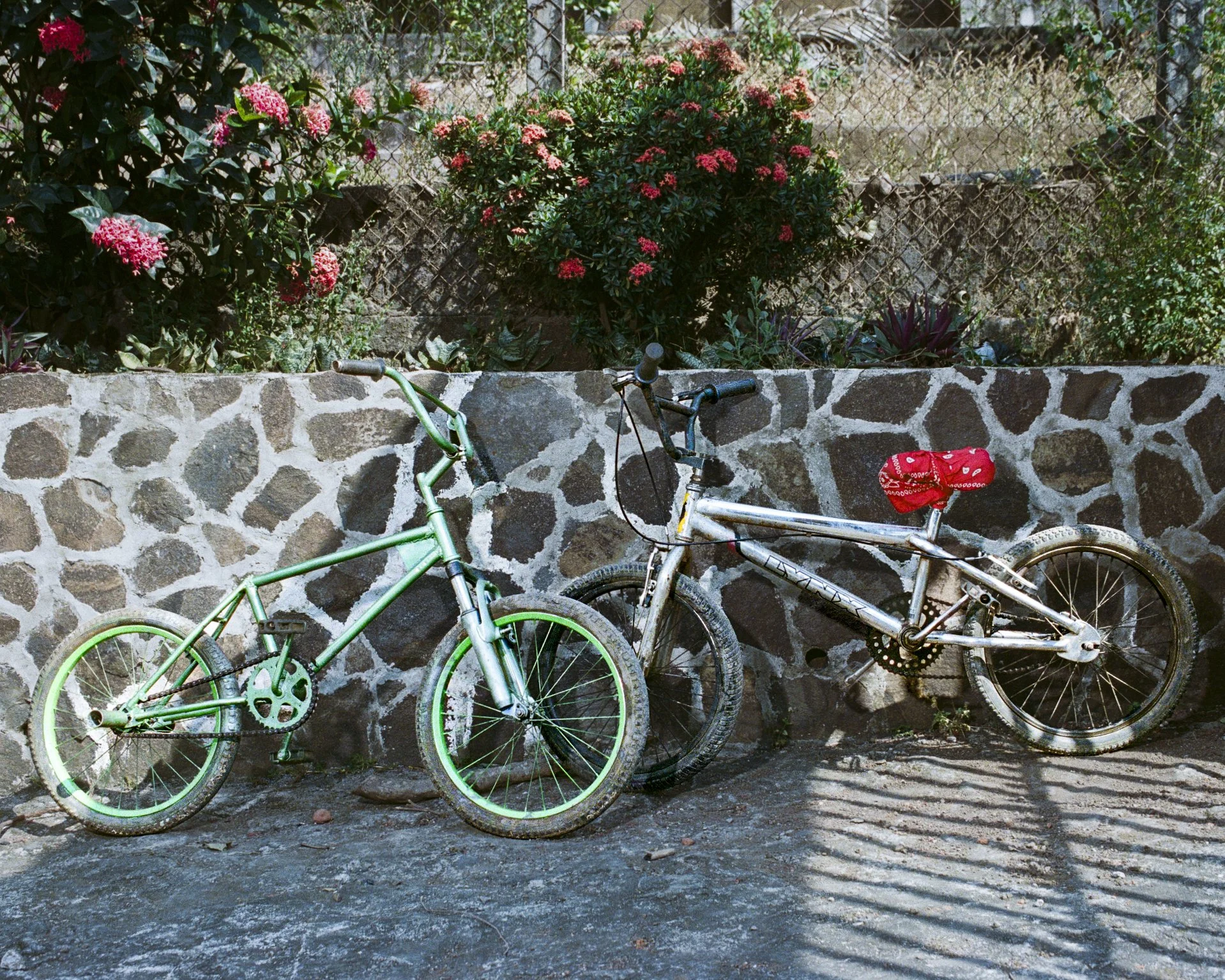
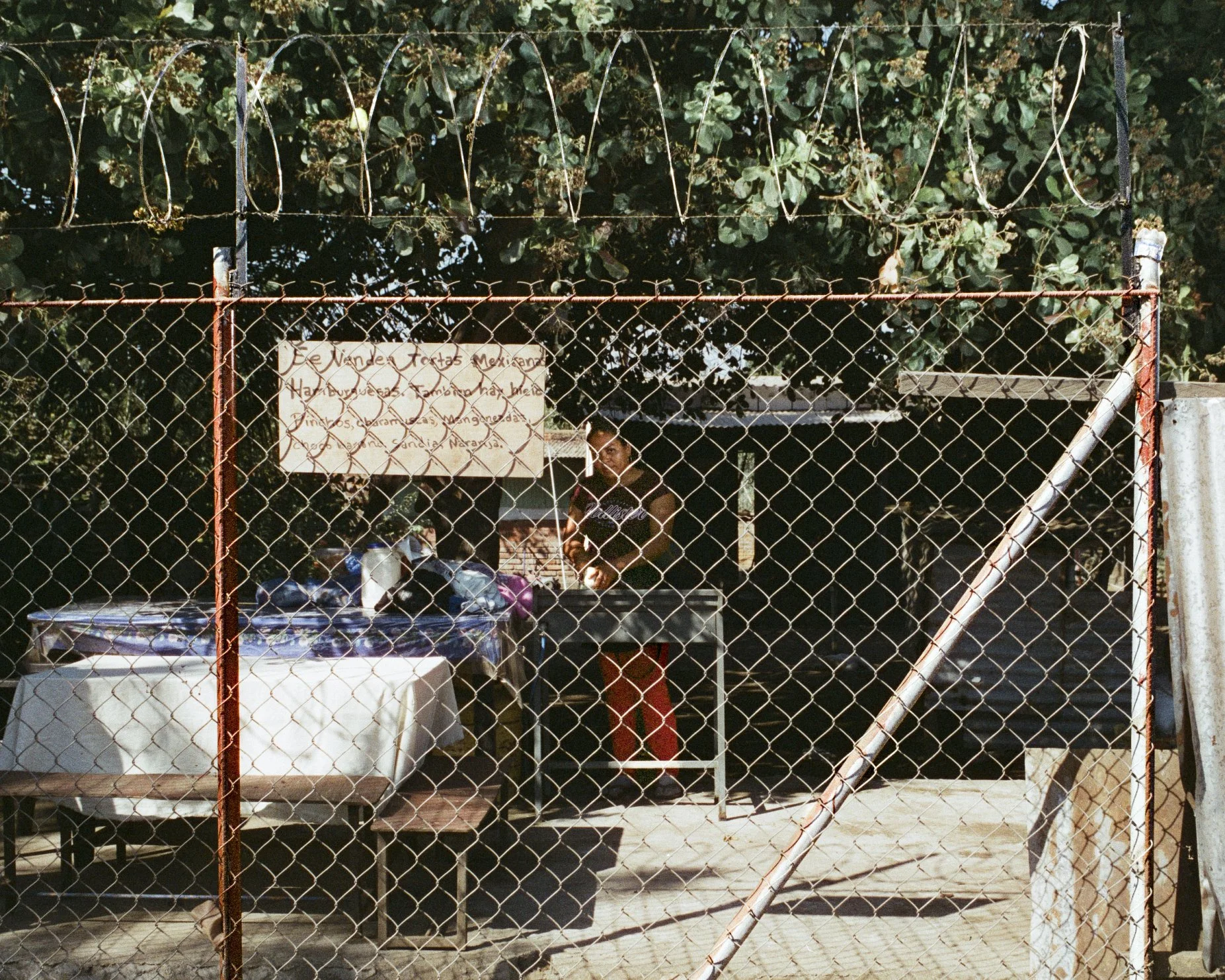
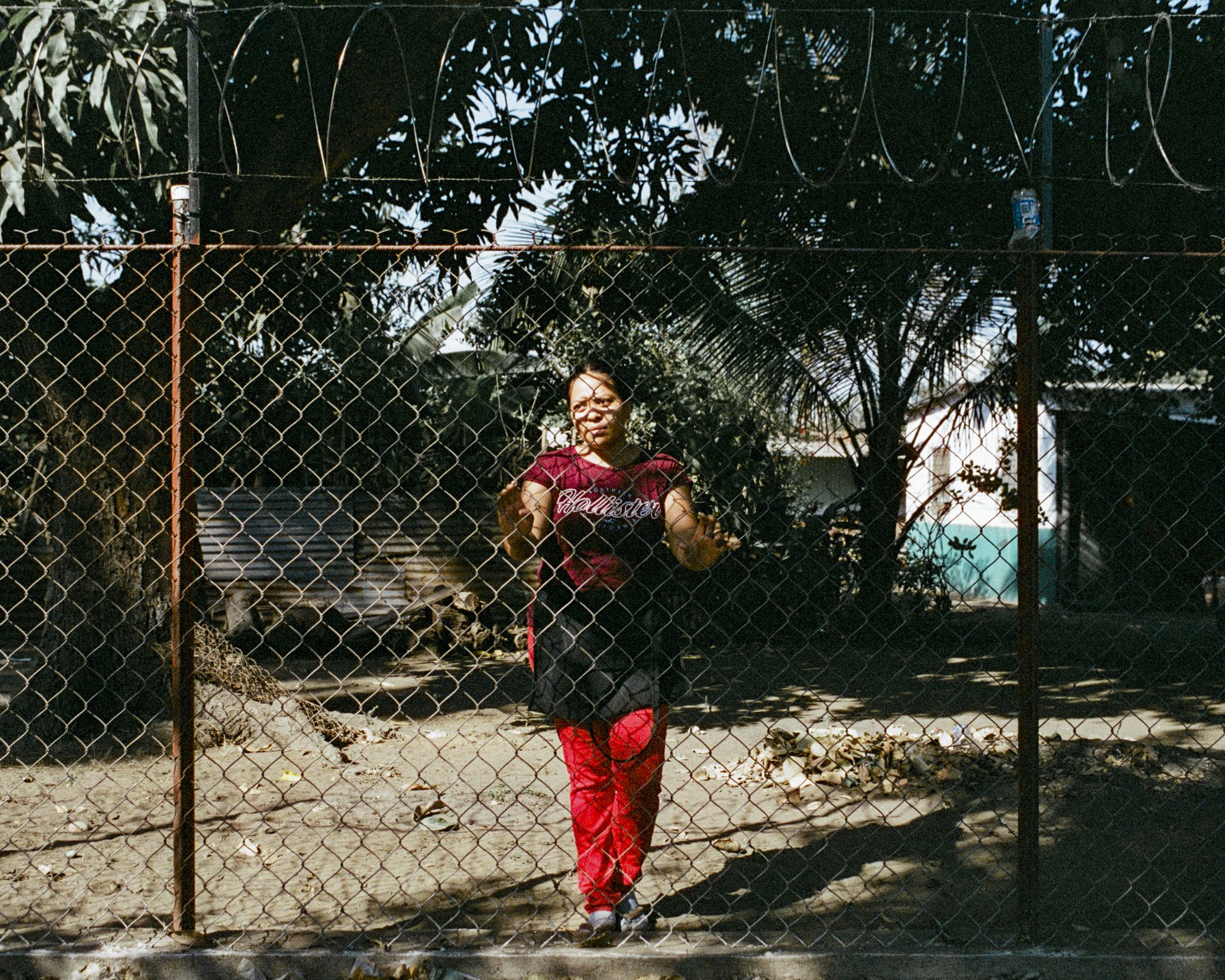
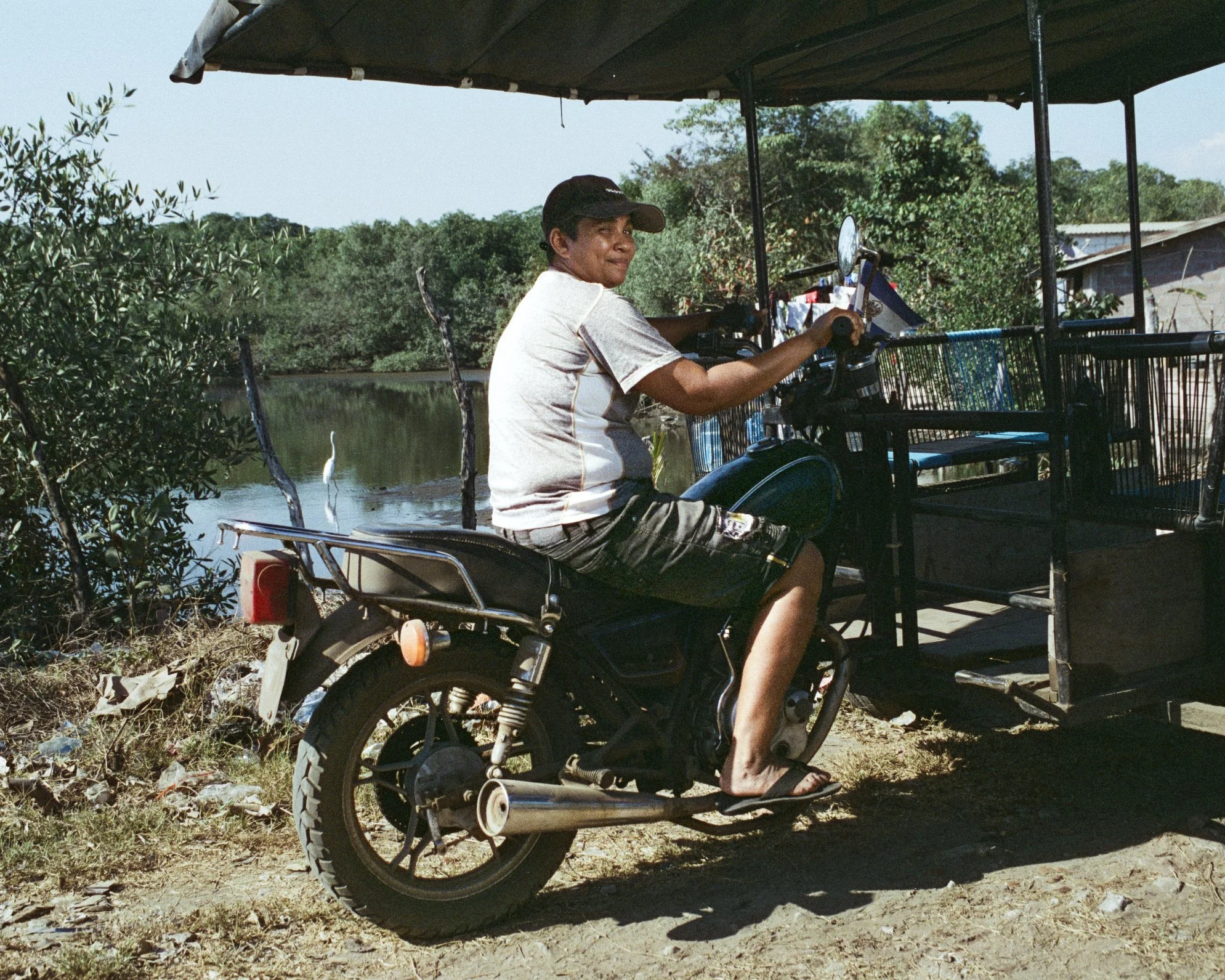
The island is unique in El Salvador because it has no gang presence, long-standing community security measures, and a history of agrarian reform that granted most residents land and membership in the Coconut Cooperative. Around 350 families live there, many for decades, forming a tight-knit community where everyone knows one another. For twenty-five years, the Centro de Intercambio y Solidaridad has supported the island with programs in women’s empowerment, leadership, environmental projects, and emergency aid. The island has historically been a safe place, with homes left open, bicycles and motorcycles unlocked, and no need for metal bars or walls, a stark contrast with many mainland communities.
Yet even here, the Regime of Exception has reached them. Arbitrary arrests affected people with no gang affiliation, including students threatened on the mainland and vulnerable individuals caught up in internal disputes, jealousy, or mistaken identity. Legal support and public testimony have helped some residents defend themselves, but the community continues to live under a daily shadow of fear. Since 2022, silence has become the quiet rhythm of life on the island.
-
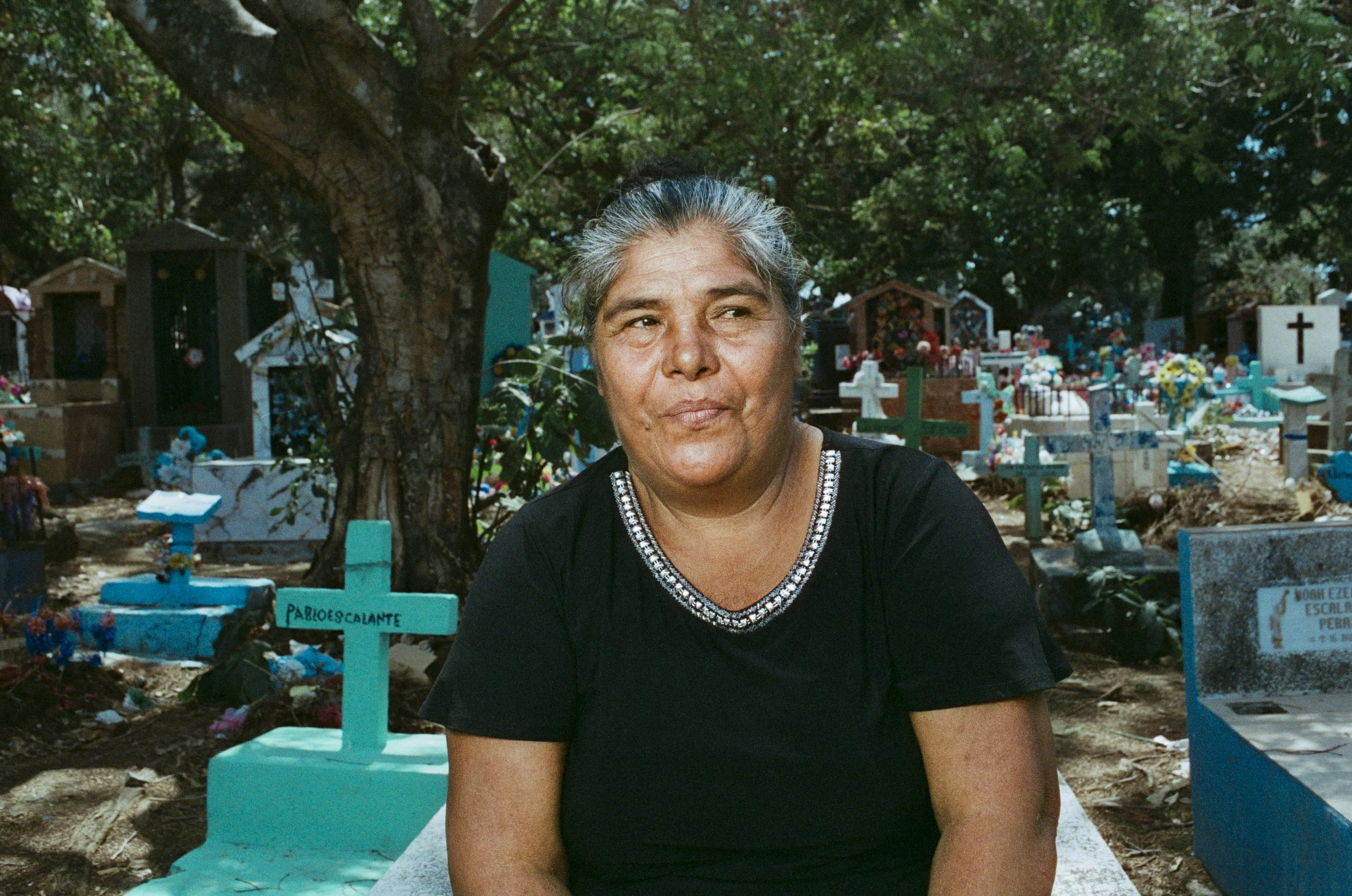
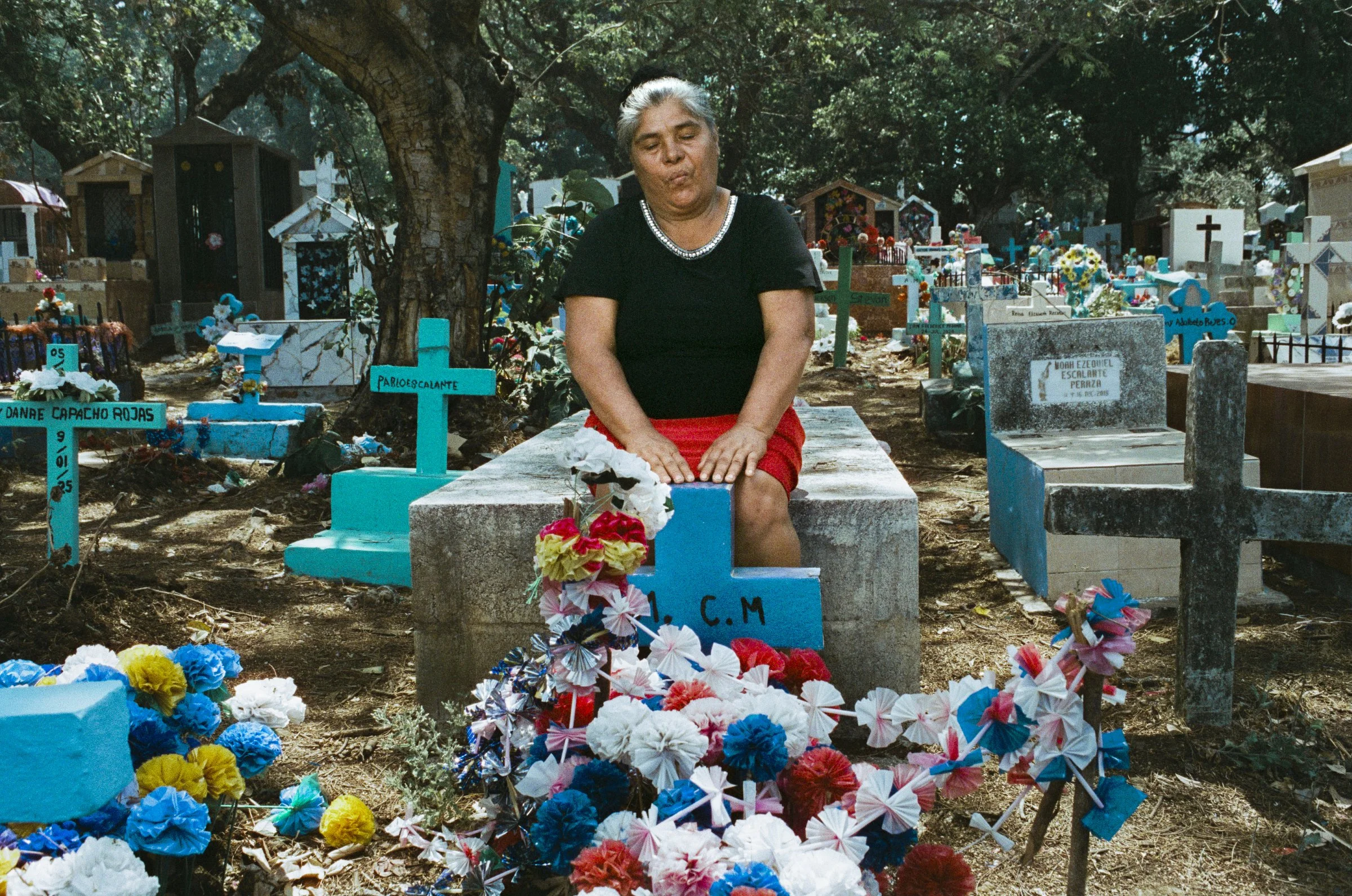
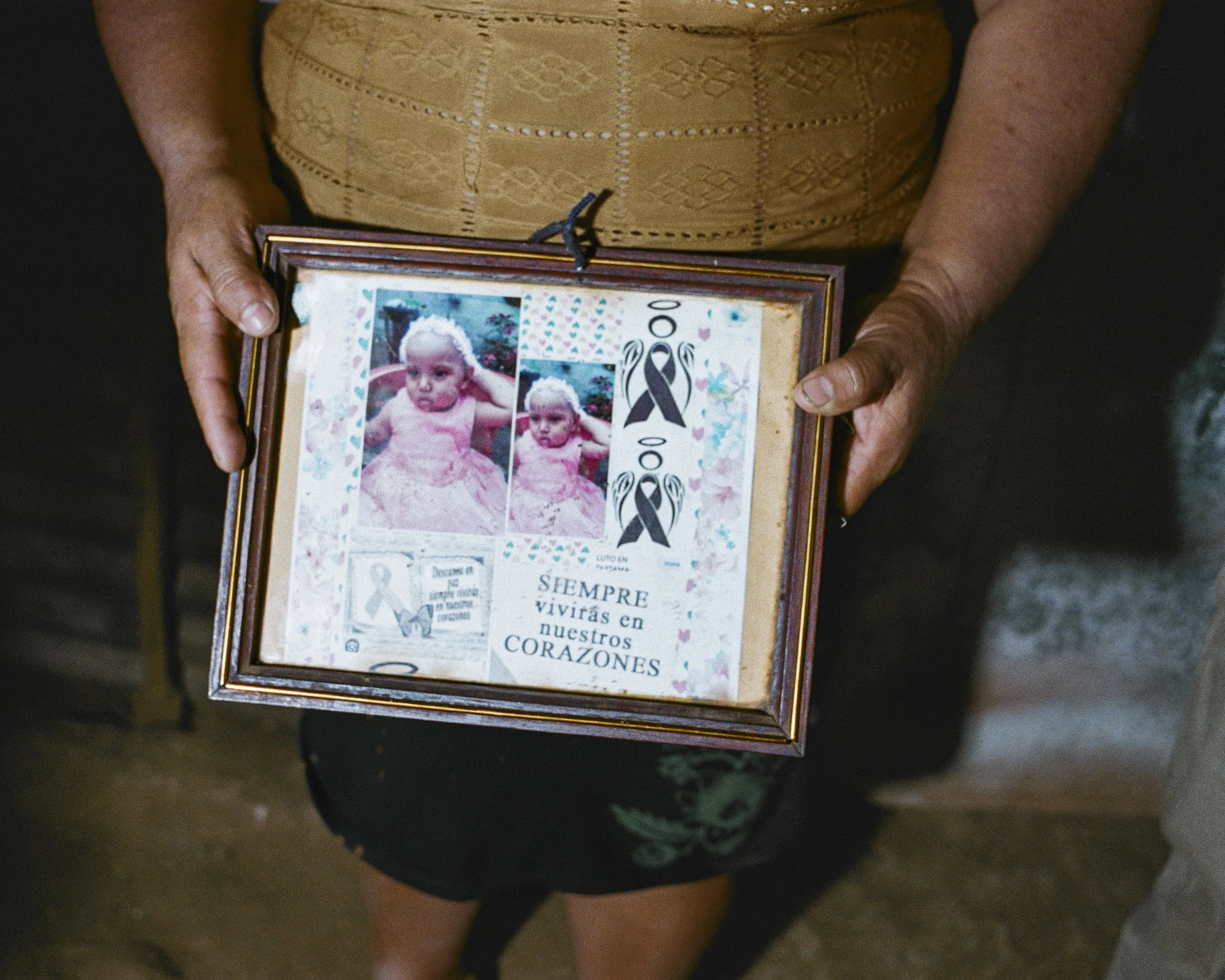
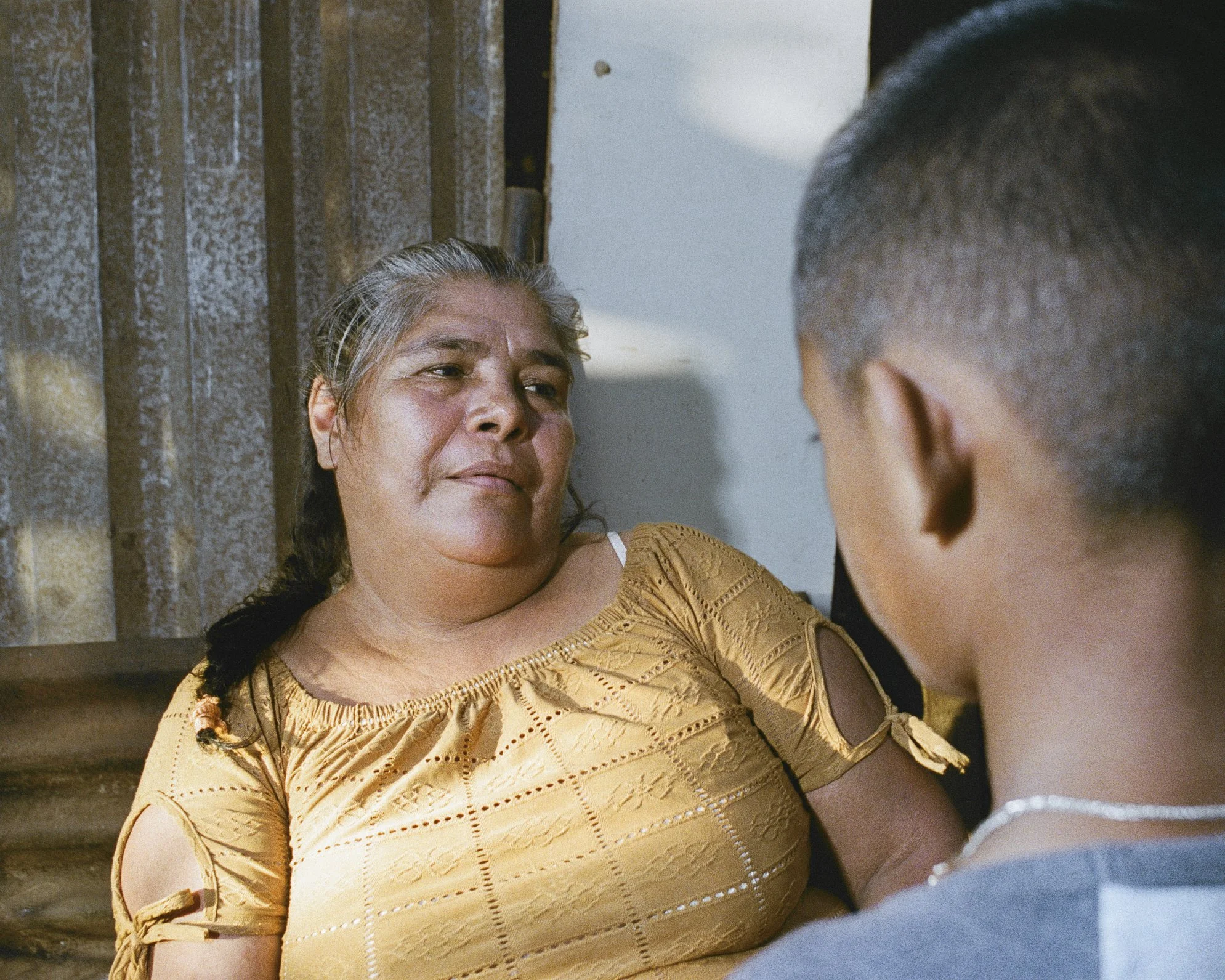
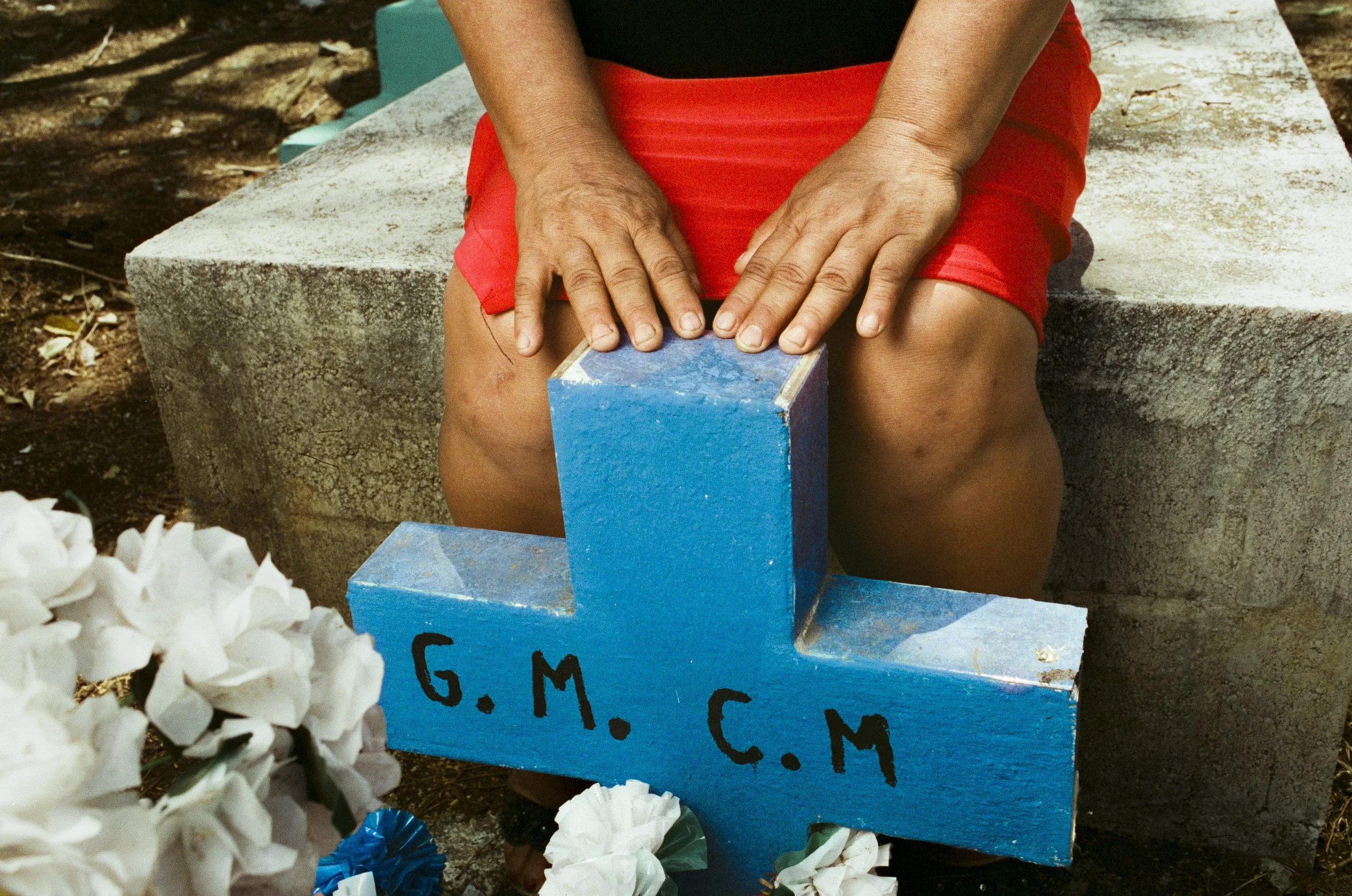
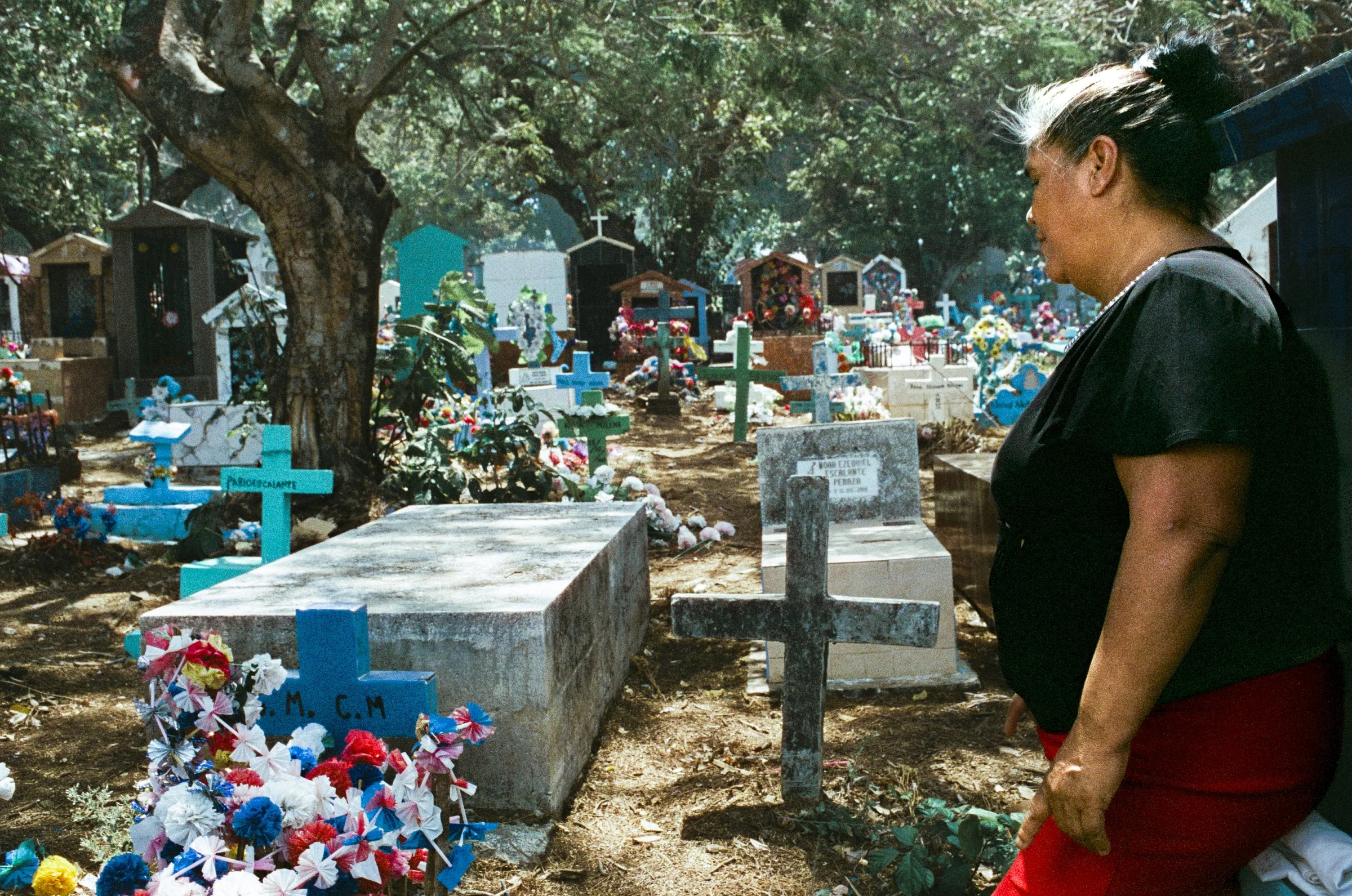
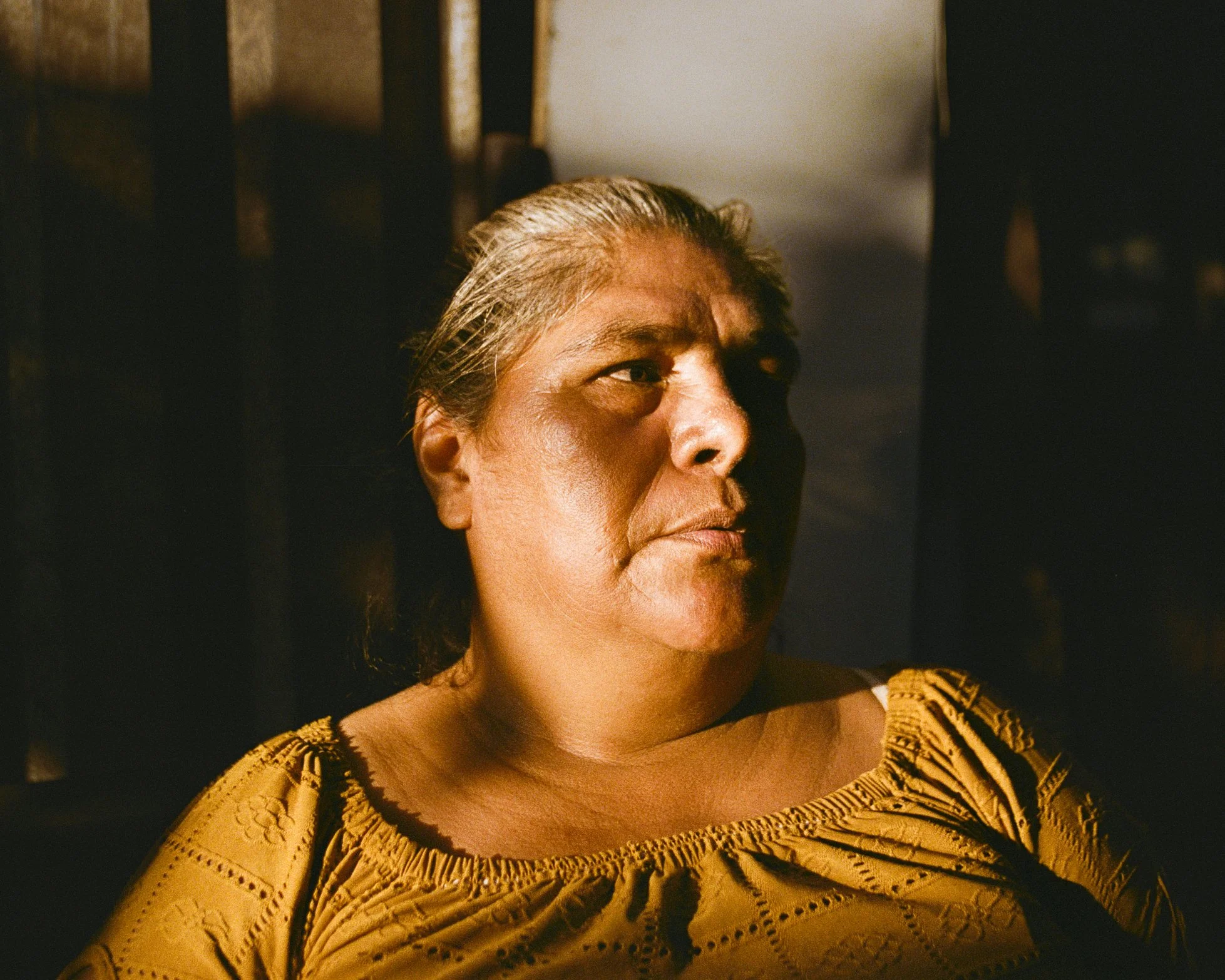
Reyna Aguilar’s life changed when her daughter, Marbely Selena Medina Aguilar, was arbitrarily arrested during El Salvador’s state of exception. At the time of her detention, Selena was taken into custody with her 15-month-old daughter, Génesis Monserrat. Instead of being placed with relatives, the baby remained with her mother in detention.
On May 17, 2023, Génesis died while still under state custody. Selena only learned of her daughter’s death months later, in October 2024. In May 2025, Reyna filed legal complaints demanding an investigation into both her daughter’s arrest and the death of her granddaughter. Authorities have since opened an investigation treating the case as involuntary homicide, examining the role of several institutions involved in the case, including the National Civilian Police, the National Council for Early Childhood and Adolescence, and the Izalco penitentiary farm.
Reyna continues to seek answers while raising Selena’s other child and hoping for the day her daughter might return home.
When I first went to meet Reyna, my car broke down after the long trip to reach her home, several hours away from the capital. At that moment I wasn’t even thinking about work anymore. But the instant I arrived and spoke with her, everything shifted.
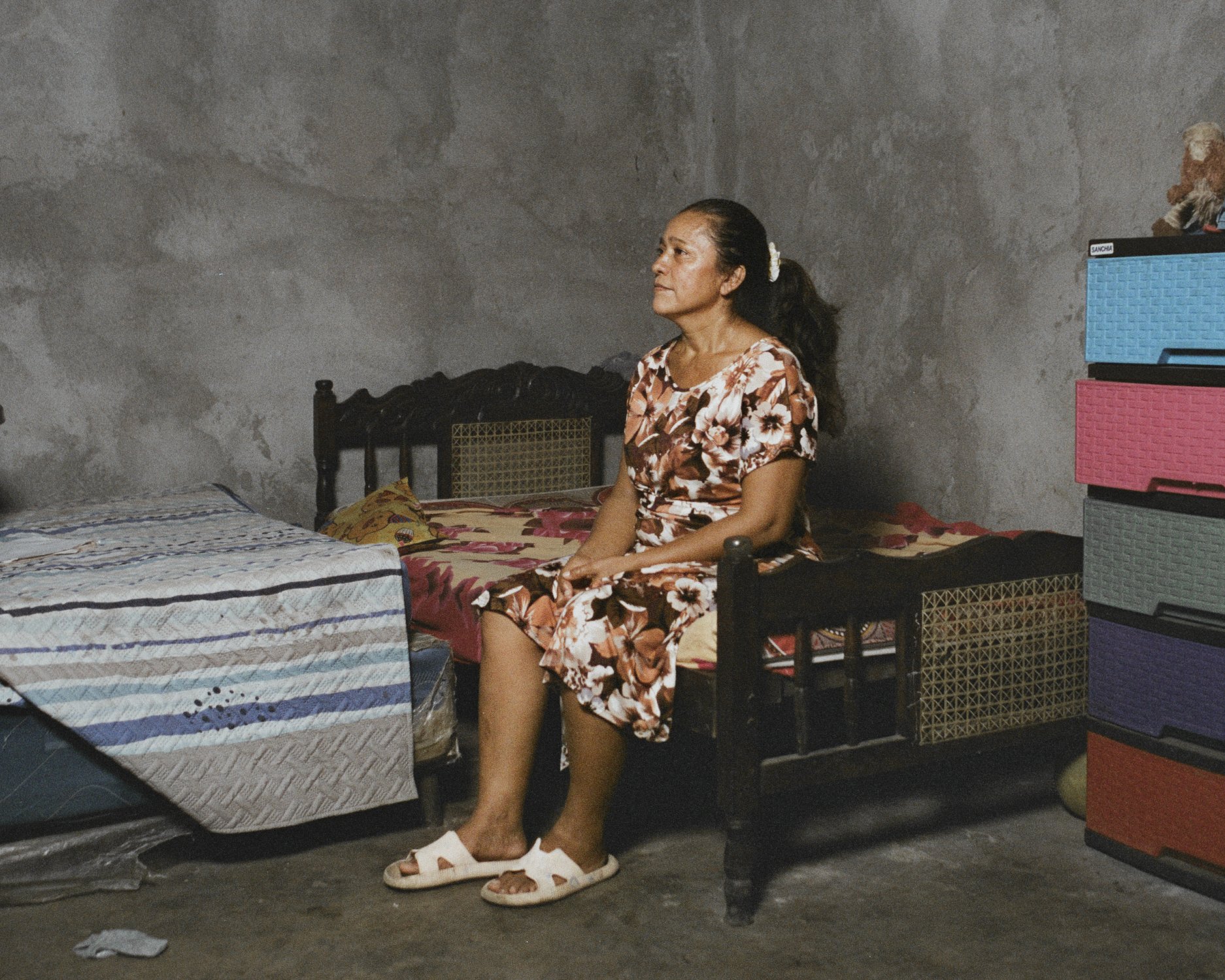
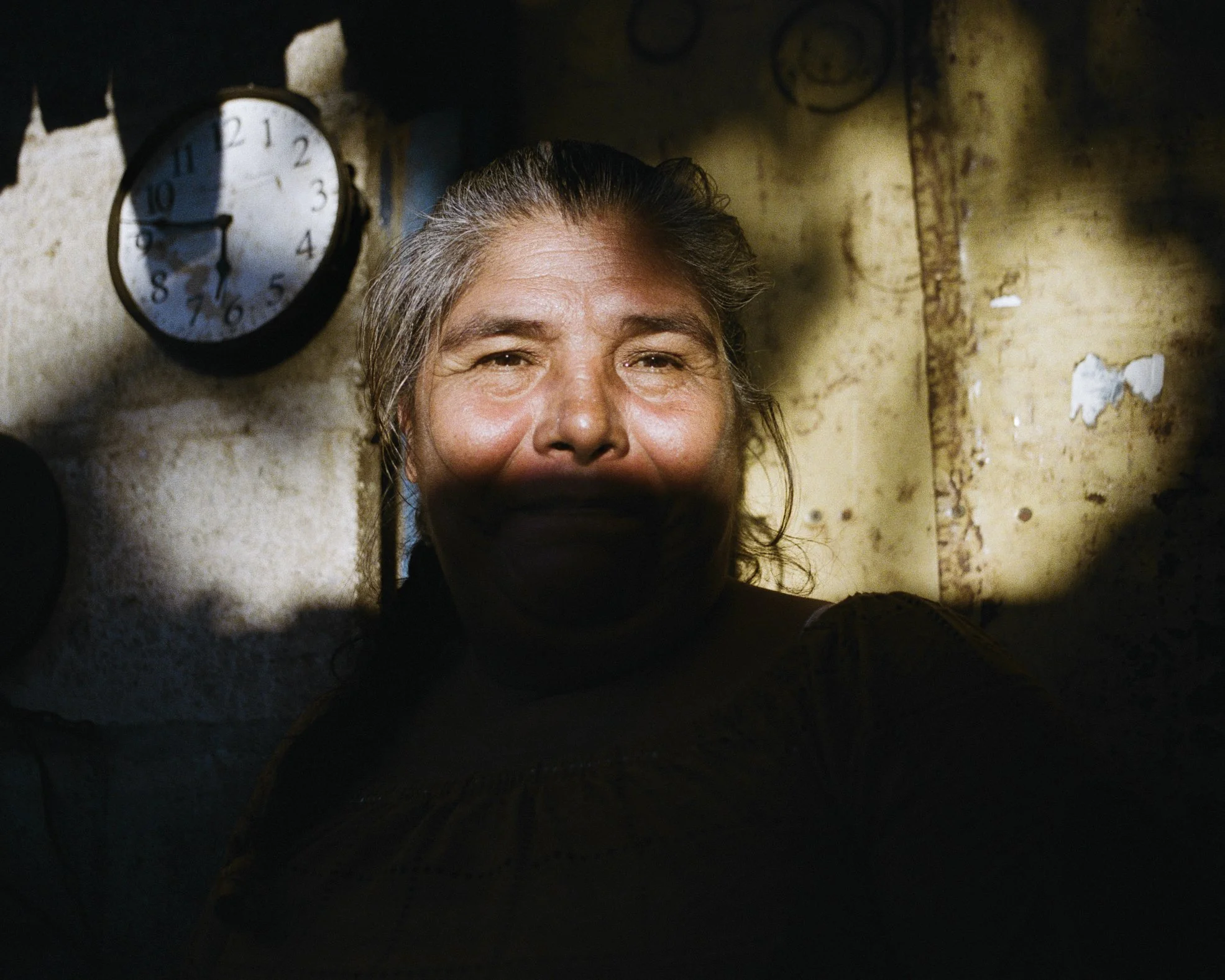
Reyna has a presence that fills the room. Her strength, her warmth, and her energy were immediately striking. It might sound strange to say, but from the first minutes I felt as if she could have been part of my own family, like a grandmother welcoming me into her home.
I decided to return another day to spend more time with her, her husband, and her grandson. Throughout the day she shared many parts of her story with me. One moment in particular stayed with me. When the baby died, she told me that around twenty police officers arrived at her house without authorization and tried to blame her for the death of her granddaughter.
Imagine being accused of something like that as a grandmother.
But Reyna is not someone who steps back easily. She stood her ground. She refused to let the police disrespect her in her own home. She knows her rights, even in a country where those rights often feel fragile. Today she is known by many authorities because she speaks openly and refuses to stay silent.
Meeting someone with that kind of courage was powerful. In a place where fear often shapes everyday life, Reyna was one of the first people I met who spoke without hesitation.
She also shared the reality of raising her grandson with her husband. Since everything happened, she has had to work even more than before just to provide for him. Reyna does everything she can to make sure he has opportunities in life, despite everything the family has endured.
But the weight of trauma is still there. Growing up without his mother, and knowing that his baby sister died under those circumstances, is something no child should have to carry. Reyna told me that since the incident he has begun to lose parts of his memory. The trauma speaks for itself.
Medical care and psychological support are difficult for them to afford. Reyna herself is also dealing with health problems. More than anything, she hopes she will be strong enough to continue taking care of him until the day her daughter returns.
It is a reality that is difficult to face, even for those who witness it from the outside.
-
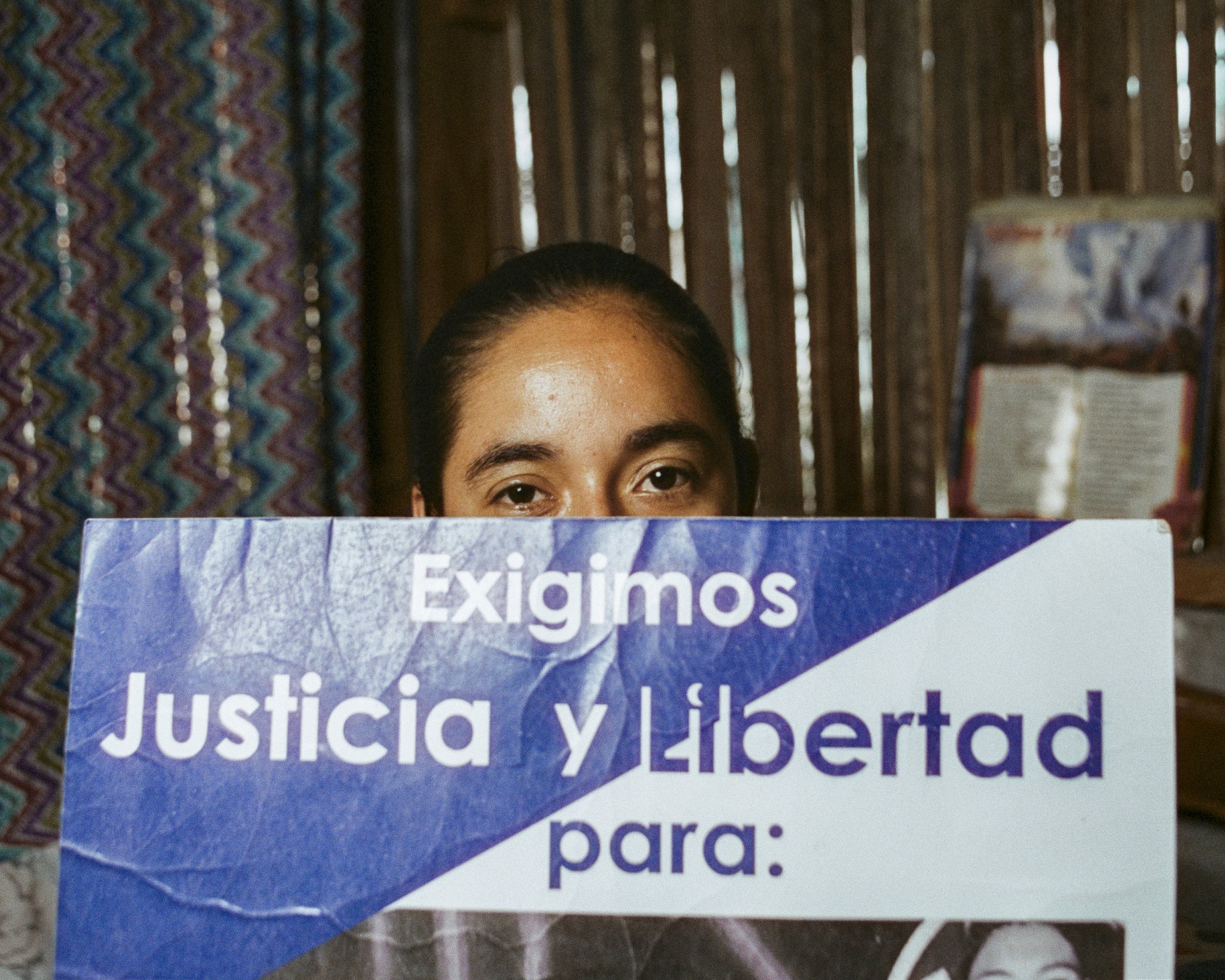
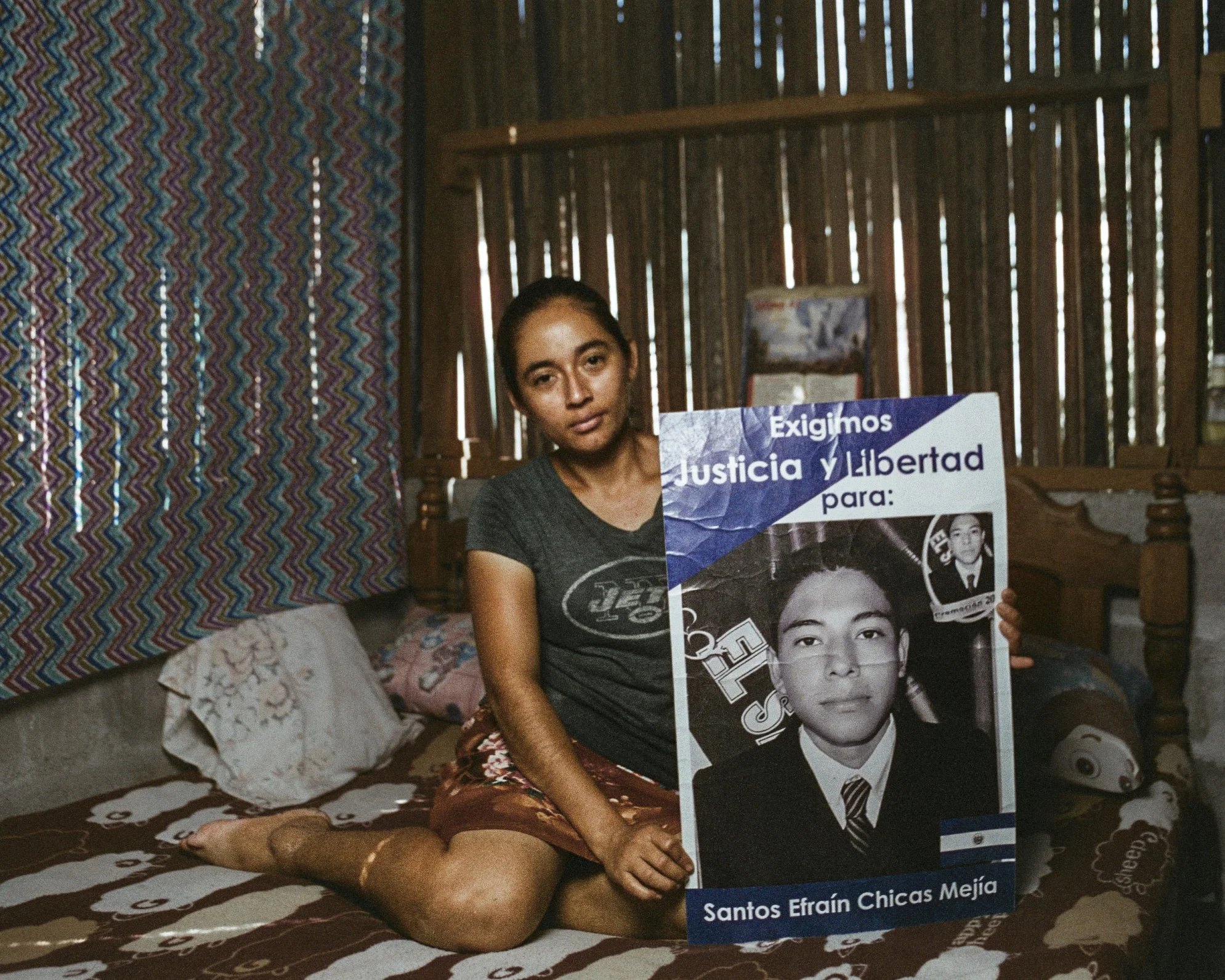
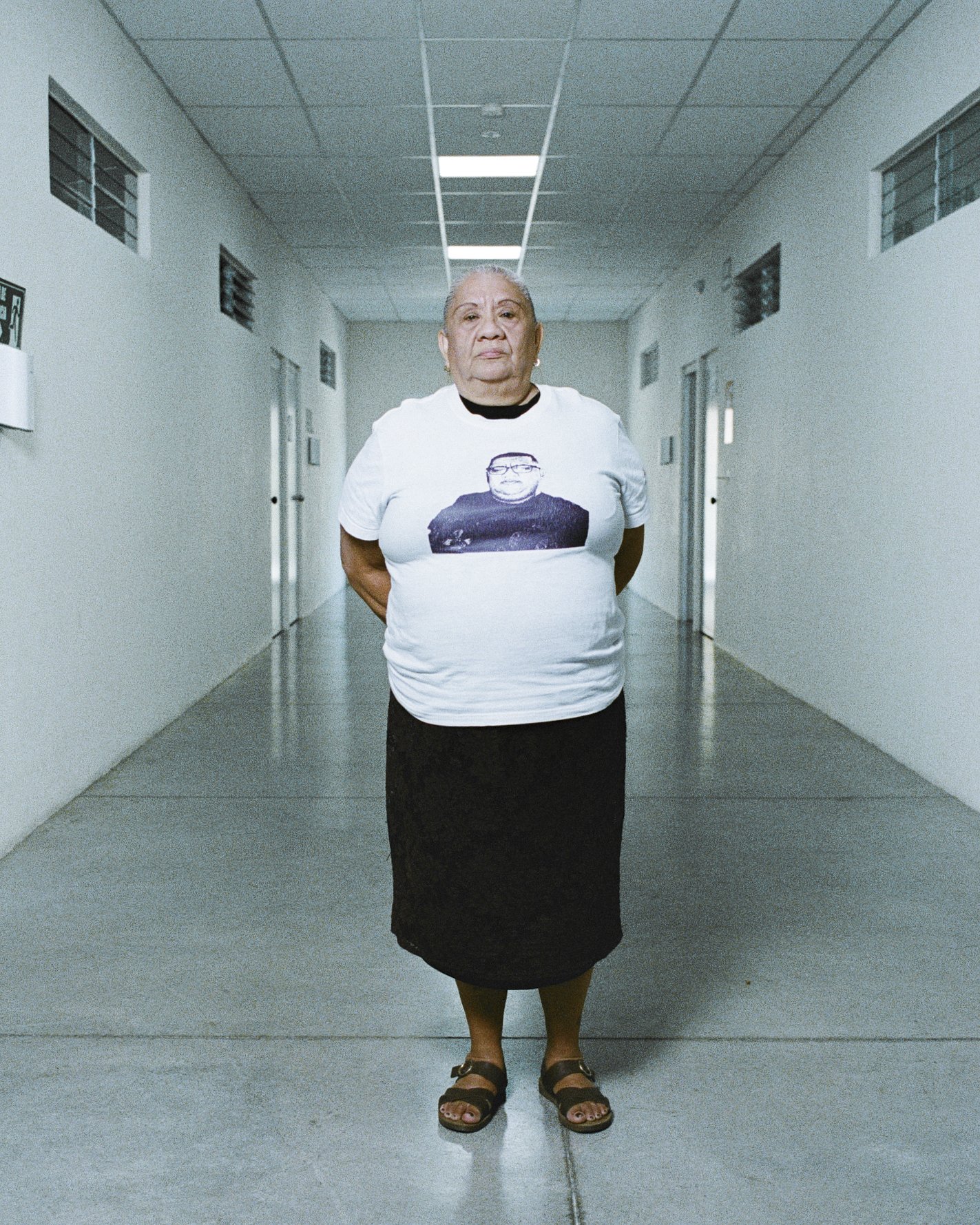
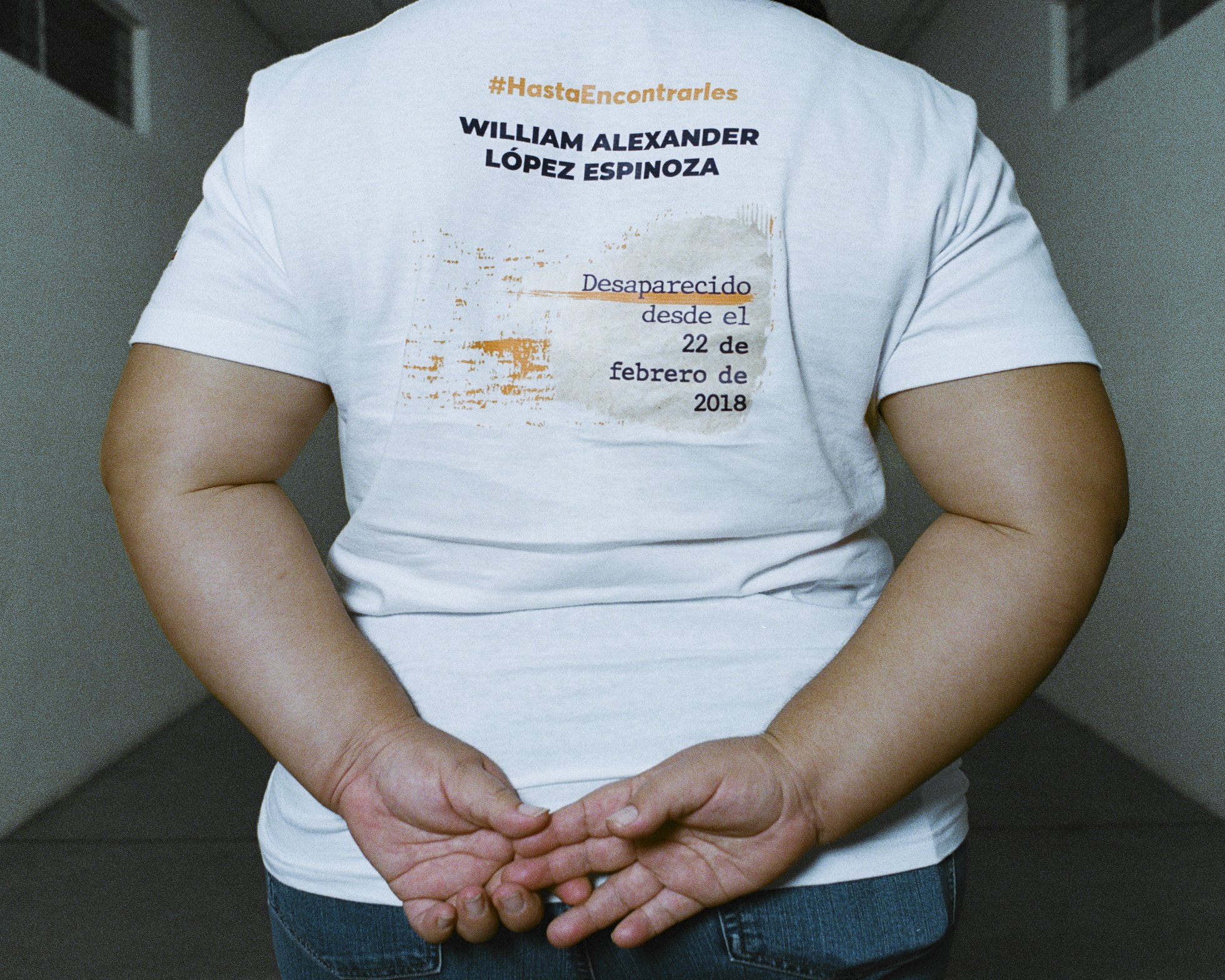
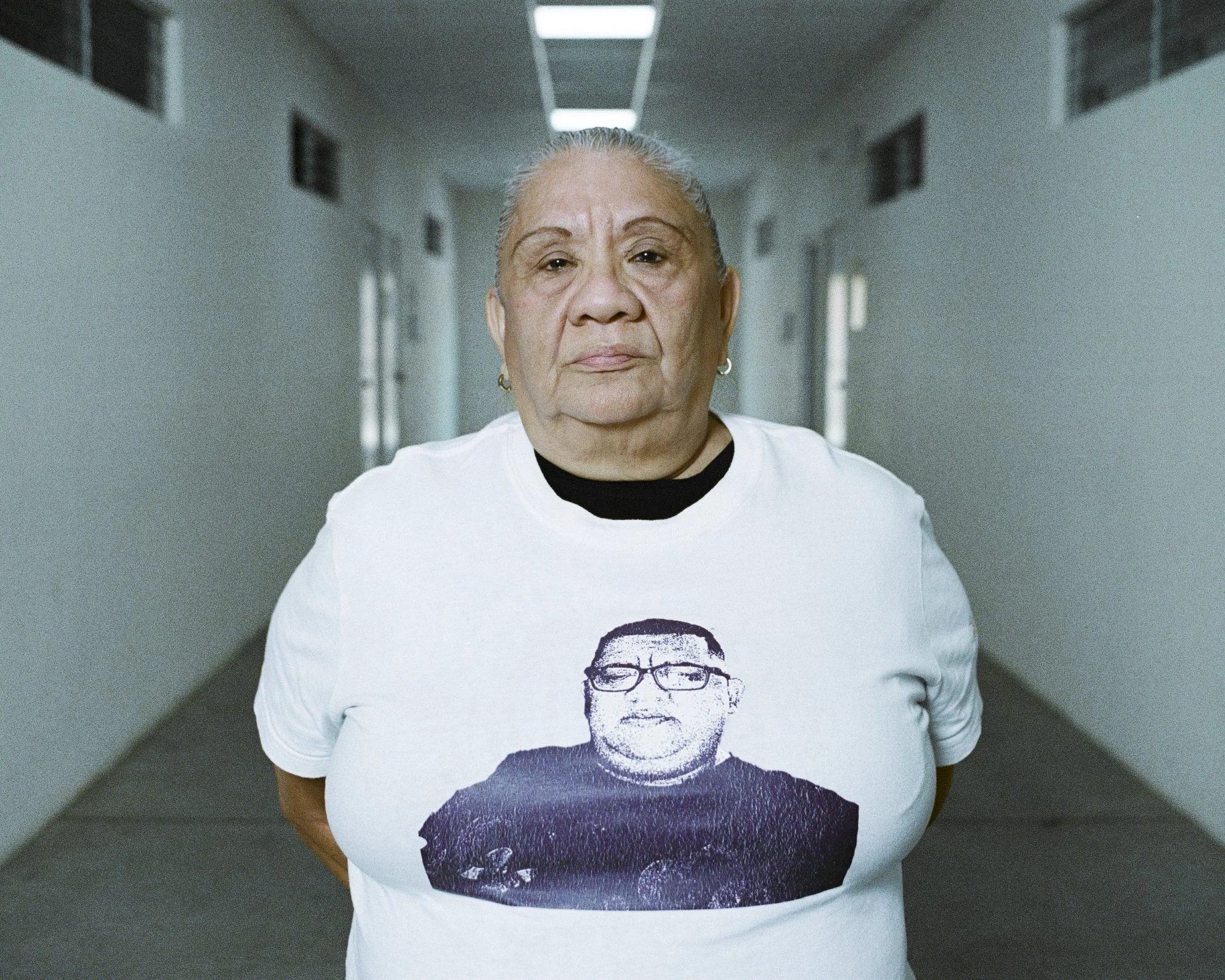
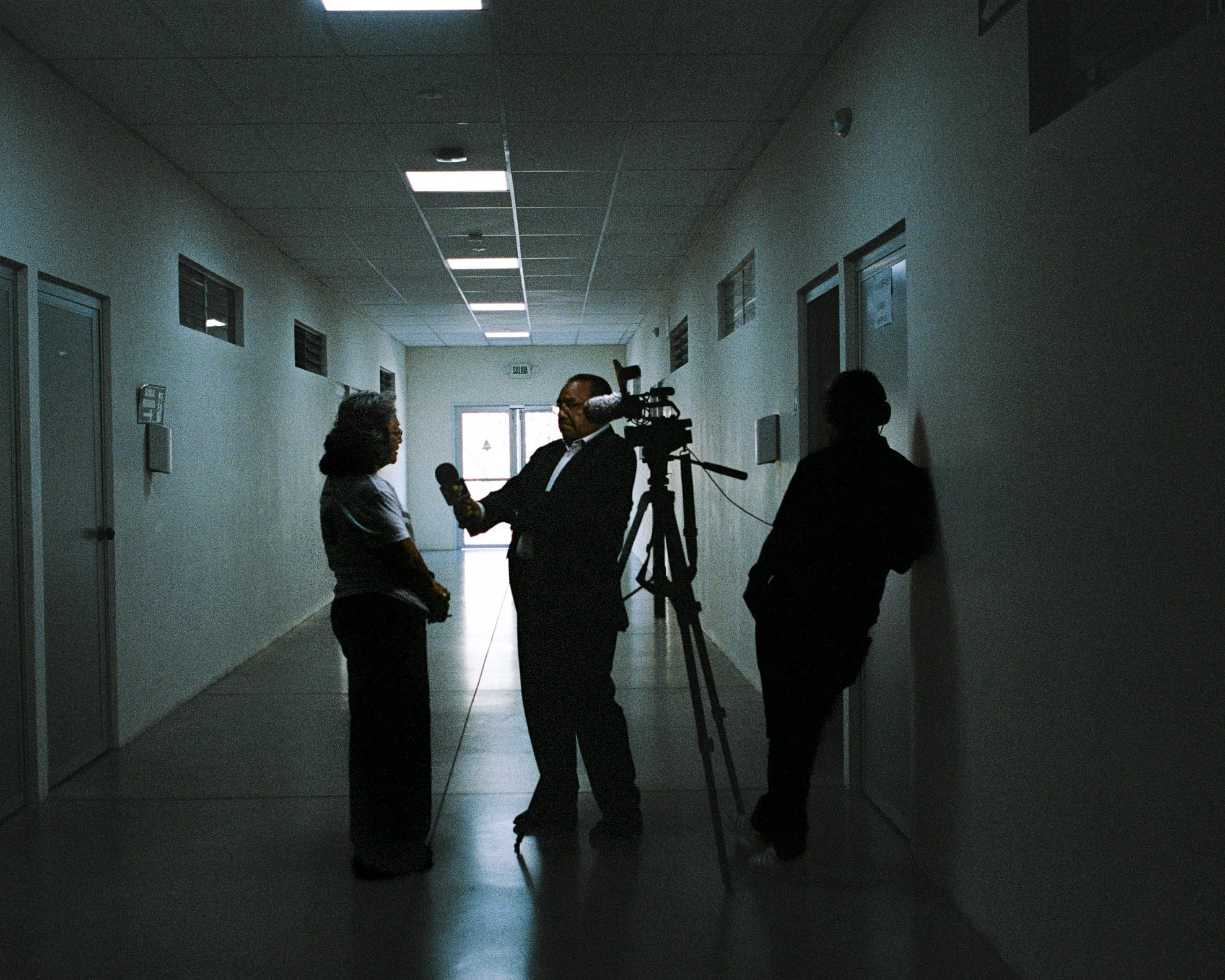
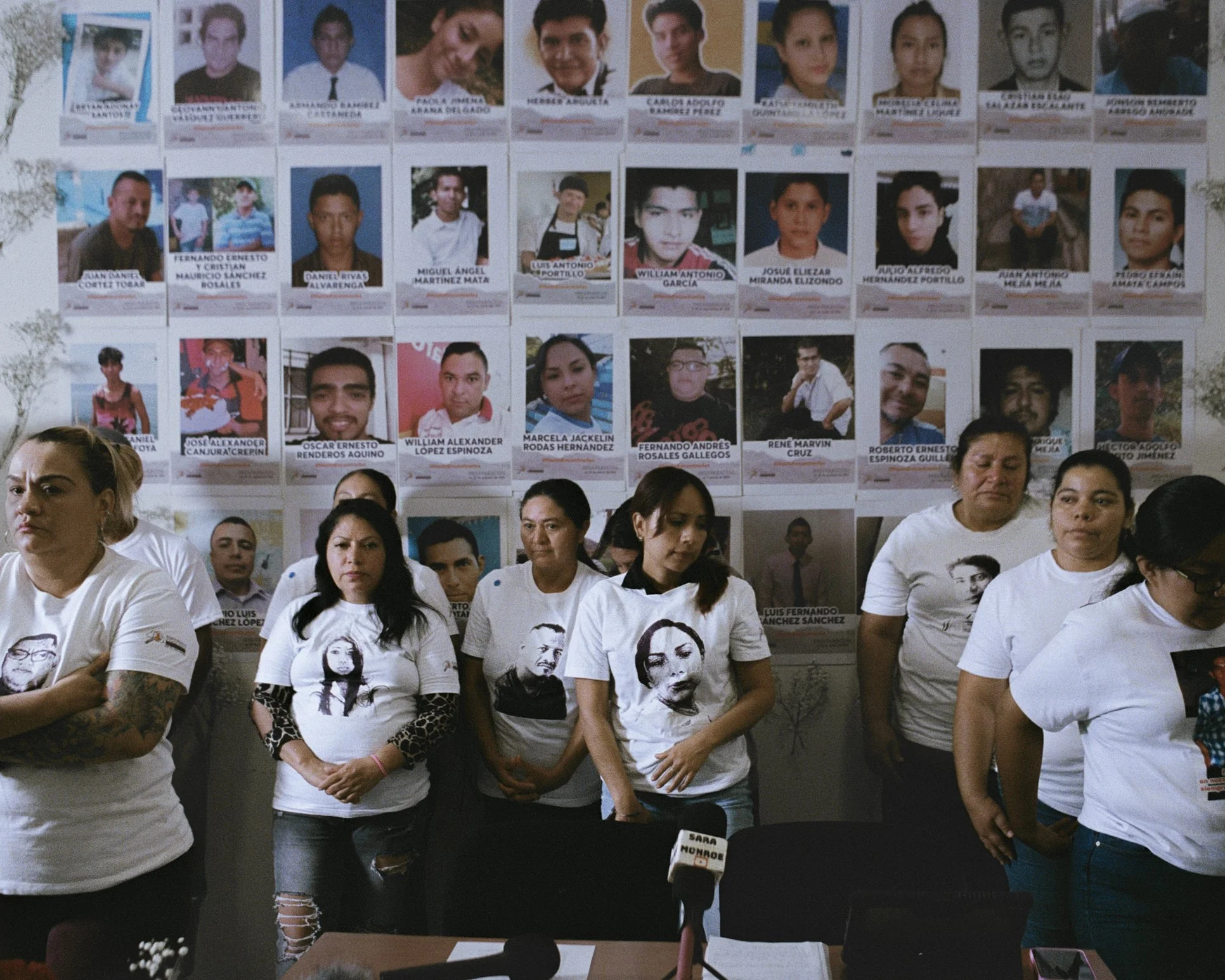
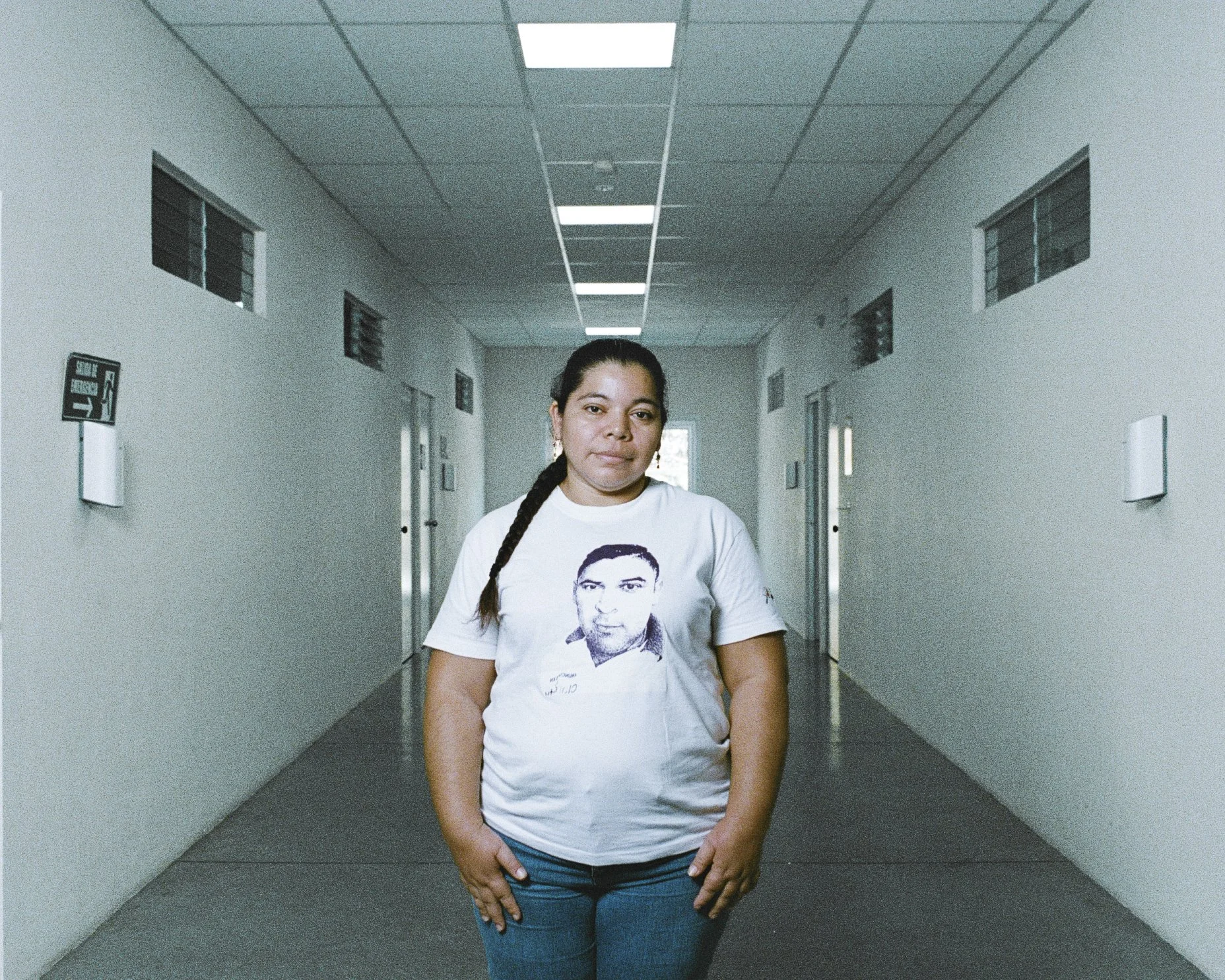
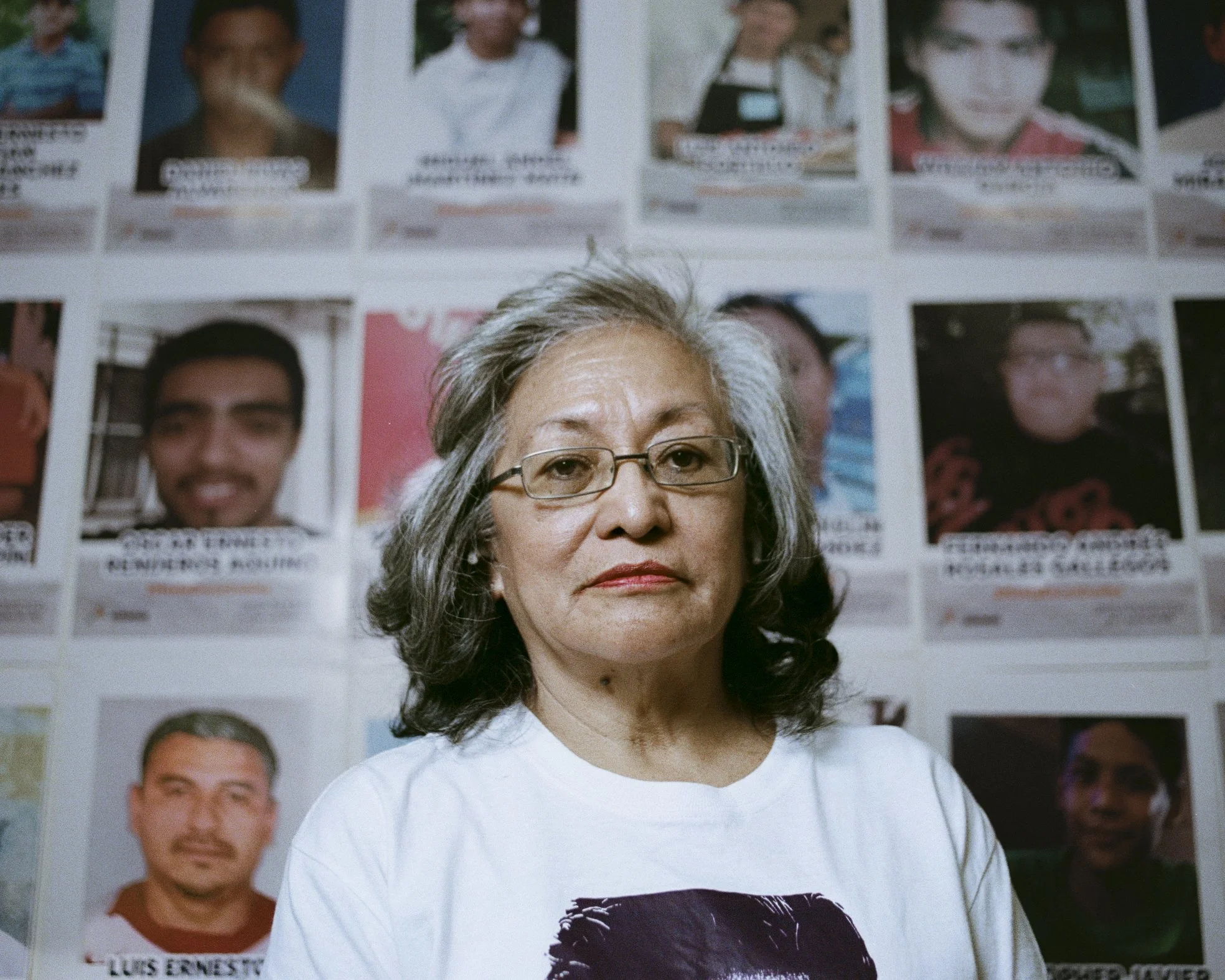
The Bloque de Búsqueda de Personas Desaparecidas emerged in 2022 as a collective response to the growing number of disappearances in El Salvador and the limited institutional response faced by families searching for their loved ones. Formed largely by mothers and relatives of the missing, the group has become a space of resistance, support, and collective action.
For many of these women, the search began when official channels provided few answers. Over time, they organized themselves to share legal resources, psychological support, and strategies to continue looking for those who vanished. Their work often takes place directly in communities, through the distribution of missing-person posters, the circulation of alerts on social media, and the coordination of search efforts across the country.
Despite these efforts, most cases remain unresolved. Families continue to denounce the lack of transparency surrounding disappearances and the limited access to official information. Since 2022, key data related to disappearances, clandestine graves, and other forms of criminal activity has remained classified, preventing families from obtaining information that could help advance investigations.
For the women of the Bloque, the search has become a permanent part of daily life. Beyond demanding answers from institutions, they continue to build networks of solidarity and remembrance, determined to keep the names and stories of the disappeared from fading into silence.